For anyone looking to enhance their letter formation, using structured writing templates can provide significant improvements. These resources are designed to help students and adults refine their penmanship by focusing on letter shape, alignment, and consistency. Consistently practicing with the right kind of material can lead to noticeable progress in a short period.
Choosing the Right Type of Writing Templates
When selecting exercises, ensure the materials are well-suited to the individual’s current writing level. For younger children or beginners, look for templates that include both capital and lowercase letters along with traceable examples. For adults or those refining their skills, choose templates that focus on fluid writing with fewer guidelines. This will help in gaining speed while maintaining legibility.
How to Maximize the Benefit of Writing Exercises
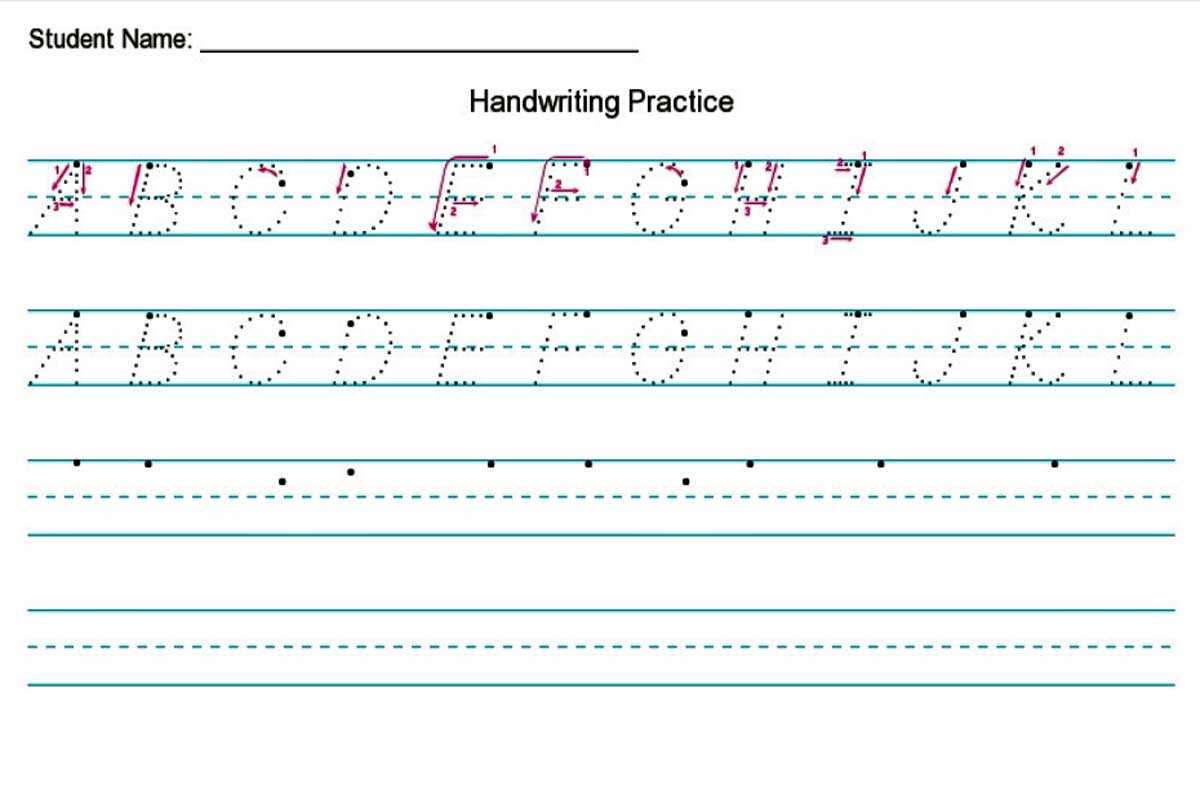
To get the most out of writing exercises, it’s important to follow a structured routine. Start by focusing on one letter at a time to master proper strokes before moving on to the next. Use practice sheets that are divided into sections, allowing you to work through both the letters and words progressively. Be sure to repeat each exercise several times to ensure muscle memory is developed.
Take breaks between writing sessions to avoid fatigue. Writing should be done in short, focused intervals. In addition, incorporating some form of feedback–whether self-assessment or teacher input–can help identify areas that require more focus. Tracking progress is also a useful way to stay motivated and ensure steady improvement.
For children, consider turning these exercises into a fun activity by allowing them to color or decorate the templates after completing their work. This not only motivates them to practice more but also makes the process enjoyable. As their confidence builds, the improvement in their writing will naturally follow.
Lastly, don’t forget that consistency is key. Set a daily or weekly writing goal and stick to it. Over time, this will lead to the development of clear, neat, and fluid writing skills.
Improving Penmanship with Structured Writing Materials
To enhance letter formation, choose structured documents that offer clear guidance on stroke order and spacing. These resources should provide enough space for practicing each character multiple times. Start with simple exercises focusing on individual letters, then progress to words and sentences as confidence increases. This gradual progression allows learners to build muscle memory effectively.
It’s helpful to use guides that show both uppercase and lowercase forms. Begin with the easier letters and work towards more complex ones. Consistency is key to improvement, so it’s important to repeat each exercise several times until it feels natural.
For more advanced learners, switch to exercises that challenge speed and fluidity. Templates that include cursive or connected writing styles can improve the flow of the writing and lead to more legible results. Practicing with these types of exercises helps to build quicker, smoother strokes, contributing to better writing speed and precision.
For younger students or those just starting, add fun activities such as tracing pictures or coloring in parts of the worksheet. This can increase engagement and make the practice more enjoyable while still focusing on accuracy and form.