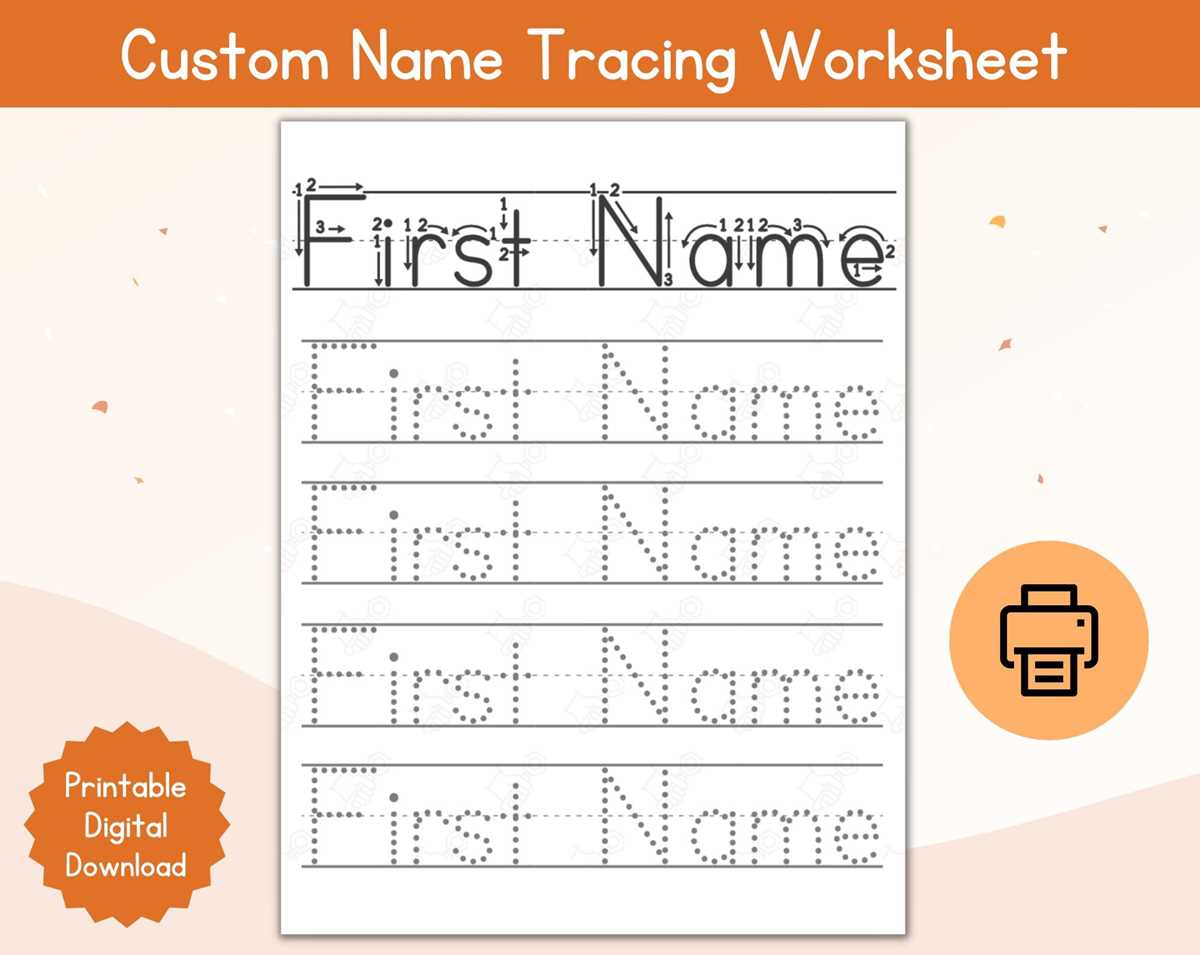
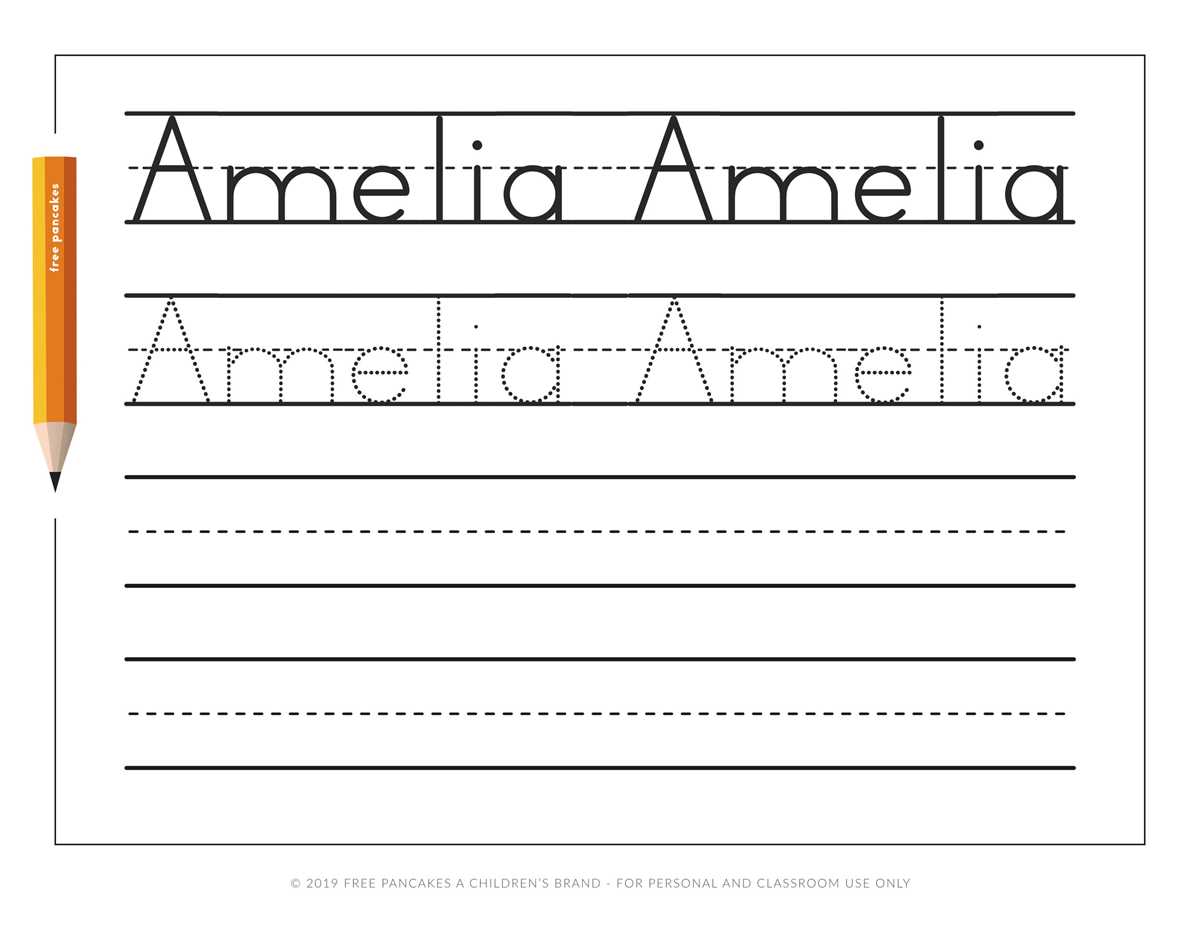
To help young children improve their writing skills, start with templates that guide them in forming individual letters. These resources can be easily accessed and used at home or in a classroom setting. Simply download and print the appropriate sheet, and you’re ready to go. The design of the templates usually includes dotted lines that children can follow, offering clear, visual instruction for proper letter formation.
Where to Find Quality Templates for Writing Practice
There are several websites that offer high-quality resources for improving handwriting. Some platforms offer free downloads with various fonts and styles, making it easier to tailor the activity to the child’s needs. Popular sites include educational hubs like Crayola, Teachers Pay Teachers, or websites specializing in early childhood development activities. Always check for downloadable files that fit your printer’s capacity and that will be clear when printed in different sizes.
Recommended Websites:
- Crayola: Offers a variety of fun, themed practice templates for young writers.
- Activity Village: Features simple, step-by-step guides for handwriting improvement.
- Education.com: Provides a broad selection of writing exercises for all skill levels.
How to Make the Most of These Templates
Once you have the templates, make sure the child has the right tools to practice. Using high-quality markers or pencils can make the activity more engaging and help produce clear writing. Set aside a consistent time each day for handwriting practice to build muscle memory and reinforce good habits. Encourage kids to take their time and focus on forming each letter properly before moving on to the next.
For added fun, integrate the writing exercises into other activities. For instance, let children decorate their work once they’ve completed it, turning a learning activity into a creative one. You can also mix in related games, such as letter recognition or spelling exercises, to create a well-rounded learning experience.
How to Improve Handwriting with Personalized Letter Practice
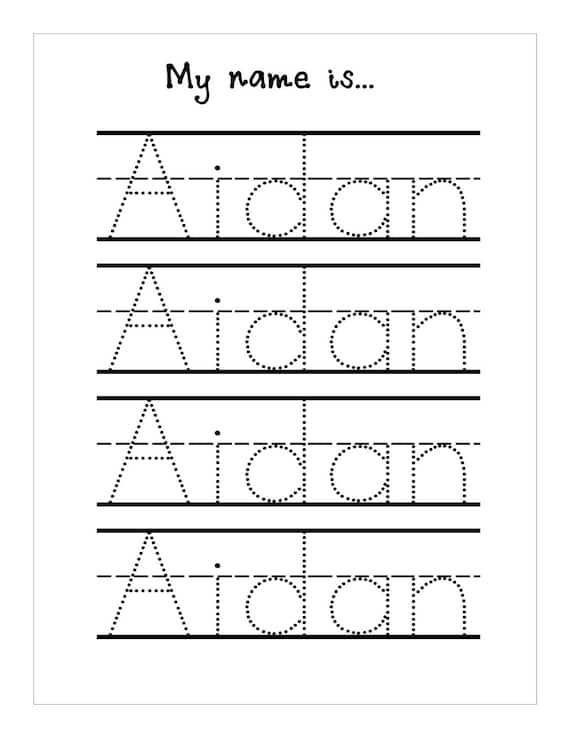
To help children master writing, start by providing them with templates that focus on their own name. This method creates an engaging learning experience, making the process more meaningful and fun. Simply print out sheets with dotted lines representing each letter, and encourage them to follow the path. This not only reinforces letter shapes but also builds muscle memory as they practice repeatedly.
Choose templates with clear, easy-to-read fonts. Sans-serif letters or simple script fonts are great for early learners because they avoid excessive flourishes and maintain clarity. Additionally, select files that offer a large size for each character. This helps young learners gain better control over their movements when forming each letter.
Ensure that the worksheets are available in both uppercase and lowercase letters. This helps the learner become familiar with both styles, which is important for building confidence in writing full names. Offering a mix of both allows for gradual progression without overwhelming them with too much complexity at once.
For younger children, it may be helpful to start with just the first letter of their name. This builds familiarity and helps them focus on forming one letter at a time. Once they feel comfortable with the first letter, gradually add the rest of their name, allowing them to build on their progress step-by-step.
Additionally, use a variety of tools to keep them engaged. Colored pencils or markers are perfect for adding creativity to the activity. Let them choose the colors, which will keep their interest high while practicing writing. A creative approach also reinforces the connection between writing and fun, making the activity less of a chore.
As children progress, challenge them with more complex tasks, such as writing their name without the dotted guide. Encourage them to practice regularly, perhaps by incorporating name-writing into everyday activities like signing greeting cards or labeling their belongings. This repetition, in both structured exercises and practical use, will strengthen their skills over time.