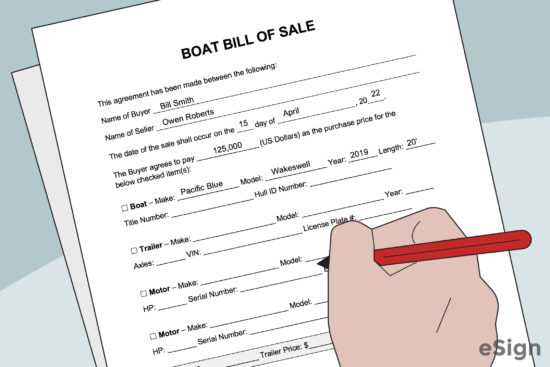
If you are preparing to sell a vehicle or large equipment, one of the most important documents you will need is a transfer agreement. This written contract will protect both the buyer and seller by outlining the terms of the transaction, including ownership transfer, payment, and condition of the item. Here’s how to create a transfer document that works for both parties.
Steps to Draft a Valid Transfer Agreement
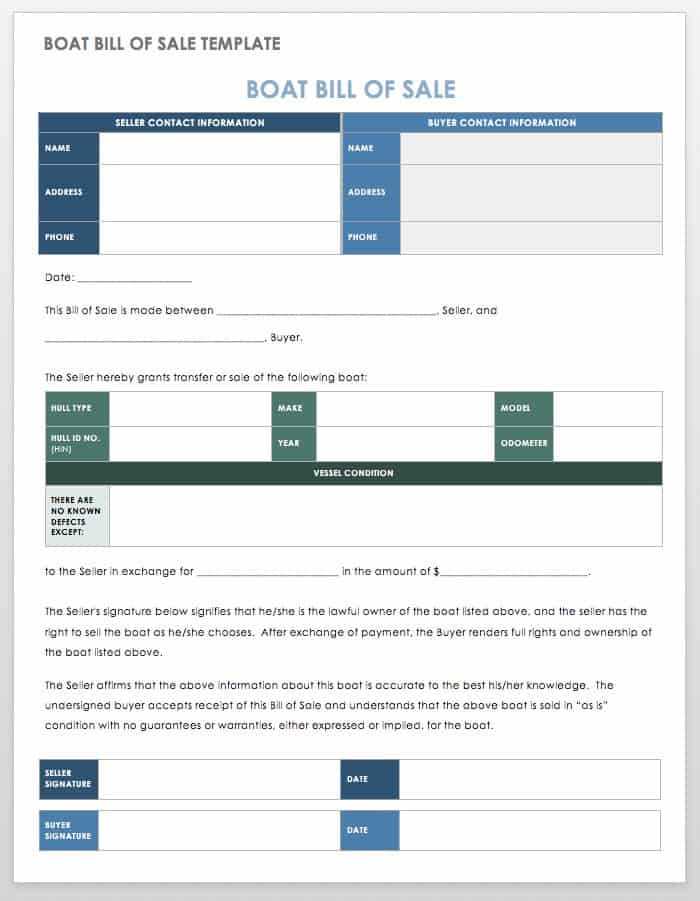
Begin by gathering the necessary information about the item being sold. This includes the make, model, year, VIN (vehicle identification number), and any other relevant details. Both the buyer and the seller should be listed clearly in the document, including full legal names and addresses.
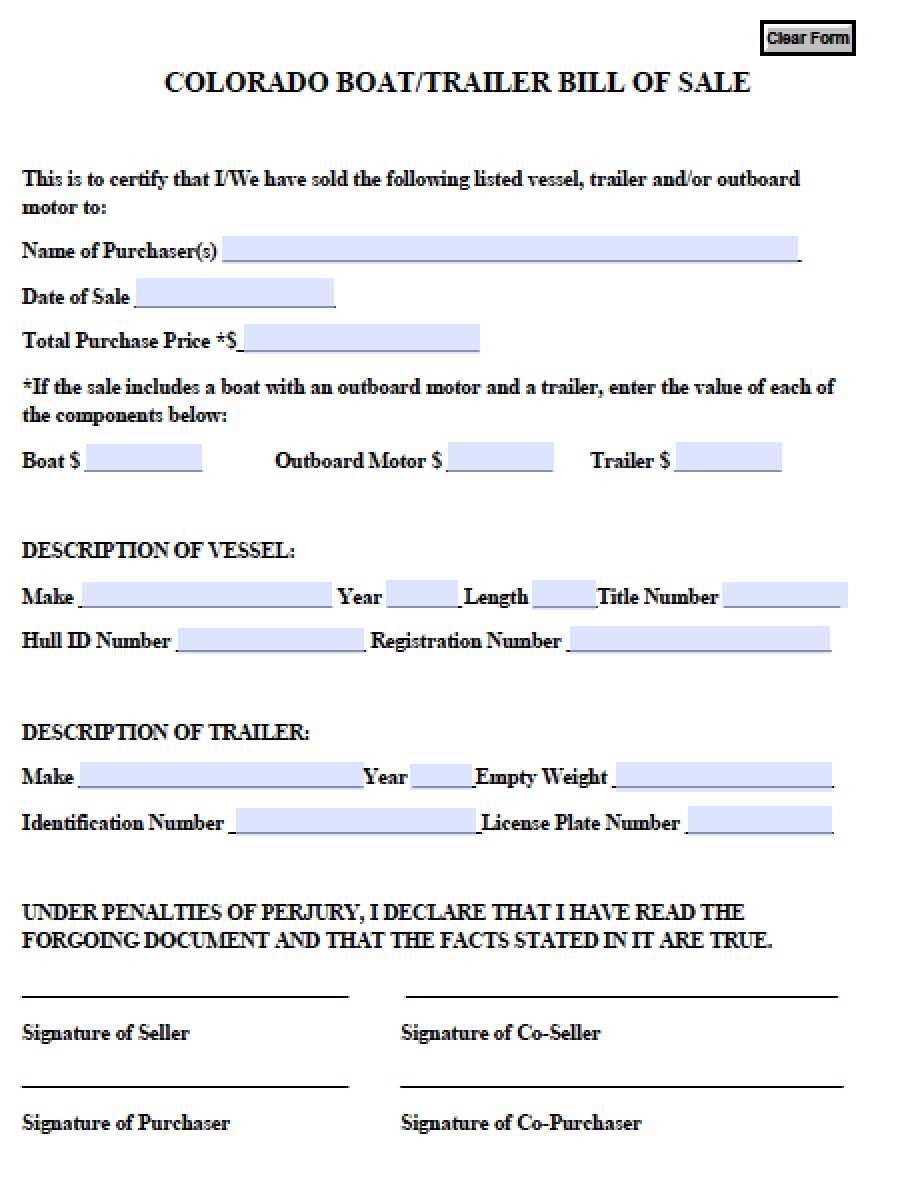
- Include a section describing the condition of the item at the time of the sale, detailing any known defects or issues.
- Specify the total price agreed upon by both parties, along with the payment method (e.g., cash, bank transfer).
- Indicate if the transfer is conditional (e.g., pending inspection or other requirements).
Next, ensure that both parties understand their responsibilities regarding registration or title transfer. Specify who is responsible for completing any necessary paperwork with the local motor vehicle department or equivalent authority.
How to Finalize and Use the Document
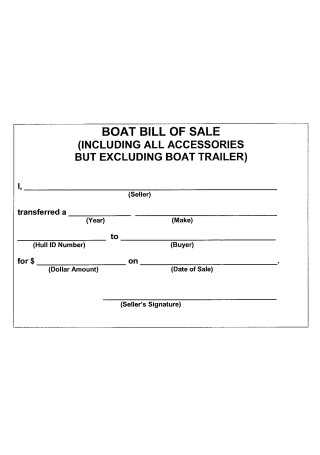
Once the transfer document is completed, both parties should sign the agreement. It’s advisable to have the signatures witnessed, either by a notary public or a third party. This can prevent disputes in case of any future misunderstandings regarding the transaction.
Once signed, make copies of the agreement for both the buyer and the seller. The buyer should use their copy to finalize registration with the relevant authorities, while the seller should retain their copy for their records.
After the sale is complete, follow up to ensure all paperwork is processed correctly, such as title and ownership transfer, to avoid any future liabilities. This small step can save you significant trouble down the road.
Guide to Creating a Transfer Document for Watercraft and Equipment
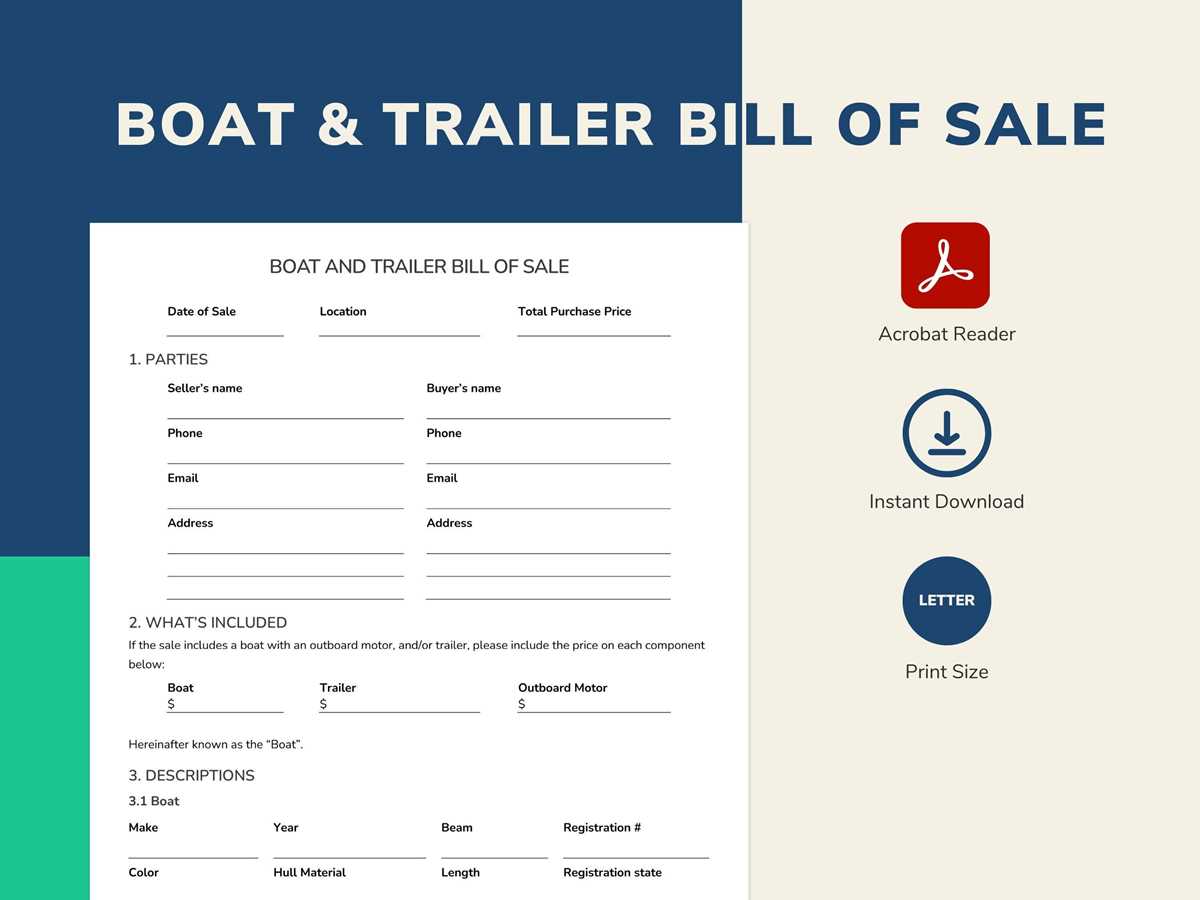
To ensure a smooth transfer of ownership for watercraft and its attached equipment, a formal written contract is necessary. This document serves as a legal record confirming the transaction between buyer and seller, protecting both parties from potential disputes.
Start by specifying key details such as the exact make, model, year, and identification numbers of the items involved. It’s important to include serial numbers and any relevant identifiers to avoid future confusion.
Next, include a section about the condition of the items. Describe any known defects, damages, or areas of concern. If applicable, indicate whether the items were inspected before the transaction. The more detailed the description, the better protected both parties will be.
Another important detail is the sale price and payment terms. Clearly state the agreed-upon price for each item and how payment will be made (cash, bank transfer, etc.). Specify any deposits made and whether the full balance is due immediately or at a later date.
Include a clause on the responsibilities of each party, particularly around the transfer of ownership. For example, who is responsible for registration with the appropriate authorities and the costs associated with transferring title or ownership?
Once the document is completed, both the buyer and seller must sign it. It’s highly recommended to have a witness or notary present to sign as well, providing extra legitimacy to the contract. Both parties should keep a signed copy for their records.
After the transaction is finalized, follow up to ensure all registration and title transfers are processed properly. This is an important step to prevent any future legal or financial issues for either party.
Using a template for this document can save time and ensure you don’t overlook any crucial information. Templates can be customized to meet the specific needs of your transaction, ensuring both parties have clear terms and protection under the law.