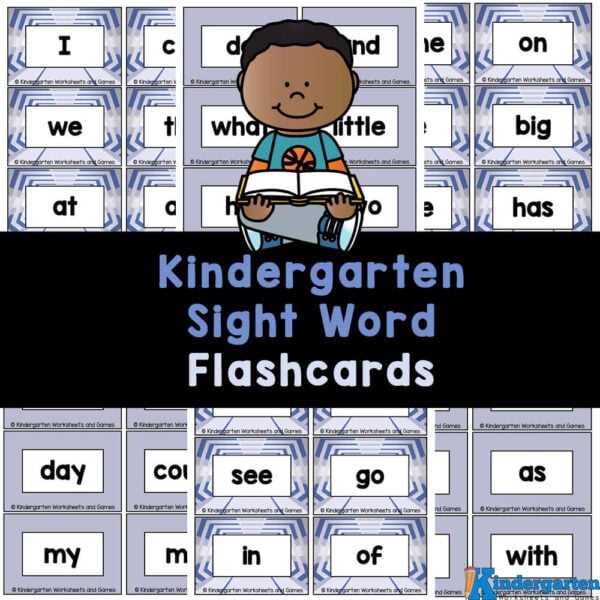
Start by selecting the right set of resources for teaching young children. Use templates from trusted websites that allow you to adjust the content to meet your child’s level. Customizable designs are the best choice, as they enable you to incorporate specific themes or images that resonate with the learner, making the activity more engaging.
Downloading and Customizing Templates
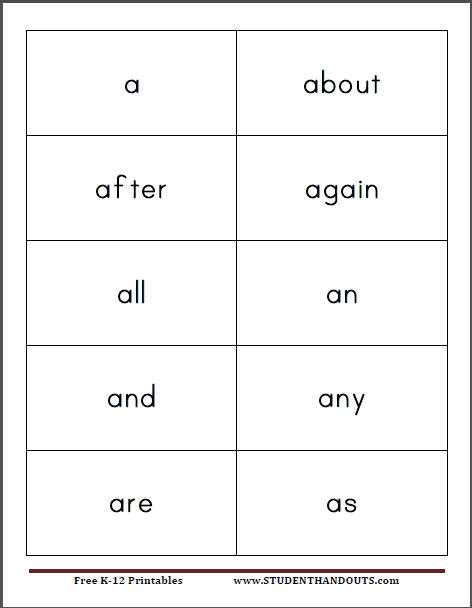
Look for online platforms that offer downloadable resources. Some websites allow you to change the font, colors, and even add fun illustrations. This flexibility ensures that the flashcards match the teaching style and learning preferences of your child. For example, if your child enjoys animals, you can include cute animal pictures alongside the reading material.
Once downloaded, open the templates in a word processor or graphic design tool. Ensure the text size is large enough to be easily readable, especially for younger children. Customize the background color to provide a visual contrast that enhances clarity, and pick a playful, yet legible font to maintain interest without compromising readability.
How to Effectively Use Them at Home
To maximize learning, start with a small set of cards. Introduce a few words at a time and repeat them regularly. Keep the sessions short to maintain the child’s attention span, but make them interactive. Pointing to images or using actions related to the word can help reinforce meaning and make the learning process fun.
You can use the cards in a variety of ways to keep the activity fresh. Lay out the cards and ask the child to match the word with its corresponding picture. Alternatively, you can shuffle the cards and ask them to recall specific words or form simple sentences using the cards. Mixing in games and challenges will keep the child motivated to keep learning.
Another way to engage children is by turning the flashcards into a “memory game.” Place the cards face down and take turns flipping them over. As each card is revealed, the child must say the word out loud. This adds an element of fun and helps improve their memory retention as well.
Creating Additional Learning Opportunities
Once your child becomes familiar with the basic set, expand the activity by introducing new words or incorporating more complex vocabulary. You can also introduce spelling exercises using the same set of cards to help improve both reading and writing skills.
Finally, involve your child in the creation of the flashcards. Let them pick out the images or even draw some of their own. This added responsibility boosts confidence and deepens their connection with the learning process.
How to Make Custom Learning Cards for Early Readers
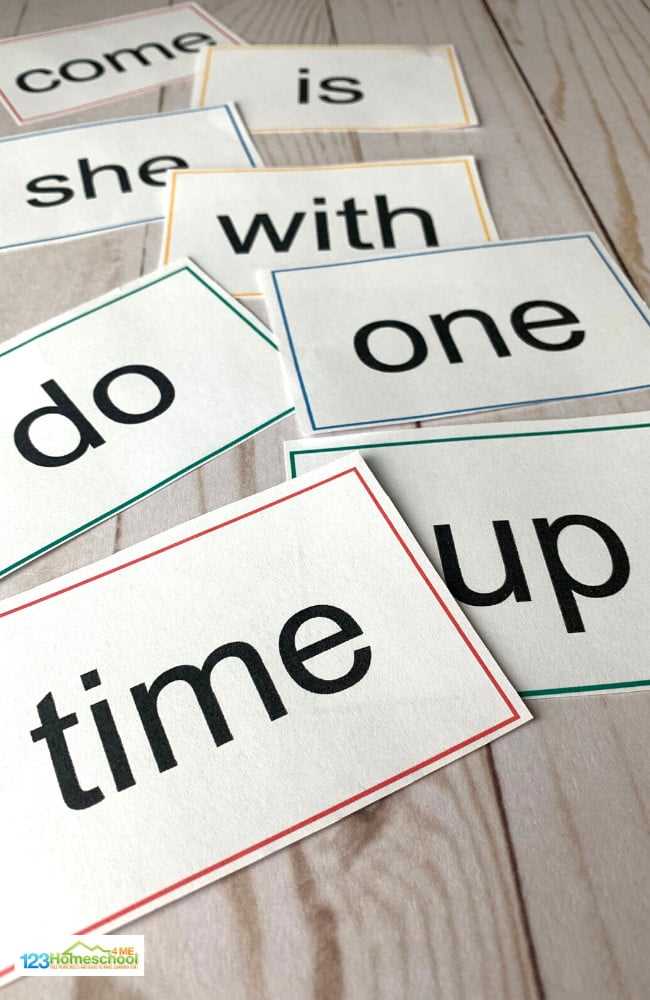
Search for resources that offer editable templates to create customized educational tools. By adjusting the design, you can incorporate your child’s favorite themes or add relevant images to engage their interest. Use high-contrast colors and large fonts to make the text clear and accessible for young learners. Printing these templates on sturdy paper or cardstock will ensure durability for repeated use.
To use these tools effectively, start with a small set of materials to avoid overwhelming the child. Introduce a few items at a time, reviewing them regularly in short, interactive sessions. You can also mix in games, such as matching the written item with its image, to add a fun challenge and improve retention. Regular repetition in a relaxed, engaging way will gradually build their recognition and understanding.