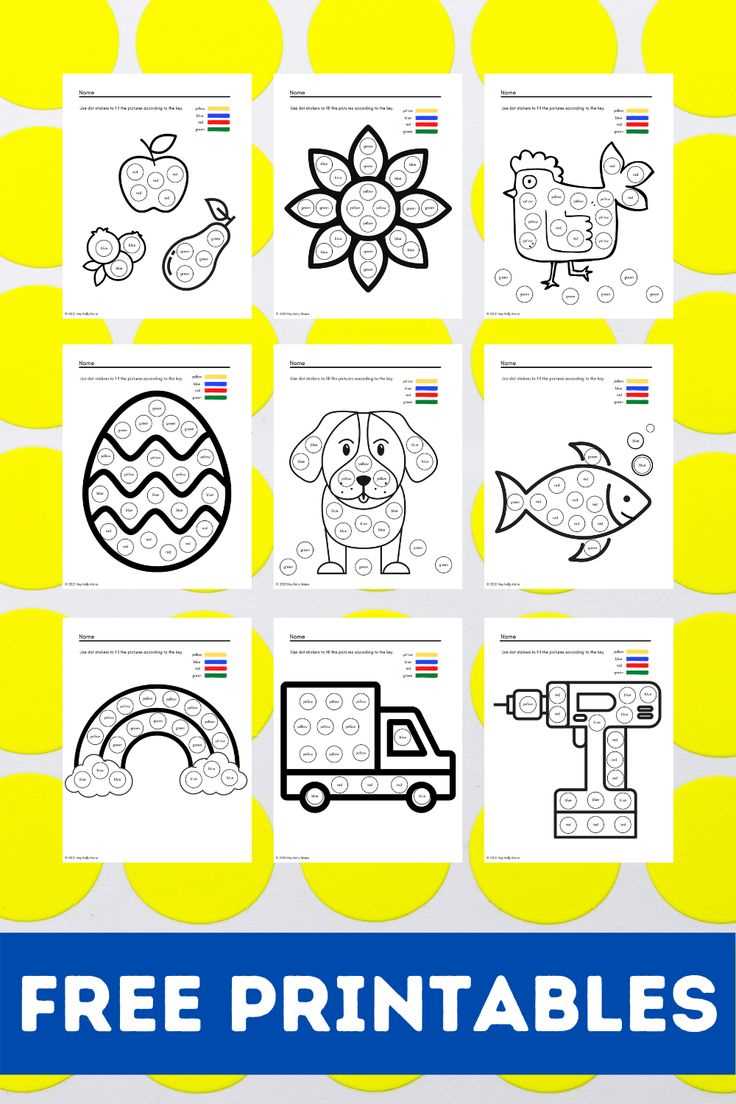
How to Use Circular Labels for Kids’ Craft Activities
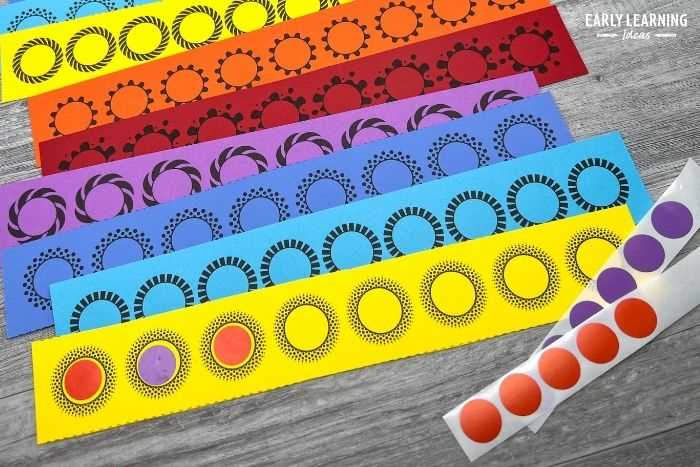
For young children, using vibrant circular labels can be a fun and easy way to introduce them to art and shapes. Print a variety of different colored circles and encourage them to use the stickers to create their own patterns or designs. This activity is great for fine motor skills development and creativity. You can even combine it with a lesson on colors or patterns, teaching kids to recognize primary and secondary colors as they work.
How to Incorporate These Labels into Educational Games
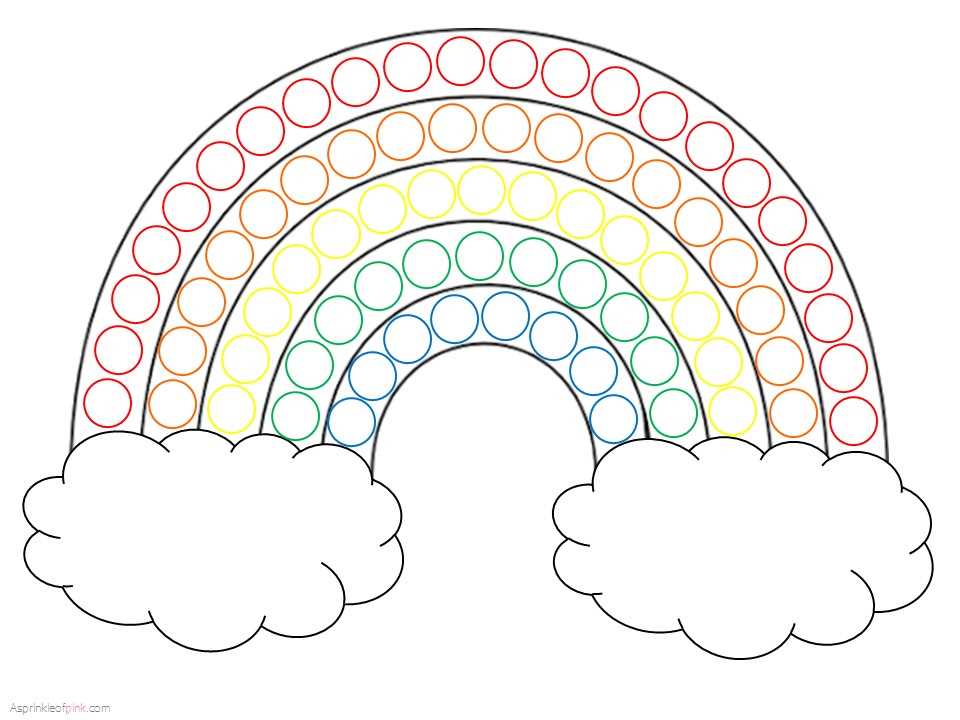
Aside from arts and crafts, these labels can also serve as a useful tool for learning activities. For example, create a matching game where children have to match stickers with the same color, shape, or size. This helps in improving their cognitive skills and understanding of basic concepts like grouping and sorting. You can also use the labels to create counting games or teach addition and subtraction by adding or removing stickers from a designated area.
Printing and Organizing for Various Projects
To get the best results when printing circular labels, choose high-quality paper that can handle adhesive backing. If you’re using them for organizing, print the stickers in uniform sizes, and use them to label items in your home, office, or classroom. You can also print custom designs like numbers, letters, or simple symbols to create a personalized labeling system for jars, folders, or storage boxes.
Ideas for Customizing Designs
Creating your own designs for these labels is easy with design software or online tools. If you’re looking for a specific look, try combining patterns like stripes, polka dots, or chevron. For a more personalized touch, you can upload your own artwork or photos, turning these labels into a fun and unique way to display your creativity. Customizing these small labels can add a personal flair to gift wrapping or party favors as well.
Using Circular Labels for Fun and Learning
To make craft time more engaging for kids, print out a set of colorful circular shapes and let them explore their creativity. These simple shapes can be used to make patterns, designs, or even scenes. For example, you can ask children to arrange the circles in the form of animals or flowers. This helps them practice spatial awareness and improve their hand-eye coordination. It’s an excellent activity for reinforcing color recognition and enhancing motor skills.
Another practical application is organizing and labeling. Print different sizes of these colorful discs to use as tags for storage bins, folders, or notebooks. By assigning specific colors to different categories, you can create a simple yet effective system for organizing materials, both at home and in the classroom. This approach helps children or anyone working with a large amount of material to stay more organized and visually track items with ease.