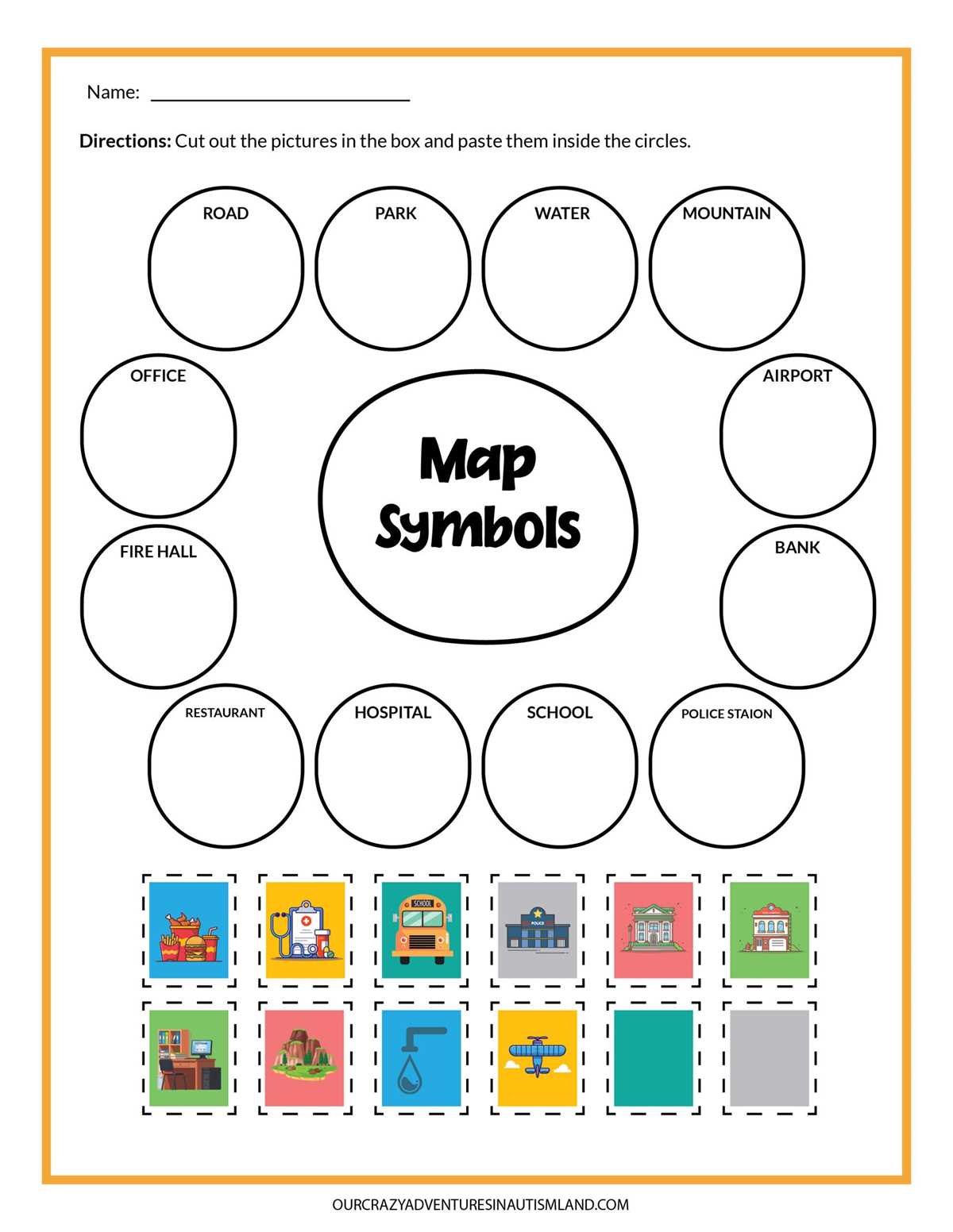
To begin, select simple visual representations of countries or regions. The design should be clear and large enough for young eyes to easily distinguish key areas. Start with maps of familiar places, like the local neighborhood or a country, to build initial interest in geographical concepts.
Incorporate fun, bold colors to highlight landmarks, rivers, and borders. This not only makes the activity engaging but also helps children visually differentiate between different geographical features. Avoid complex topographies, as this may confuse younger learners.
Another helpful tip is to focus on educational templates that include basic locations children can recognize, such as parks, playgrounds, and grocery stores. These simple yet effective designs create a fun way to help young learners start understanding spatial relationships and develop an early interest in geography.
Consider pairing the visual activity with storytelling. For example, tell a story about a character who visits different places marked on the map. This turns the experience into an interactive, hands-on activity that enhances comprehension and recall while making the learning process enjoyable.
Geographic Activity Sheets for Early Learners
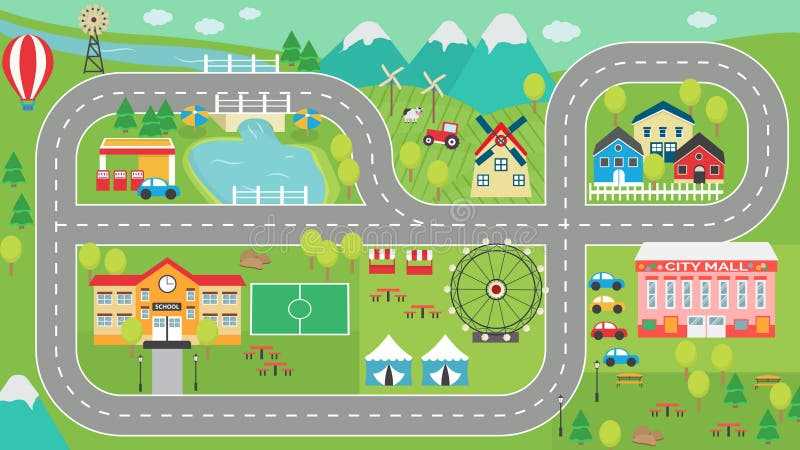
Start by choosing large, simple illustrations that children can easily interpret. Avoid including too many details; instead, highlight basic features like roads, parks, or other easily recognizable spots. The goal is to make the material visually accessible while sparking curiosity.
Focus on local spaces first. Introduce the concept of orientation by using familiar areas. Simple templates with clear labels help build a connection between the child’s environment and broader spatial concepts. Allow children to trace or color in the outlined structures to reinforce learning.
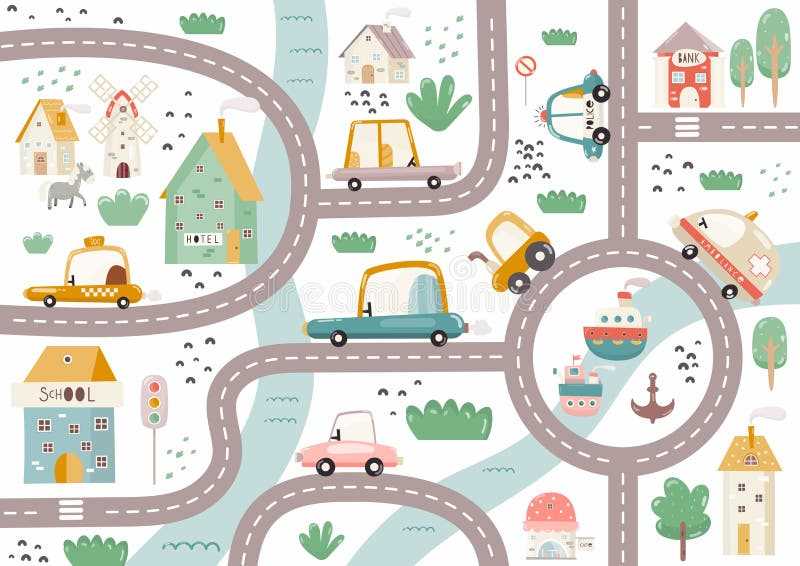
As children grow more comfortable, incorporate thematic designs such as “household,” “schoolyard,” or “neighborhood” versions. These can introduce simple directional terms like “left,” “right,” and “straight.” Make the activity interactive by asking questions like, “Where is the park from here?” to engage them in critical thinking.
Use printable visual sheets with symbols representing basic geographical features like rivers, trees, and mountains. Children can practice identifying these elements while learning about the natural world. This approach reinforces not just spatial awareness but environmental literacy as well.
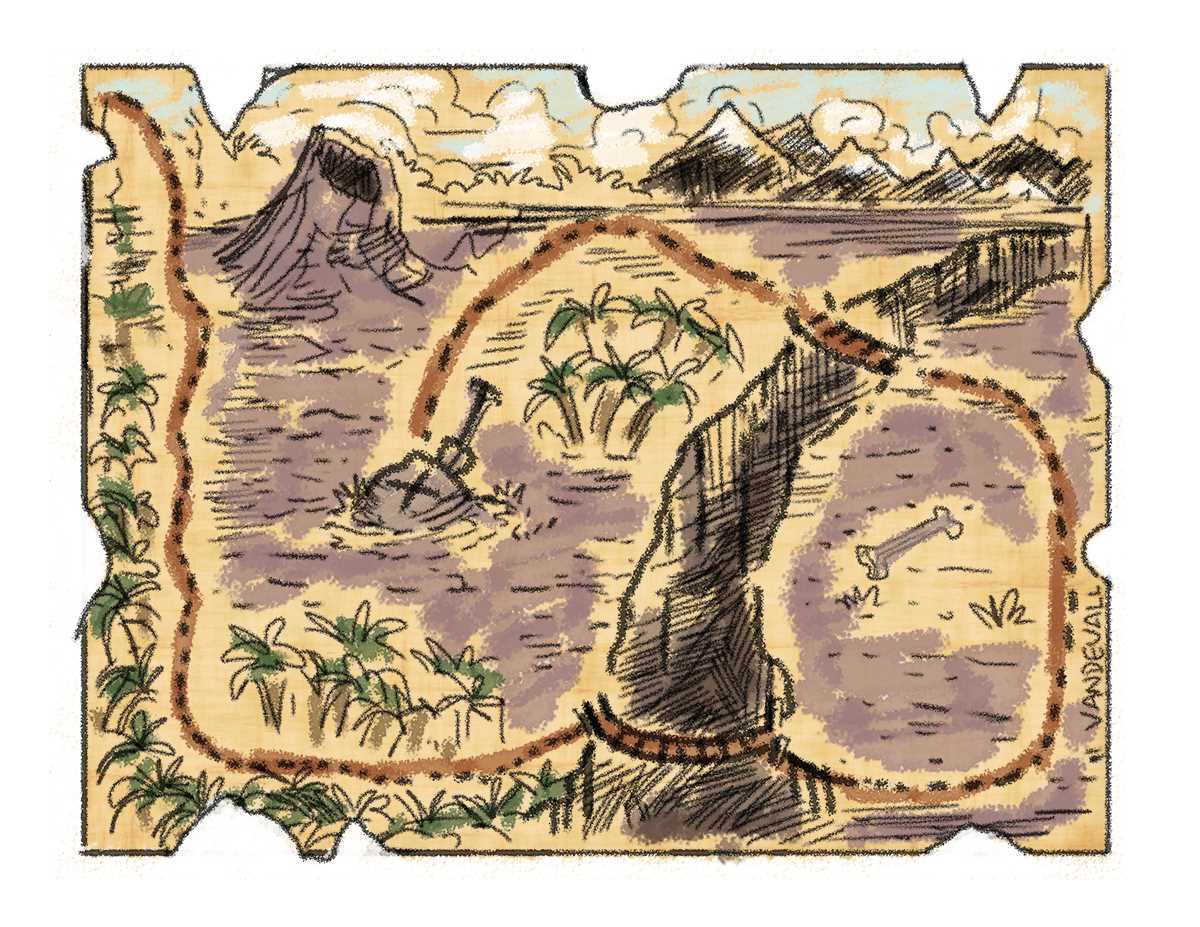
Lastly, create fun challenges to encourage problem-solving. For example, ask the child to find their “home” on a provided sketch of a “town.” These interactive activities not only entertain but also improve skills in directionality, reading maps, and understanding geography in an engaging way.