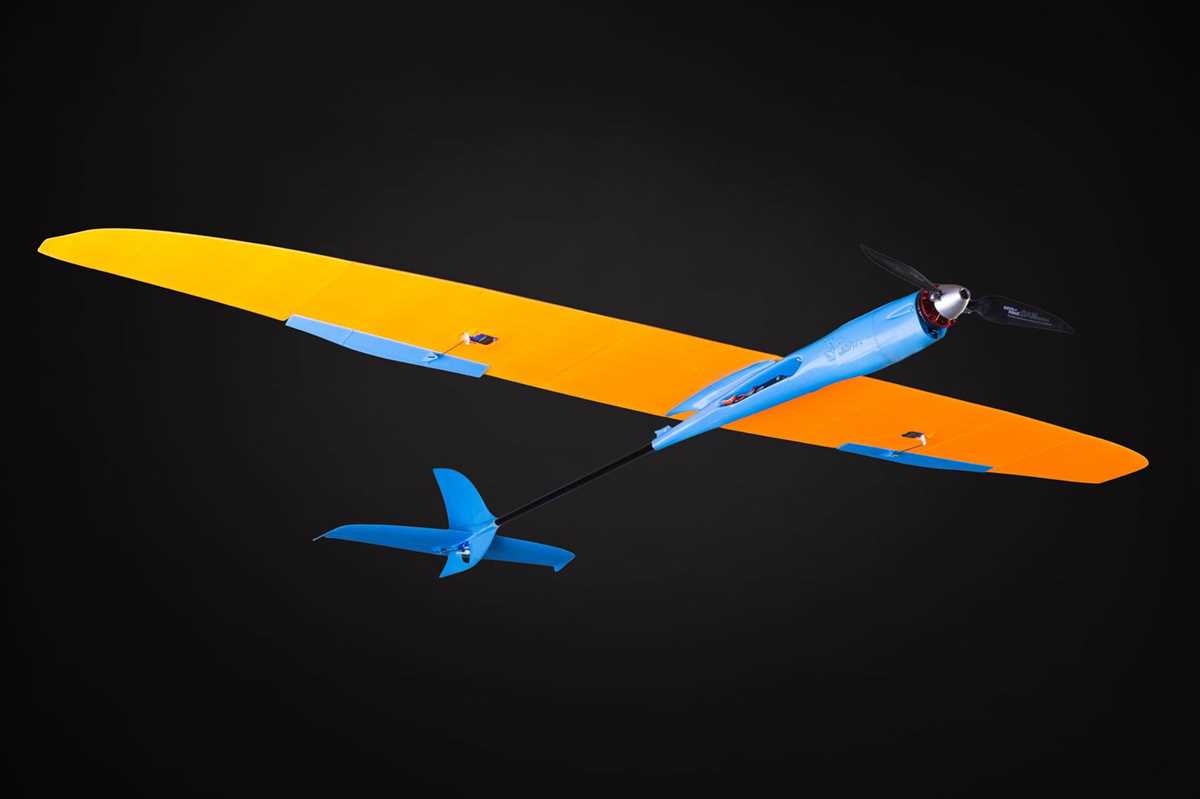
For anyone interested in creating a flying model at home, a well-designed aircraft that can be printed offers a practical solution. The process involves precise planning of the aerodynamic properties to ensure stable flight. The model must balance weight, shape, and wing configuration to achieve smooth gliding behavior without the need for external power sources.
Start by selecting a lightweight yet durable material. PLA is a common choice for 3D printing, as it provides a good balance between strength and ease of use. The right thickness for the wings and body will also impact the flight dynamics. Thin, flexible wings often lead to better performance in the air, while ensuring the body maintains structural integrity.
When designing the model, focus on aerodynamics. The key is to minimize drag and achieve the proper center of mass. Use software tools like Tinkercad or Fusion 360 to model the shape and test how adjustments will affect performance. Ensure the wings have a slight upward curve (dihedral angle) to promote stable flight and self-correction in the air.
After finalizing your design, check it for balance by adjusting the placement of weights or modifying the structure if necessary. Once your digital model is ready, proceed to printing it with high accuracy settings, avoiding any rough edges that might disrupt airflow. After printing, assemble the parts, ensuring that all surfaces are smooth and well-aligned.
Test the model in an open space to make adjustments if needed. Small tweaks to the weight distribution or wing angles can drastically improve performance. Whether you’re building for fun or for educational purposes, crafting a model with flight potential using your 3D printer can be a rewarding experience.
Designing a 3D Model for a Flying Aircraft
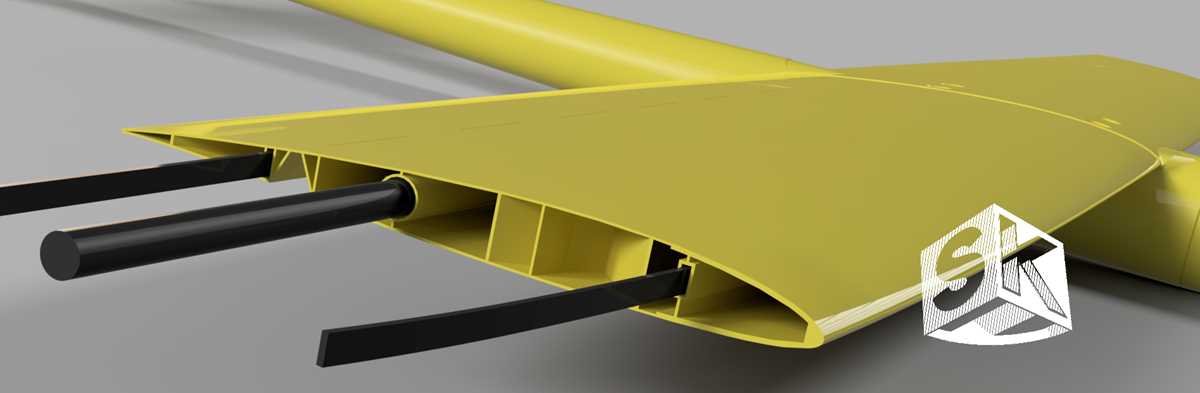
To create a well-balanced flying model, focus on aerodynamics and weight distribution. The wings should have a slight dihedral angle to improve stability in the air. Ensure that the body of the aircraft is lightweight yet sturdy enough to withstand minor impacts during flight. Materials like PLA or PETG are ideal for these projects due to their strength and ease of use during printing.
When designing the propelling system, keep the components as simple as possible. A small, lightweight motor with minimal power requirements is sufficient for most models, as excessive thrust can destabilize the flight path. Ensure the propeller is easily detachable, allowing for easy adjustments. In addition, consider incorporating a balance system to control the center of gravity, preventing nose dives or tail spins.
For the design itself, tools like Fusion 360 or Tinkercad can help you build and modify parts with precision. Make sure to test the individual components’ fit and functionality by creating prototypes. Additionally, adjust the airfoil design to achieve optimal lift. Conduct flight tests in open areas to monitor the model’s behavior in different conditions, making minor adjustments as necessary to perfect the aircraft’s flight characteristics.
Choosing the Right 3D Printing Materials for a Glider
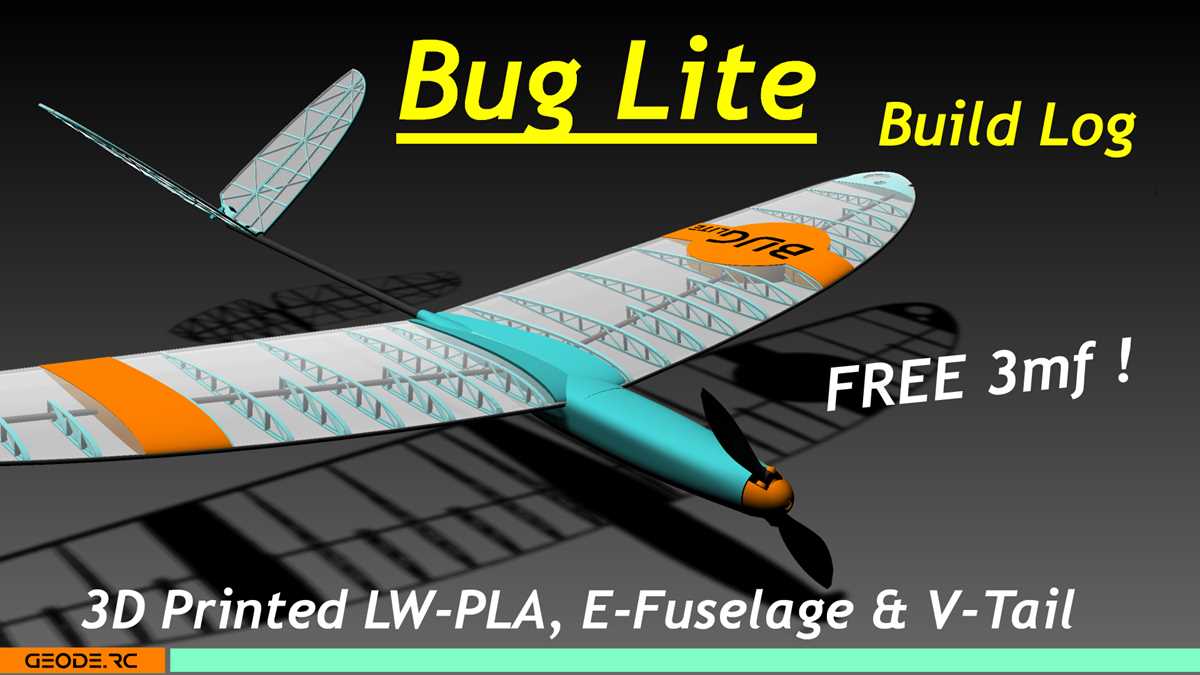
PLA is the most common choice for lightweight models due to its low density and ease of printing. It offers a smooth finish and is available in a variety of colors. However, it lacks the necessary strength to withstand high stress during flight. For best results, use PLA for non-load-bearing parts such as wings and decorative elements.
ABS is more durable and resistant to heat, making it ideal for components exposed to higher temperatures or stress. This material is better suited for structural parts, like fuselages, which require added strength. However, ABS can be tricky to print without proper temperature control, often requiring a heated bed to prevent warping.
For improved strength and flexibility, consider nylon. It excels in handling impact and is highly resilient, making it a great choice for parts that may experience frequent collisions or rough handling. While it has good strength-to-weight ratio, nylon requires a high printing temperature, so ensure your printer is capable of managing these conditions.
Carbon fiber reinforced filaments are ideal for those looking to maximize performance and reduce weight. The added fibers improve rigidity while maintaining the lightness necessary for flight. While pricier than standard materials, they offer enhanced mechanical properties and a sleek finish, making them a great option for high-performance models.
Finally, TPU is a flexible material, ideal for making parts that need to absorb impact or vibrations, such as landing gear. Although it is more challenging to print than rigid filaments, it provides excellent shock absorption and durability in demanding conditions. A flexible choice like TPU can make a significant difference in the model’s longevity and functionality.