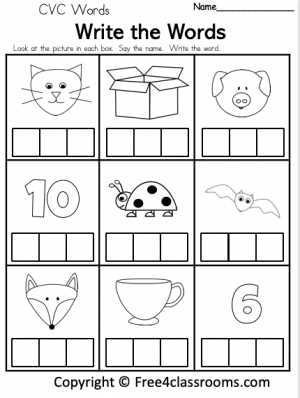
Where to Find High-Quality Learning Sheets for Young Children
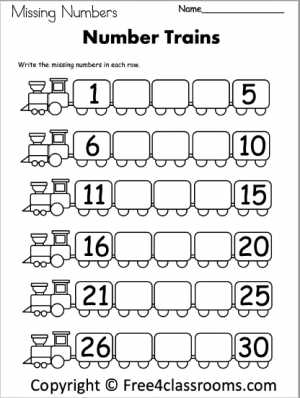
To enhance your child’s educational experience at home, start by looking for downloadable resources on trusted websites like Education.com, TeachersPayTeachers.com, and Crayola.com. These platforms offer a wide selection of engaging materials that cover a range of subjects including reading, math, and critical thinking. Many resources are designed to support the development of early skills in a fun and interactive way.
Another great option is SuperTeacherWorksheets.com, which provides various themed resources for practicing counting, shapes, and letter recognition. These printable materials are ideal for hands-on learning and can be easily printed at home for use during study sessions.
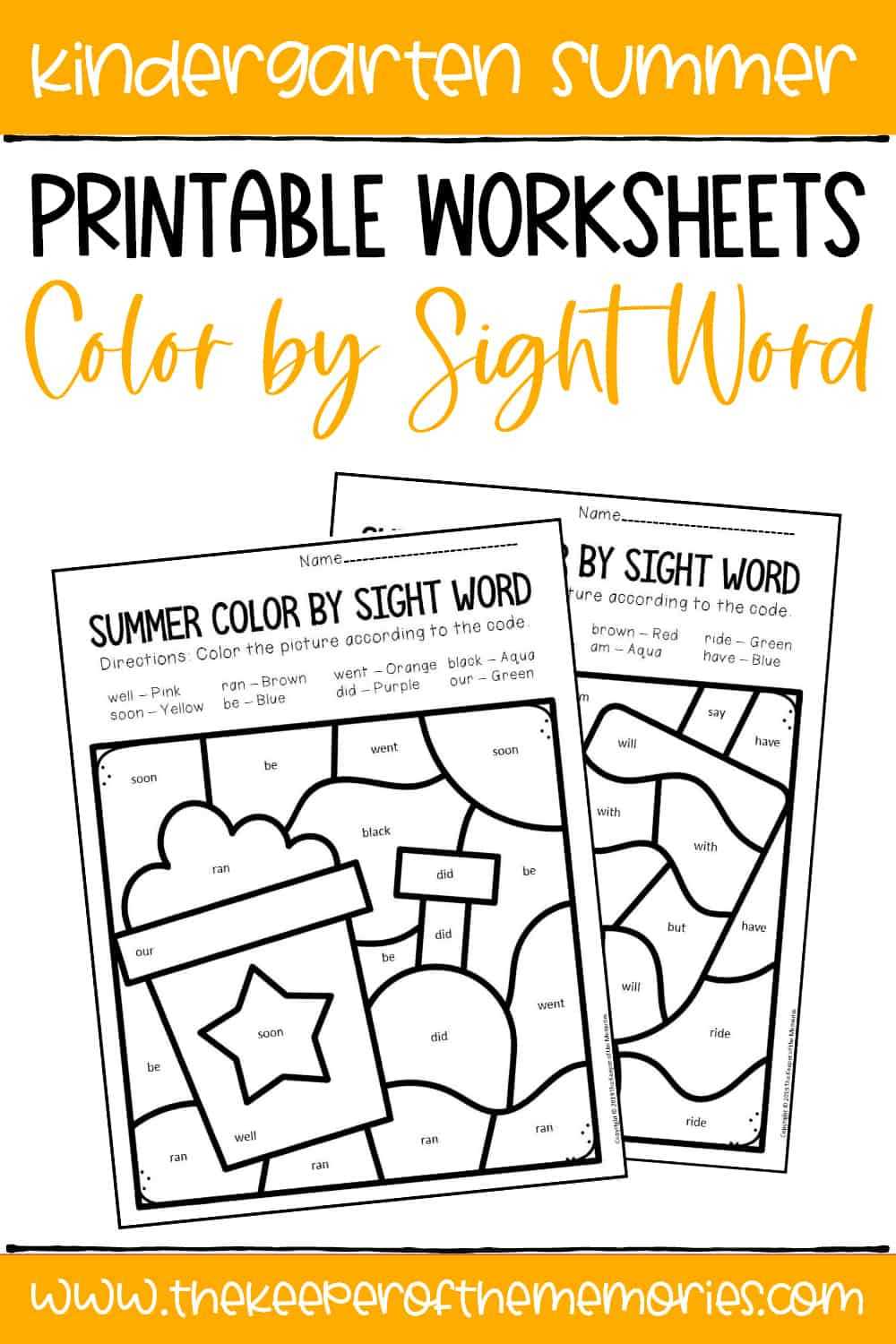
Tips for Making the Most of Downloadable Educational Resources
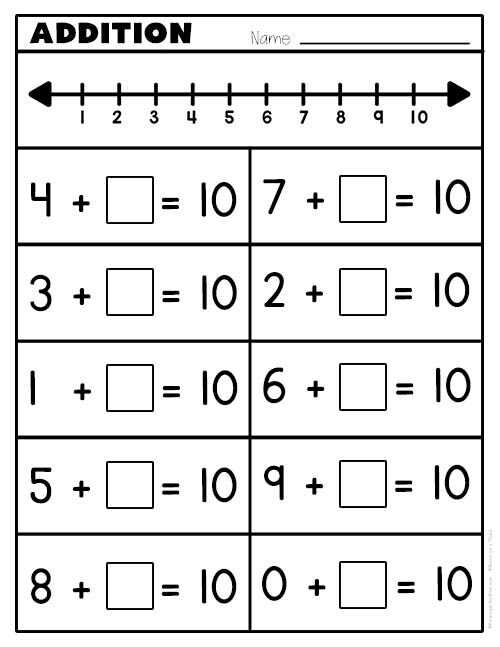
After downloading the materials, print them on durable paper to ensure longevity. If you plan to reuse them, consider laminating the pages, which will make them more resistant to wear and tear. Using dry erase markers on laminated sheets allows children to complete activities multiple times without wasting paper.
Incorporate fun games and rewards into the learning process. For example, use the counting exercises to create a mini scavenger hunt, or turn letter recognition drills into a competitive game. Interactive learning is more engaging and ensures children stay motivated throughout the activities.
Lastly, organize the resources by subject or skill level in a folder or binder for easy access. This will help you keep track of your child’s progress and ensure that you always have an educational activity ready when needed.
Educational Sheets for Early Learning
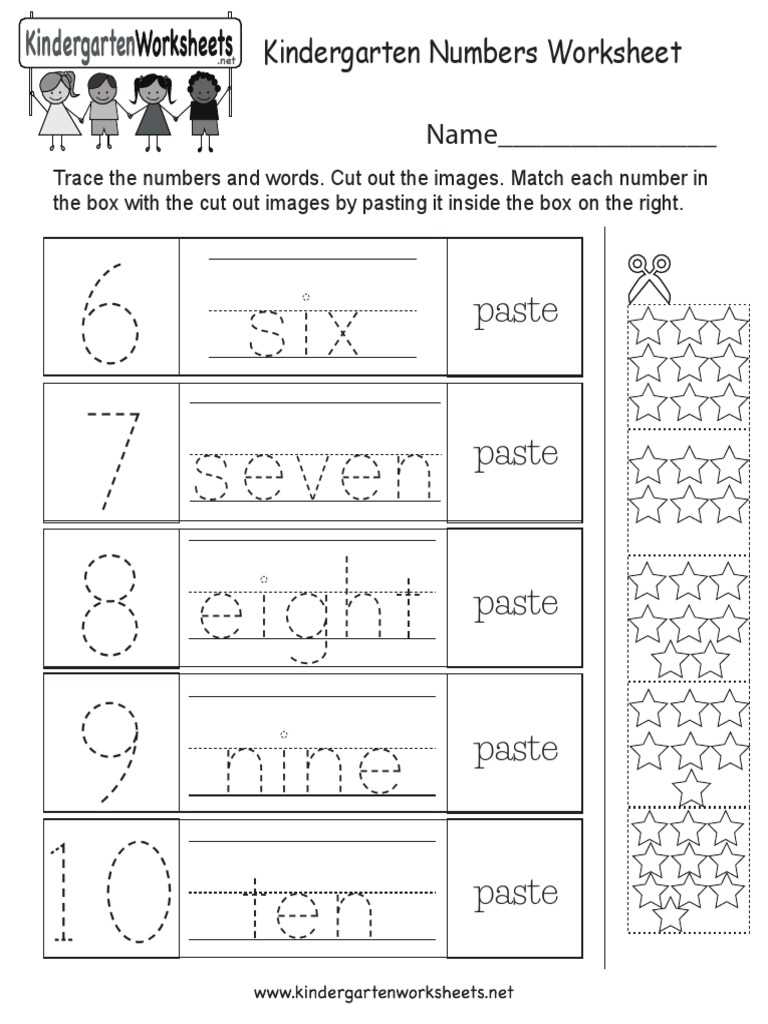
Start with resources from Education.com and TeachersPayTeachers. These websites offer a wide variety of interactive exercises designed to improve literacy, numeracy, and cognitive skills. Downloading these resources gives you access to structured activities that can be printed at home, making it easy to keep young learners engaged with educational content.
Many activities are focused on developing specific skills such as letter tracing, number recognition, and basic problem-solving. Be sure to print the sheets on durable paper or cardstock to ensure longevity, especially if they will be handled frequently by children.
For those looking to expand the learning experience, consider combining these materials with fun educational games or hands-on activities. For example, after completing a letter-tracing sheet, use it as a template for creating a DIY alphabet puzzle, reinforcing the concept through both writing and play.
To make learning more structured, organize the resources by theme or topic in binders or folders. This not only keeps the materials neat and accessible but also allows you to track your child’s progress over time and tailor learning sessions to their needs.