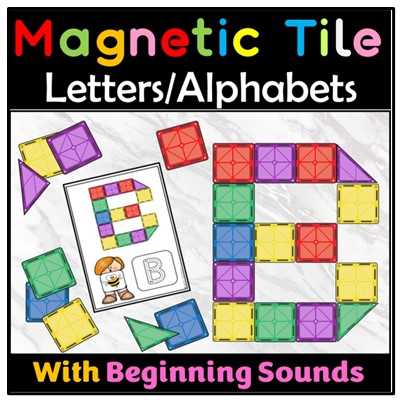
How to Make Custom Designs Using Printable Block Templates
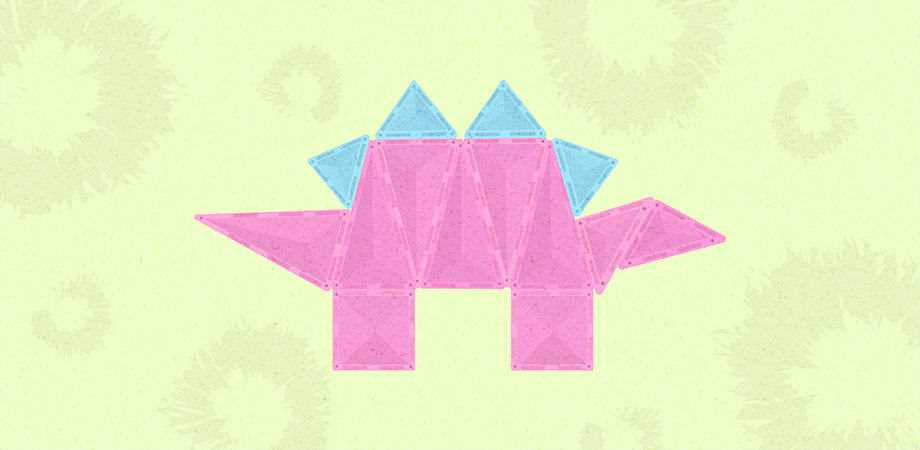
Start by downloading printable templates that allow you to design custom shapes and patterns. These can be printed on sturdy paper or cardstock for better durability. After printing, carefully cut out each shape and begin assembling them into various structures. You can create geometric patterns, animals, or even simple 3D objects like houses and towers. Encourage kids to experiment with different configurations and see what shapes they can build.
To make the designs even more engaging, try coloring the printed pieces with markers or paints before assembling them. This adds a personalized touch and stimulates creativity. For younger children, you might opt for templates that involve simpler shapes like squares and triangles, while older children can handle more complex designs such as stars or intricate polygons.
Incorporating Printable Building Blocks into STEM Activities
These printable pieces can play a crucial role in STEM (Science, Technology, Engineering, and Mathematics) activities. For example, use them to introduce basic engineering concepts such as stability and balance. Ask children to build structures that can hold weight or withstand slight pushes. This exercise can teach them about material strength and structural integrity.
Additionally, printable blocks are excellent for teaching spatial reasoning and geometry. Have kids measure the length of each piece and compare them to create shapes with specific dimensions. They can also practice symmetry and rotation by building mirrored structures. For older children, you can introduce more advanced concepts such as angles and ratios, using the shapes to explore geometric transformations.
Printable building blocks offer a versatile, hands-on learning tool that can be adapted to suit various educational goals, from foundational geometry to more complex engineering principles.
Magna Tiles Printables: Practical Ideas for Hands-On Learning
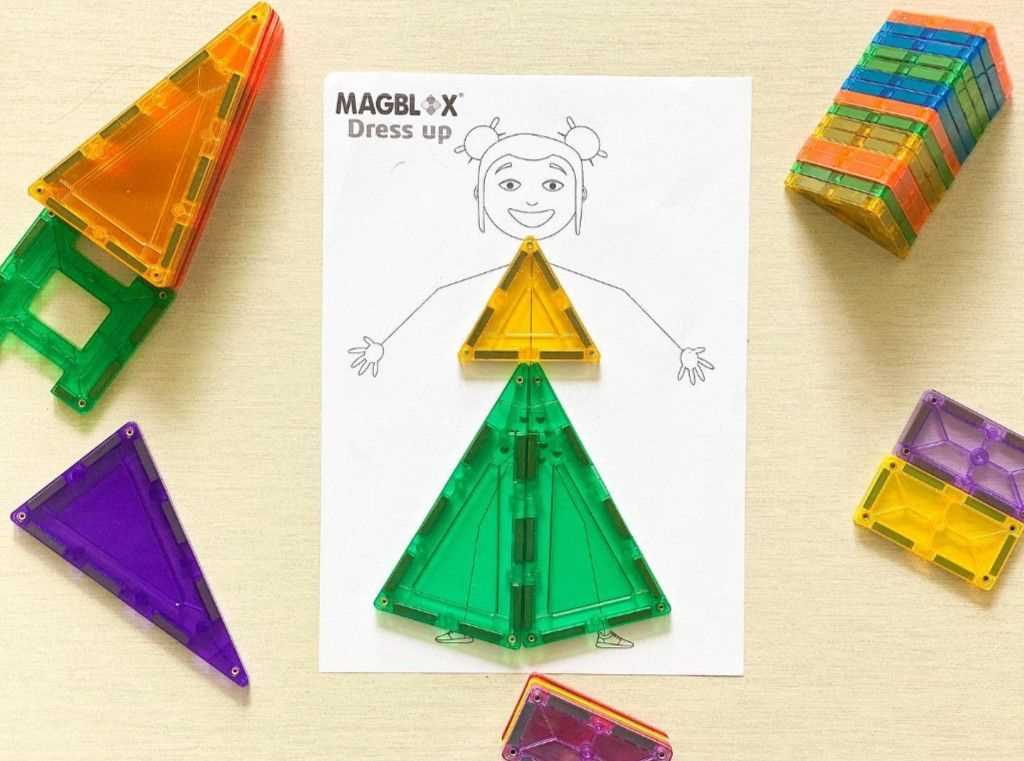
Begin with using printable templates to create geometric shapes. These can serve as the foundation for building various 3D models. Cut out the shapes, then assemble them into structures, teaching children basic concepts of symmetry, balance, and stability. These hands-on activities improve spatial awareness and fine motor skills.
Another idea is to organize challenges where kids must replicate a specific structure from a printed template. You can provide the shapes and challenge them to reconstruct the model as accurately as possible. This activity enhances their ability to follow instructions and think critically about design.
For a more engaging experience, introduce color coding to the printable pieces. Assign different colors to different shapes or sides of the shapes. Ask children to create patterns or sequences based on the colors, which can reinforce concepts such as categorization and order, while also making the activity visually stimulating.
If you want to incorporate mathematics into the learning experience, use printable shapes to explore basic geometry. Have the children count the number of sides or angles on each piece. You can also ask them to measure the dimensions of the shapes and calculate areas or perimeters, fostering both math skills and hands-on problem-solving.
For older children, encourage the exploration of symmetry and transformation. Provide templates with pre-drawn symmetrical shapes and ask them to manipulate the pieces to form reflective or rotational symmetry. This approach can also extend to understanding angles and how shapes move within space.
Printable pieces can also be used for storytelling and creative play. Have kids design their own characters, animals, or objects with the shapes and incorporate them into a story. This encourages creativity while strengthening narrative thinking and artistic skills. The interactive nature of the activity allows for multiple uses beyond just structural design.
Finally, combine these printable shapes with other learning tools such as rulers, protractors, or measuring tapes to extend the educational value. This integration of tools helps children understand how measurements relate to real-world applications while reinforcing basic STEM concepts in a fun, interactive manner.