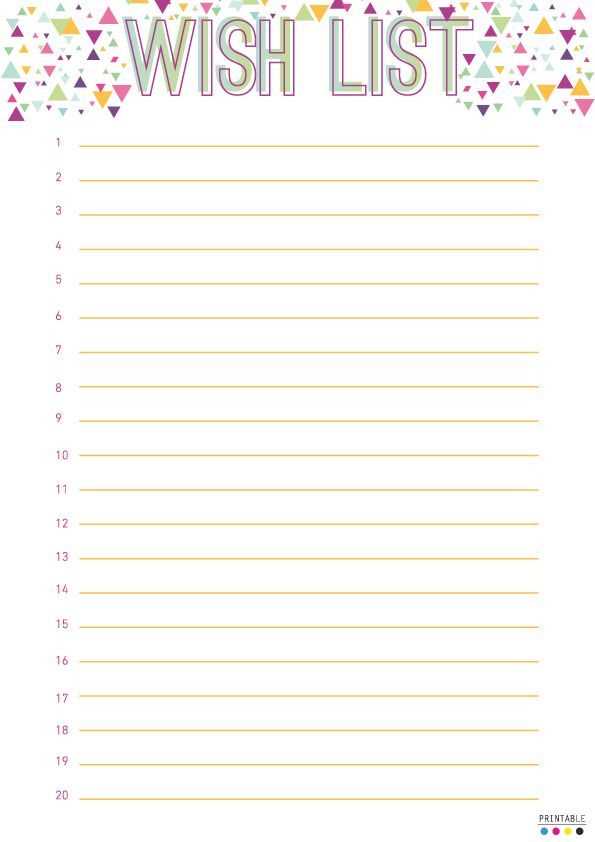
Start by creating a dedicated page where you can jot down gift ideas for various occasions. Use clear sections for each recipient to ensure you don’t miss anyone important. This structure helps keep your thoughts organized and your purchasing process smooth.
Choosing the Right Format for Easy Customization
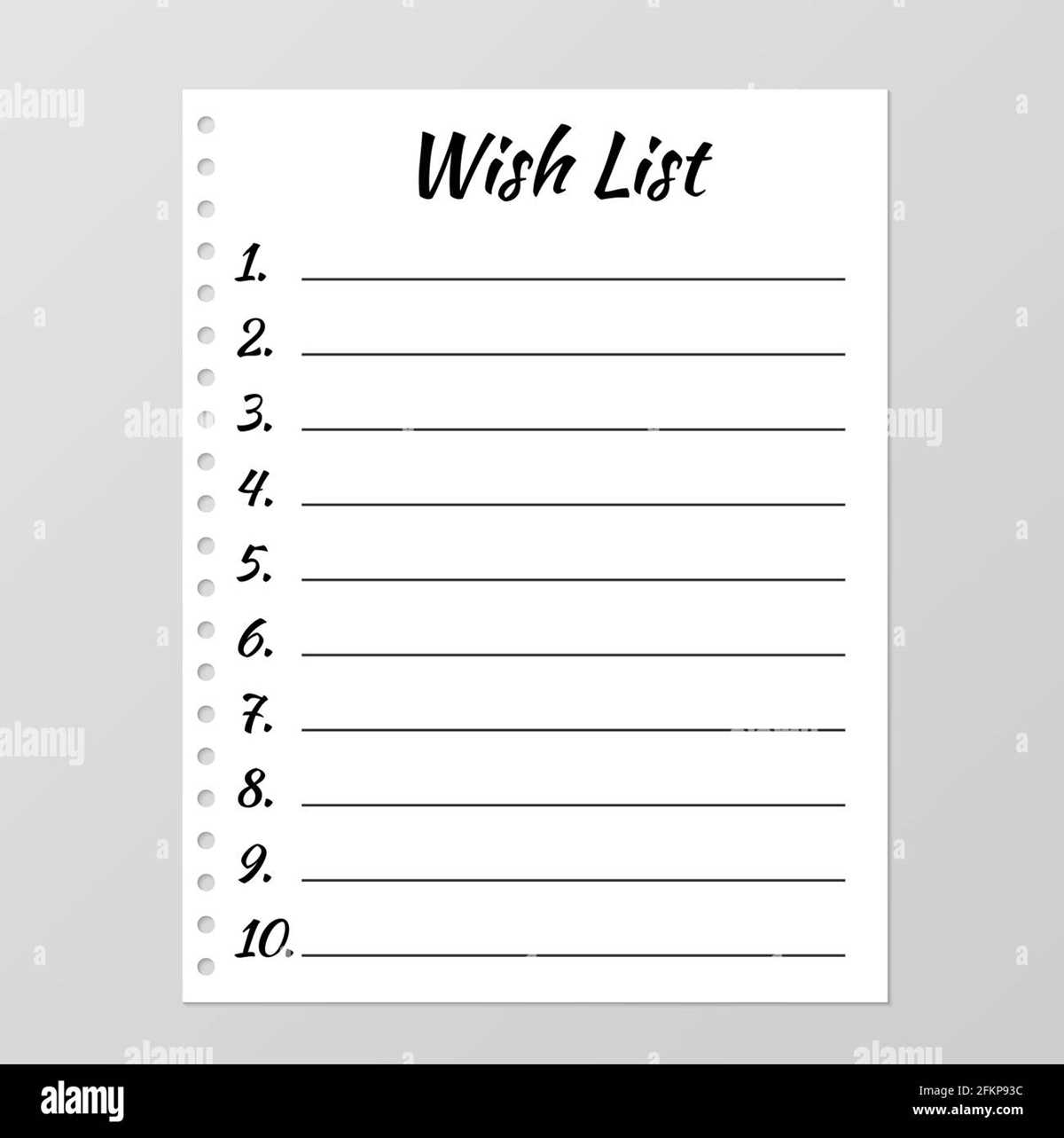
Consider using a template with distinct columns: one for the recipient’s name, another for the gift idea, and a third for the budget. You can also add columns for status updates, such as whether the gift has been bought, wrapped, or shipped. This simple approach makes it easy to track your progress and ensures you stay within your budget.
Personalizing Your Gift Planning Sheet
Personalization helps make the page more functional. Use colors or icons to differentiate sections for different events, like birthdays, holidays, or anniversaries. For example, use a snowflake icon for winter holidays or a heart for Valentine’s Day. This can visually break up the content, making it easier to focus on what matters at a glance.
In addition to the basic columns, consider adding extra rows for any additional notes. These might include special instructions like delivery preferences or preferred stores. It’s also helpful to list any personal interests or hobbies for each recipient to inspire more thoughtful gift choices.
For maximum flexibility, print out your template so you can write directly on it or make digital versions to update on the go. This way, whether you’re at home or out shopping, you’ll always have a record of your ideas. A digital version is particularly helpful for keeping your ideas synced across devices.
By organizing your gift suggestions with such a system, you’ll not only make the shopping experience more enjoyable, but you’ll also be able to track which gifts have been successfully purchased. The simplicity of a clear, easy-to-edit format will keep you on track and prepared for any special occasion throughout the year.
Wish List Design Ideas and How to Use Them
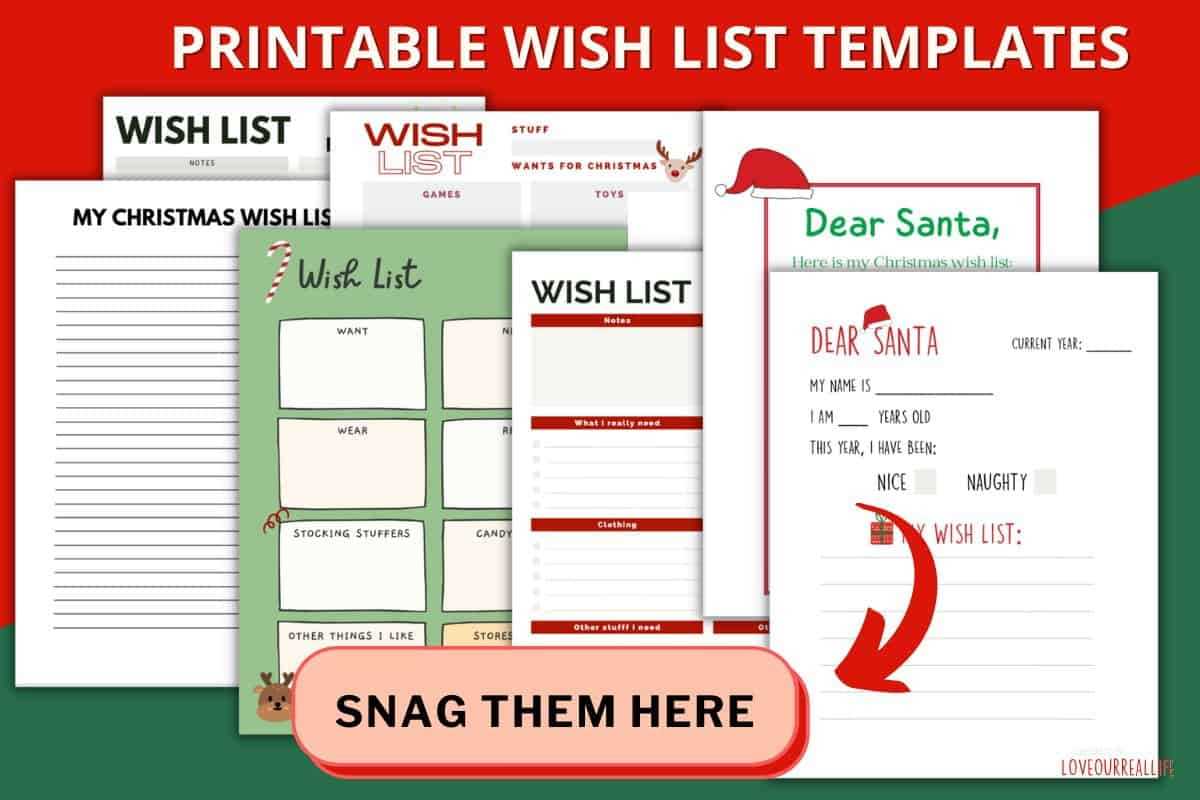
One simple way to organize your gift ideas is by categorizing them. For example, divide your entries into sections such as “Gifts for Family,” “Gifts for Friends,” and “For Myself.” This method helps prioritize your shopping and ensures you don’t miss anyone.
If you’re planning for an event, like a birthday or holiday, create separate pages for each person or occasion. Add columns for the gift, its price, store or online retailer, and a checkbox to mark when it’s bought or wrapped. This structure keeps everything clear and easy to update.
For a more visual approach, use a color-coded system. Assign a specific color to each category, such as blue for tech gadgets or green for clothing. This method allows for quicker identification and organization when you’re checking through your options.
If you enjoy tracking your goals, include a progress bar on your sheet. For each person, you can mark off when you’ve found the perfect gift, made the purchase, or wrapped it up. This gives you a tangible way to visualize how close you are to completing your list.
For a digital format, consider using a spreadsheet. With this method, you can easily update items, make adjustments to the budget, and even add hyperlinks to stores or product pages. This is perfect if you’re always on the go and need instant access to your shopping details.
Finally, don’t forget to leave room for notes. For example, jot down any particular preferences or requirements for gifts (size, color, etc.), or ideas for future occasions. This extra detail will help you make more thoughtful decisions and stay organized throughout the year.