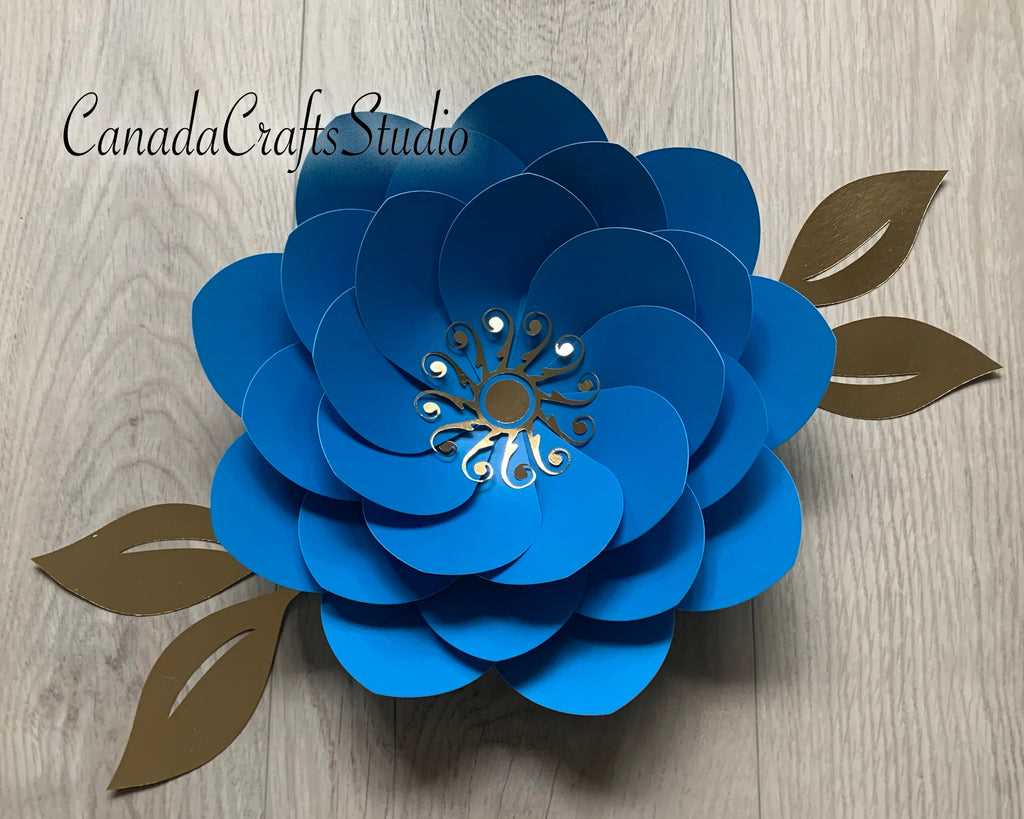
Choose a scaled vector layout with numbered folds and pre-marked glue zones–this cuts assembly time by nearly half and reduces alignment errors on curved petals. Files prepared in A4 and US Letter with 5–7 mm tabs work best for standard cardstock, while grayscale guides keep ink usage low.
For realistic depth, layered petal sets with staggered curvature outperform flat cutouts. Look for designs that specify paper weight ranges (160–220 gsm) and include alternate cores; swapping a tight spiral center for a faceted dome changes the final volume without re-cutting outer parts.
Cut precision matters more than paper brand. SVG and PDF formats that preserve Bézier curves deliver cleaner edges on both plotter cutters and craft knives. A tolerance note of ±0.3 mm helps maintain symmetry when scaling the 3D form up or down.
Finish strength comes from adhesive choice and sequence. Apply tacky glue sparingly along tab midlines, press for 10–15 seconds, then set the piece face-down while curing. This keeps the bloom round and prevents warping, especially on larger sculptural builds.
3D Flower Template Printable: How to Choose, Print, and Assemble Realistic Paper Blooms

Pick a petal layout file with vector lines (SVG or high-resolution PDF at 300–600 dpi) and clearly marked glue tabs; this prevents jagged edges and mismatched layers after cutting.
Match paper weight to the part: 120–160 gsm for inner petals that need tight curling, 180–220 gsm for outer layers, and 250 gsm cardstock for the base disk; textured sheets add realism but require sharp blades.
Use pigment ink on an inkjet or select “fine line” mode on a laser device; disable page scaling, set margins to zero if supported, and run a single test sheet on plain 80 gsm paper to confirm sizing before committing heavier stock.
Cut along outer contours with a precision knife held at a 45° angle; rotate the mat rather than your wrist to maintain smooth arcs, and replace blades after 3–4 dense pages to avoid fiber fraying.
Score fold lines lightly with a blunt awl or empty ballpoint pen; pressure should crease without piercing, producing clean folds that hold curvature.
Shape each petal before gluing: pull the paper edge across a wooden dowel (5–8 mm diameter) for outward curl, or roll inward around a thin brush handle; vary curvature between layers to avoid a flat silhouette.
Assemble from the center outward, attaching small clusters of 3–5 petals at a time; apply a thin bead of tacky glue with a needle tip, wait 5–10 seconds for tack, then press for 15 seconds to secure alignment.
Finish by misting with clear acrylic sealer from 20–30 cm away; one light coat increases rigidity and protects color, while additional passes can dull fine printed details.
How to Select the Right 3D Flower Template Printable (File Format, Paper Type, and Skill Level)
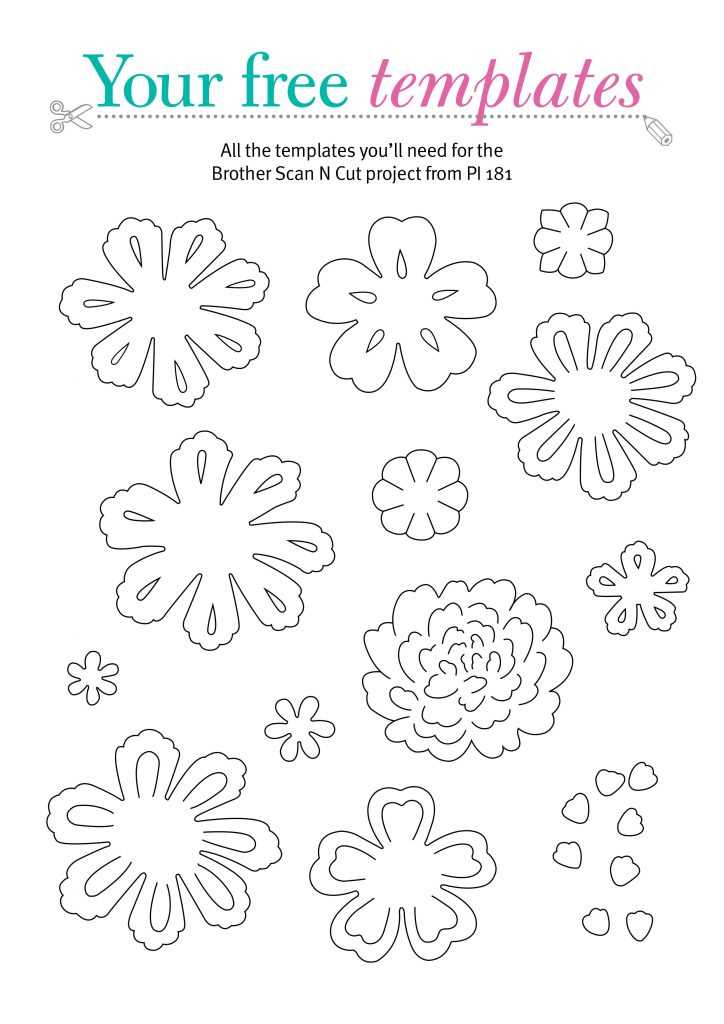
Choose a vector-based design file first: SVG or PDF with preserved layers delivers clean edges on home inkjet and laser devices, while DXF fits cutting plotters without raster artifacts. Avoid JPG unless the file exceeds 300 DPI at final size; bitmap scaling blurs fold lines and slot tolerances. Check that the file includes bleed marks (2–3 mm) and separate cut/score layers to prevent misalignment during assembly.
- SVG: best for Cricut/Silhouette with editable nodes and true-to-scale cuts
- PDF: reliable for manual cutting with locked dimensions
- DXF: precise geometry for plotters lacking SVG import
Select stock by weight and fiber. Use 180–220 gsm matte cardstock for petal-like curvature that holds shape without cracking; go heavier (250–300 gsm) for bases and stems to resist torque. Cotton or linen blends crease softly; recycled pulp shows edge fuzz after scoring. For adhesives, PVA grabs slower on coated sheets, while tacky glue bonds fast on uncoated fibers.
Match complexity to experience level by counting operations, not parts. A beginner-friendly build stays under 20 cuts and 10 scores, relies on tabs wider than 6 mm, and avoids compound curves. Intermediate sets add layered segments and offset folds; advanced builds introduce interlocking ribs, reverse scores, and tolerance-critical slots (±0.3 mm). Choose a plan that lists cut count, score count, and recommended tools so the outcome matches skill and time.