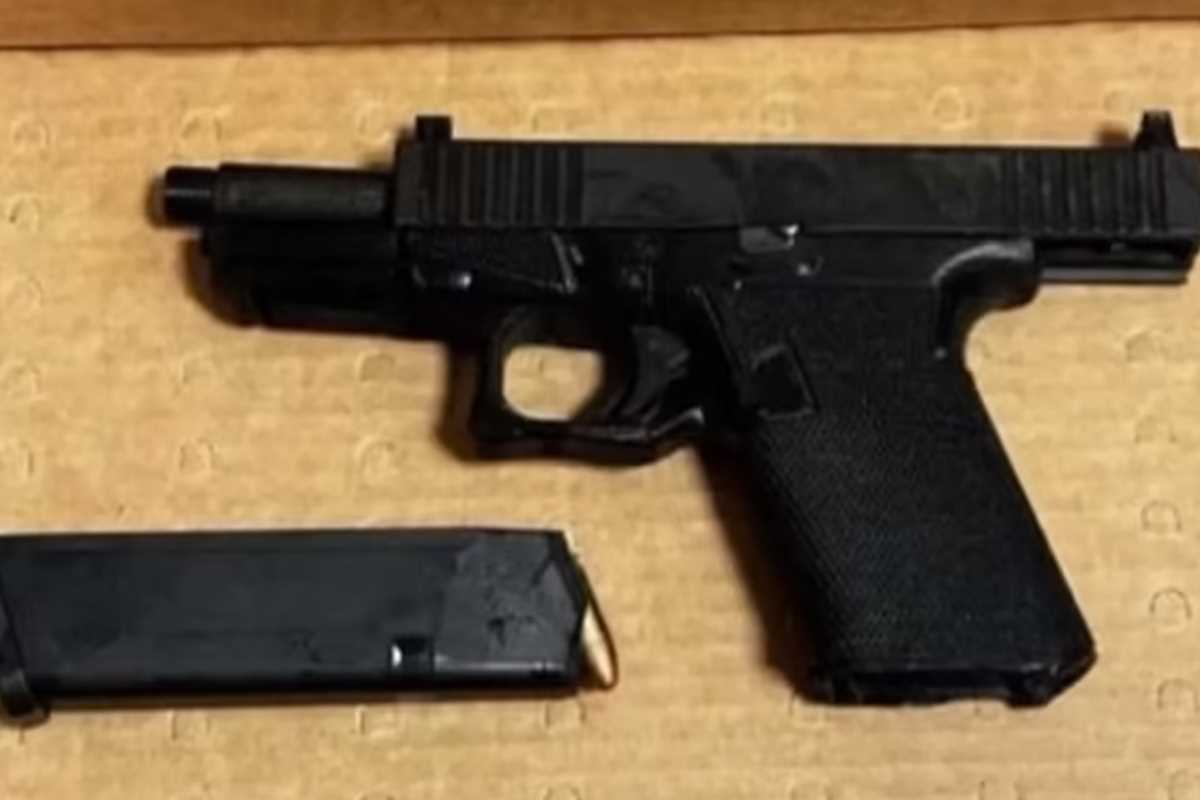
Design Considerations for Creating a Toy Gun Model
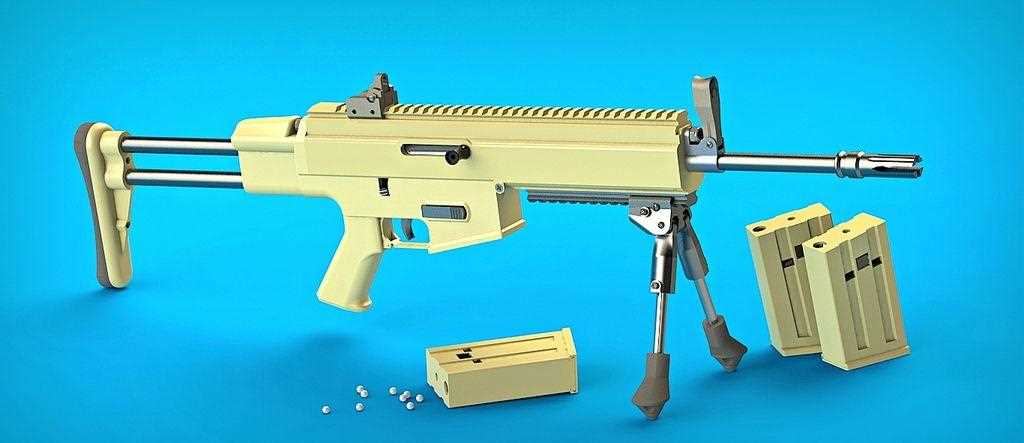
When crafting a toy weapon model for 3D creation, start by focusing on the functionality of the moving parts. Ensure the design includes spaces for essential components like the trigger mechanism, chamber, and firing pin. Simplify the model for ease of assembly, especially if the goal is for the object to be fully operational. Use a CAD program like Fusion 360 or Tinkercad to sketch the design, as these tools offer detailed customization options for the internal parts. Prioritize creating smooth, compatible interfaces between parts, especially for the barrel and trigger, to ensure seamless assembly after printing.
While designing, also consider the safety and durability of the product. Make sure all components can withstand repeated use without wearing down or breaking easily. If possible, test the design in parts to identify any potential flaws in movement or alignment before finalizing the complete model. This helps save time during the final assembly process, ensuring a more functional product in the end.
Choosing Materials for Optimal Performance
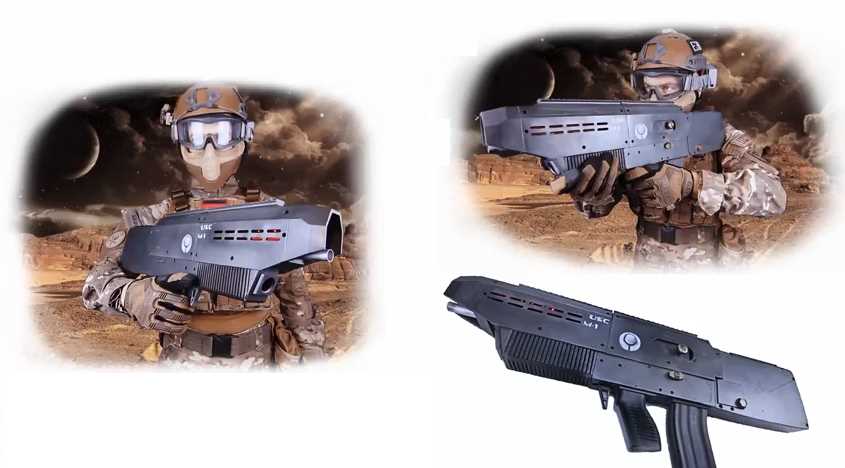
The material you choose for the 3D print significantly impacts the functionality and longevity of the model. Opt for tough, durable plastics such as ABS or PETG for parts that will undergo significant stress, like the trigger and chamber. These materials are strong and resistant to heat, making them perfect for active parts. For external body parts that require smooth surfaces and a more polished look, PLA can be a good option. It’s easier to print and can be combined with ABS for additional strength.
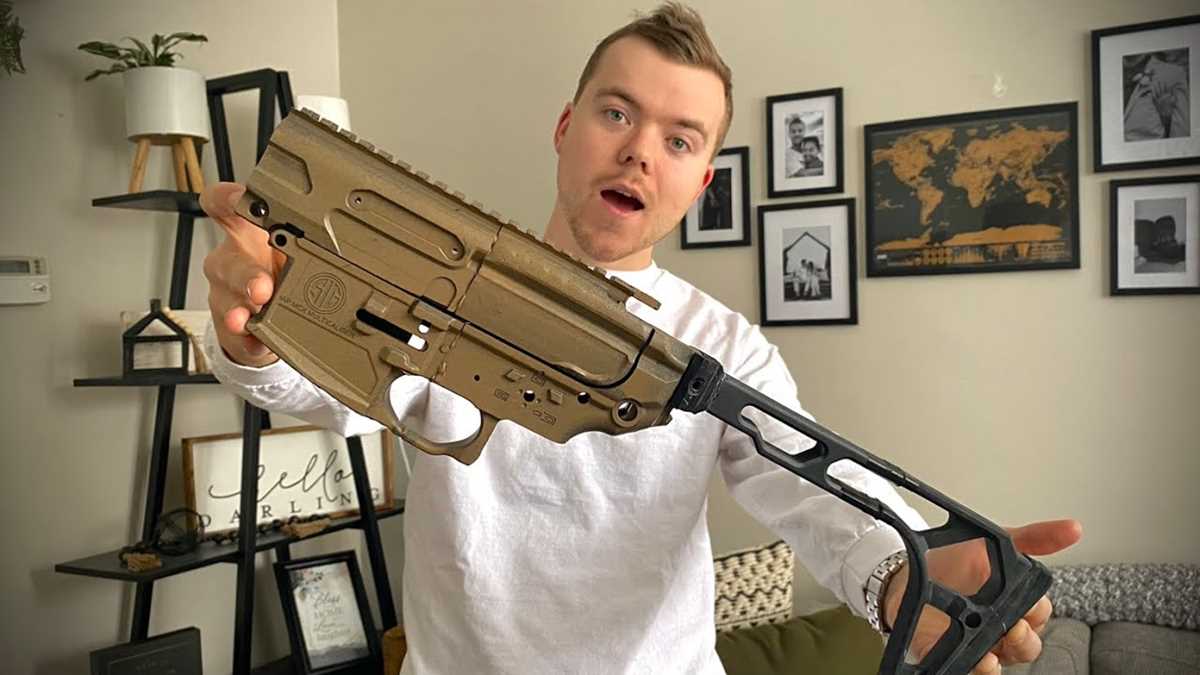
Remember to also factor in the weight of the final product. If you plan to create a larger model, ensure it doesn’t become too heavy to operate comfortably. Use lighter materials for larger, non-structural components to keep the toy balanced. Additionally, consider the finish of the material. Some types of filament offer an extra layer of durability with a matte or glossy finish, which can be important for aesthetics and feel when held.
Creating a Functional Toy Weapon Model
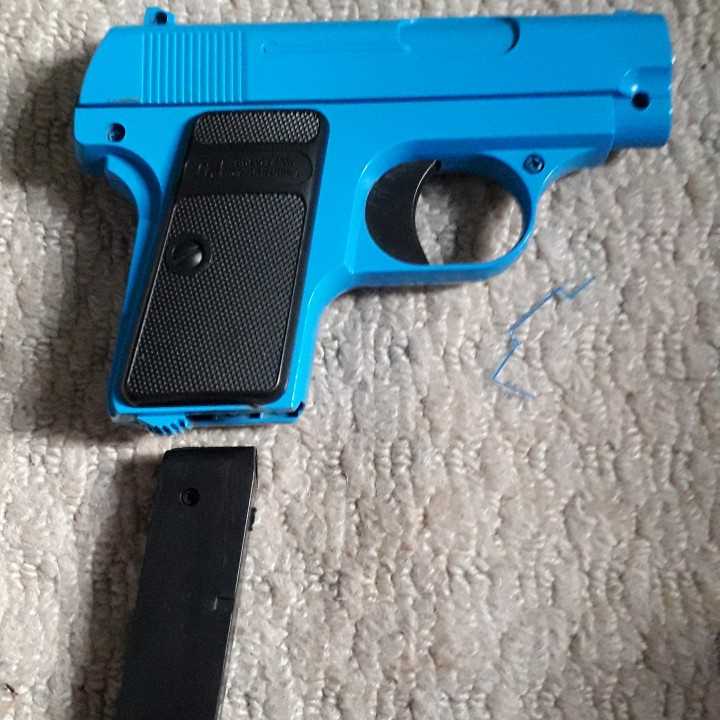
To design a functional model of a toy weapon, begin by planning the internal mechanism. Focus on the moving parts such as triggers, barrels, and other elements that will interact during use. Tools like Fusion 360 can help you create detailed designs with specific measurements. Ensuring compatibility between these moving parts is key to creating a smooth, operational model. After sketching out the structure, you can use a 3D printer to create each part. Make sure to account for the clearances and tolerances needed for assembly to avoid misalignments in your final product.
Ensure that the components fit securely and operate with minimal friction. The trigger mechanism, for example, should be precise to function correctly, and the barrel must align perfectly with the internal mechanisms. Regular testing and adjusting during the design process will help refine these components. Additionally, it’s important to make sure that the assembly can withstand continuous use without breaking down.
Durability is a key factor when choosing materials for the print. For structural parts, opt for tougher materials like ABS or PETG. These plastics provide the necessary strength to handle the forces exerted during operation. For aesthetic components or non-functional parts, PLA can be a suitable option as it is easy to print and gives a clean finish. However, be cautious when using PLA in parts that will experience heavy wear, as it may not be as durable over time as ABS or PETG.
The finish of the printed model also plays an important role. After printing, you can improve the appearance of your creation by sanding or painting the surface. Sanding removes any rough edges or visible lines left from the printing process, making the model smoother and more professional in appearance. You can also add a layer of paint for a glossy or matte finish depending on the desired look. This will not only improve the look but also provide some added protection against wear and tear.
Testing and assembly should be approached carefully. After printing the parts, check each one for any defects or issues in movement. Before final assembly, ensure that all parts are compatible and fit together correctly. Depending on the complexity of your design, it may be necessary to adjust the fit of certain parts or refine certain mechanisms. Once fully assembled, test the toy weapon model to confirm that it functions smoothly and is safe to use. This final step ensures that your design is both aesthetically pleasing and mechanically sound.