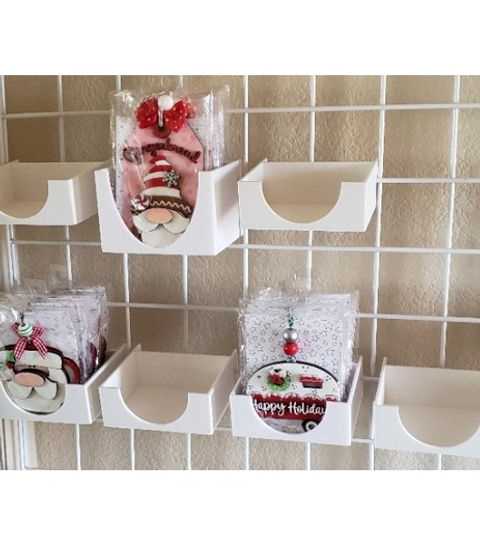
To make your living space more organized, 3D models of organizers designed to fit specific areas like counters or shelves can be extremely helpful. By choosing models that are tailored to your needs, you can efficiently use your space while also ensuring everything has a designated place. If you’re aiming for a sleek and practical approach, printing these structures offers the flexibility of customizing size and shape based on available space and your specific storage requirements.
How to Select the Best Models for Organizing Small Items
When selecting 3D models, consider the type of items you want to store. For small personal items, such as toiletries or cosmetics, models with segmented compartments can help keep everything in order. Opt for designs with sturdy walls and non-slip bases to prevent accidents. For more delicate items, such as glass bottles or fragile objects, opt for models with wider spaces and added protection features like raised edges.
Steps to Print and Assemble Your Customized Organizers
1. Choose the Right Material: Start by selecting an appropriate material for printing. PLA and PETG are ideal options for bathroom-related structures due to their durability and resistance to humidity. These materials are easy to print and can withstand the occasional spill without warping.
2. Set the Dimensions: Measure the available area where you intend to place your organizer. Using your 3D printer’s software, adjust the model’s dimensions to fit the exact measurements. It’s important to ensure the print will fit comfortably in the space you have designated for it.
3. Print and Assemble: Once the file is ready, initiate the printing process. Depending on your printer’s capabilities, this may take a few hours. Afterward, carefully assemble the parts, ensuring each component fits together securely. Some models may come with snap-fit mechanisms, while others might require screws or adhesive for added stability.
Using 3D technology to create customized organizers allows you to have more control over both the aesthetic and functionality of your home storage solutions. By adjusting designs to suit your needs, you can save money while contributing to a more organized and visually appealing space.
Organizing Small Items with Customizable Containers
Creating custom holders can significantly improve the organization of your personal care items. By designing containers that fit specific spaces, you optimize available areas and reduce clutter. For instance, a design with compartments can neatly separate toiletries like soap, razors, or makeup accessories, keeping everything in place while ensuring easy access when needed.
When selecting the ideal material for printing, consider durability and water resistance. Materials such as ABS or PETG are durable and can withstand moisture, making them perfect for areas prone to humidity. These materials offer flexibility and strength, allowing the printed item to maintain its shape over time, even in a damp environment.
How to Design and Modify for Specific Needs
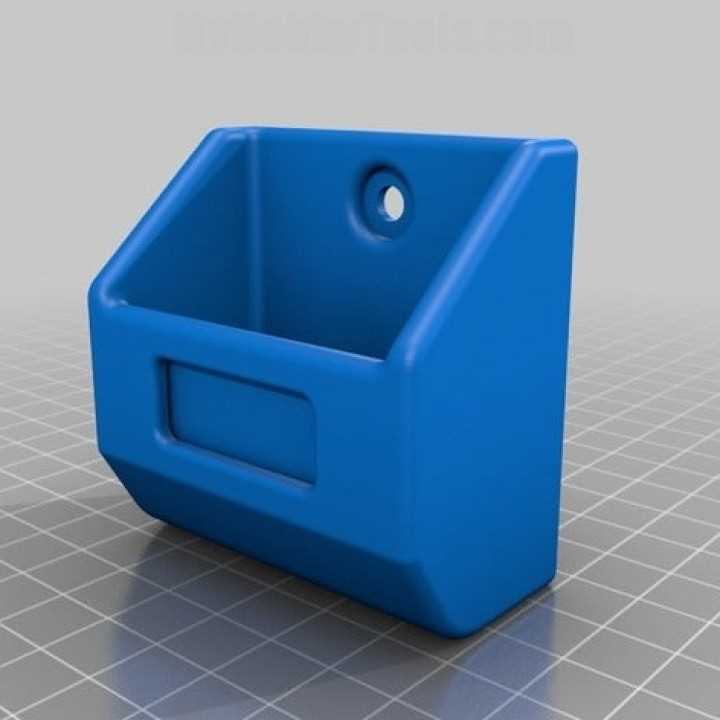
Designing a custom organizer starts with defining the intended use. If you need a space for bottles or small cans, choose a design that offers a sturdy base and ample space between each section. Adjustable height designs can accommodate varying bottle sizes, ensuring everything stays upright and organized. Furthermore, consider including drainage holes in the base to allow water to escape and prevent any buildup of mold or mildew.
For smaller accessories like cotton swabs or toothbrushes, a segmented design works well. Dividing the space into smaller sections ensures everything is neatly stored and easily accessible. You can further personalize the container with aesthetic features, such as patterns or shapes that match your style, ensuring it integrates seamlessly into the room’s decor.
Customizing these items allows you to select designs that complement your existing decor. From sleek minimalistic options to more intricate or decorative shapes, you can find a solution that fits both your functional needs and aesthetic preferences. With the ability to modify the dimensions, you can tailor the design to match the exact space you have available, ensuring a perfect fit.
Step-by-Step Guide to Printing and Assembling Your Organizer
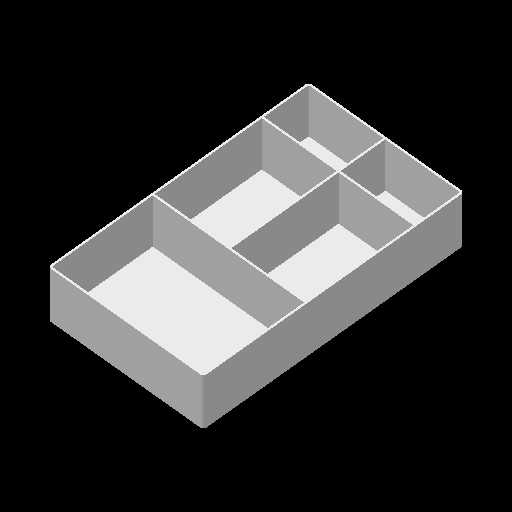
1. Prepare the Design File: Start by selecting a design that meets your needs. You can find many templates online or create your own with 3D modeling software like Tinkercad. Once the design is ready, adjust the size and shape to fit your space using your printer’s software.
2. Choose the Right Material: As mentioned earlier, opt for moisture-resistant materials. PETG is a strong choice, as it holds up well in humid conditions. Avoid PLA for these purposes, as it may deform when exposed to heat or moisture over time.
3. Printing and Assembly: After loading your chosen material into the 3D printer, start the printing process. Depending on the size and complexity, printing can take anywhere from a few hours to a day. Once the item is finished, remove it carefully from the printer bed. If needed, assemble multiple parts or attach any additional accessories, such as handles or decorative accents.
By following these steps, you can create functional, customized containers that not only improve organization but also add a personal touch to your living space. The flexibility of 3D printing ensures that each piece is uniquely tailored to your preferences, making it both a practical and creative solution.