Key Considerations Before Downloading Firearm Models
Before you proceed with acquiring any model for constructing a firearm, ensure you have a strong understanding of both local laws and the technical aspects of firearm mechanics. It’s crucial to consider the legal ramifications, as laws surrounding homemade weapons vary widely by jurisdiction. Ensure compliance with regulations to avoid severe penalties.
Necessary Materials and Tools
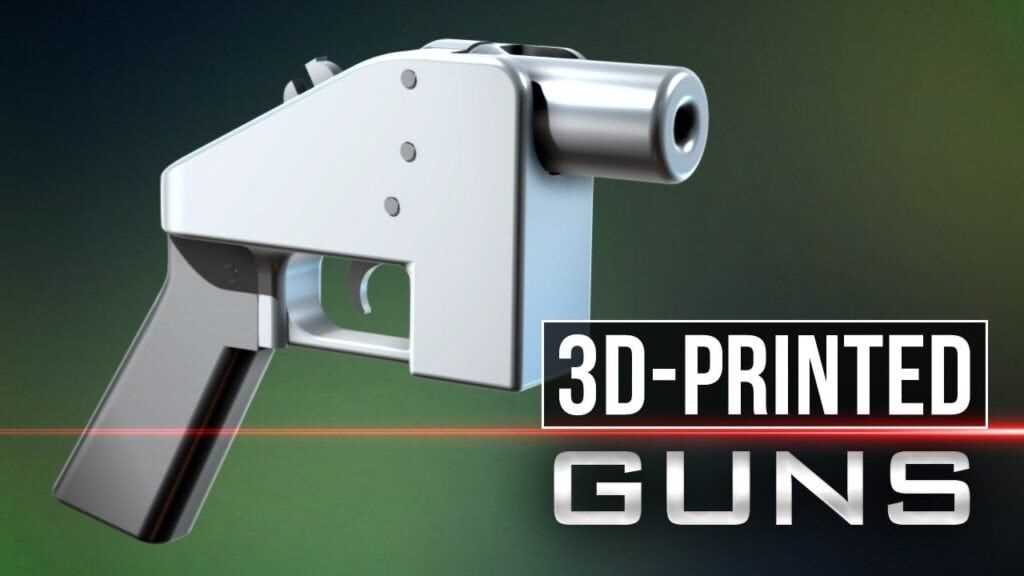
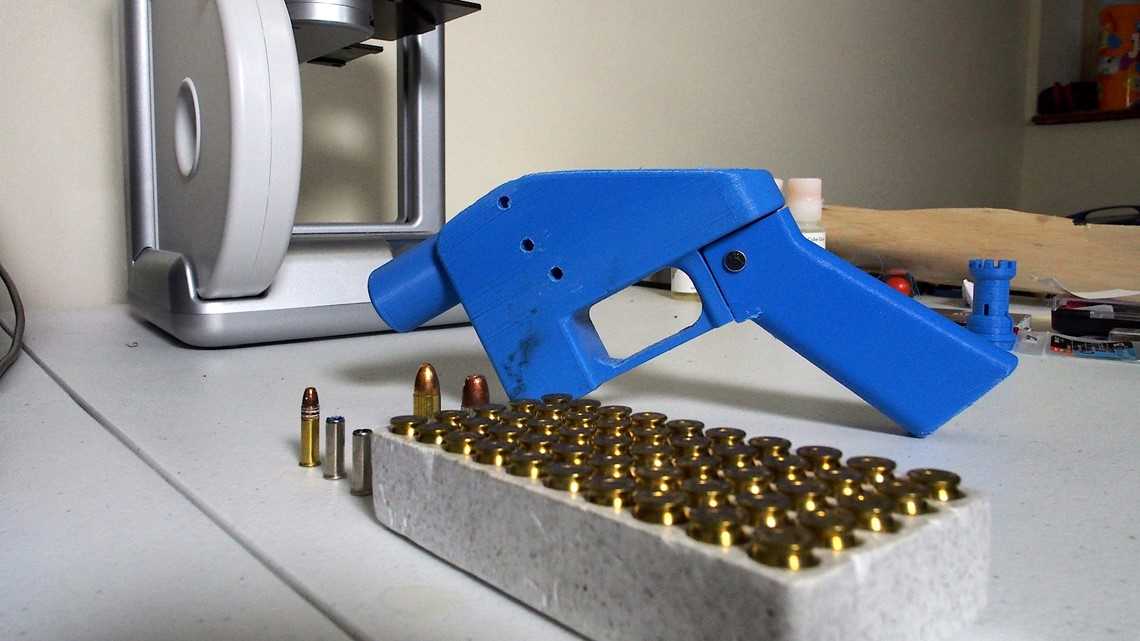
Successfully assembling a functional device using 3D technology requires more than just access to a 3D printer. You will need specific filament materials such as ABS or nylon, which offer durability. Additionally, tools for post-processing, like cutting and sanding equipment, may be necessary to refine the parts into a fully operational form.
Technical Specifications of Digital Models
Look for digital models that are designed with strength and precision in mind. A low-quality model may result in a malfunction or failure during use. Focus on files that use geometries appropriate for firearms, such as reinforced areas at high-stress points like the trigger mechanism and barrel. Also, ensure that all parts are properly scaled to fit together seamlessly. Small errors in the design could cause the weapon to malfunction.
Understanding the Challenges
- Material Strength: Printed materials may not always match the strength and resilience of traditional metal parts, making testing and modification essential for safety.
- Precision Manufacturing: Even slight deviations in digital blueprints can result in parts that are too loose or too tight, affecting functionality and safety.
- Post-Processing: As printed parts often come out with rough surfaces, smoothing or reinforcing them through additional treatments will be required for proper function.
Advanced Customization and Modifications
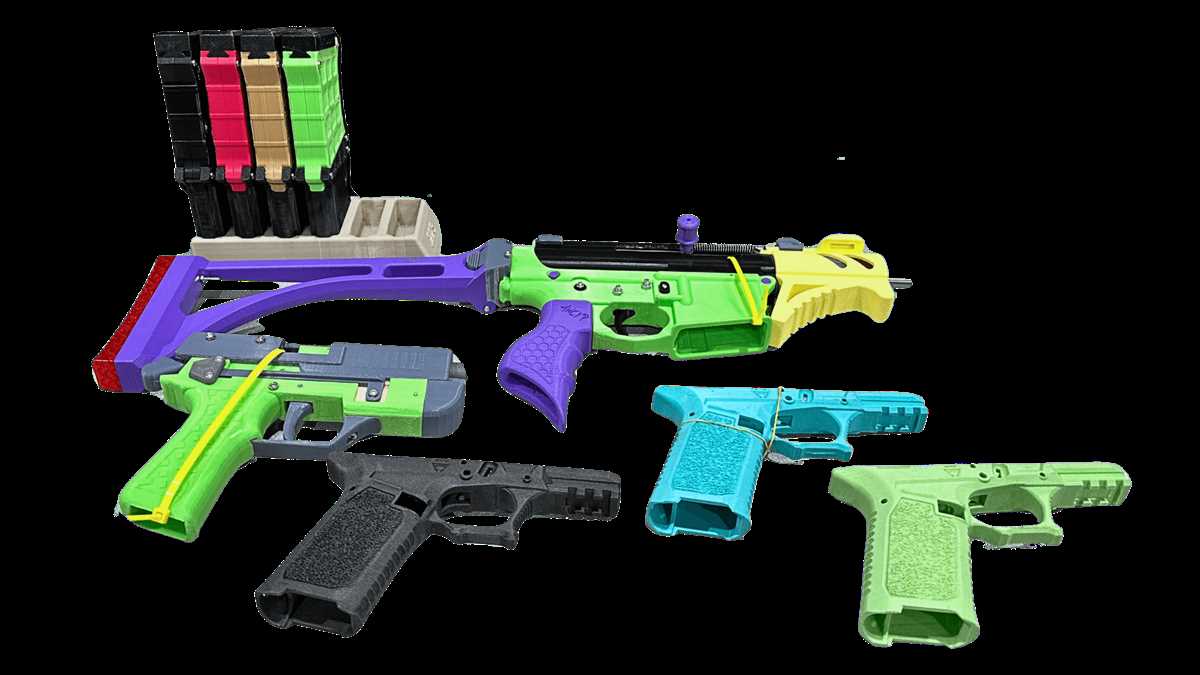
Experienced builders might want to experiment with custom modifications, such as adding reinforced components or adjusting the trigger mechanism for a better user experience. You can alter existing models to suit your preferences, improving either aesthetics or functionality, but this requires an in-depth knowledge of firearm construction and 3D modeling software.
Testing and Safety
Once all components are printed and assembled, testing is a crucial step. Begin with safety checks, including verifying the structural integrity of each part. Also, test for functionality in a controlled environment to avoid accidents. Even with precise models, there’s always a risk of malfunction due to the nature of homemade firearms.
Resources for Finding Digital Firearm Models
While some resources offer free models, it’s important to verify their quality and legality before downloading. Online communities dedicated to 3D printing may share these schematics, though always exercise caution when exploring unknown sources. It’s recommended to choose repositories with good reputations and those that clearly mark files with user feedback regarding reliability and safety.
- Trusted Platforms: Websites like Thingiverse or MyMiniFactory offer a range of models, but check user reviews and ratings before proceeding.
- Dedicated Firearm Communities: Some online forums specifically cater to firearm hobbyists who utilize 3D printers to design parts. These can be valuable resources, but again, ensure you are adhering to all applicable laws.
In summary, building a firearm through 3D printing is a highly complex endeavor that demands knowledge, skill, and caution. Always keep safety at the forefront and comply with all regulations to avoid potential legal consequences.
3D-Designed Firearm Models
Accessing files for 3D-printed firearms requires caution. First, ensure the chosen blueprint is compatible with your printer’s capabilities, especially in terms of size and material requirements. Certain designs, like plastic frames, often demand specialized, high-temperature filaments, which may not be standard for all home printers. Choose models that specify the types of materials they support, such as reinforced polymers or composite filaments, to avoid failures in the printing process.
Before starting the build, check the legality of manufacturing such items in your jurisdiction. Laws surrounding 3D-printed weapons can vary widely between countries, states, and regions. Many places have specific restrictions on producing functional firearms without proper licensing or oversight. Always ensure compliance with local regulations to avoid legal complications.
For a smoother build, select designs that come with clear, detailed instructions. Some files include step-by-step guidance on assembly, detailing parts such as the frame, trigger mechanism, and barrel alignment. Choosing models from reputable sources that have been tested by others can reduce errors and improve the overall quality of the assembled device.
While 3D technologies offer a degree of customization, be cautious of models that require complex modifications or post-printing machining. These types of designs may pose safety risks if not executed precisely. Rely on trusted resources and communities to verify the reliability of the blueprint you plan to use, and always prioritize safety during assembly and testing.