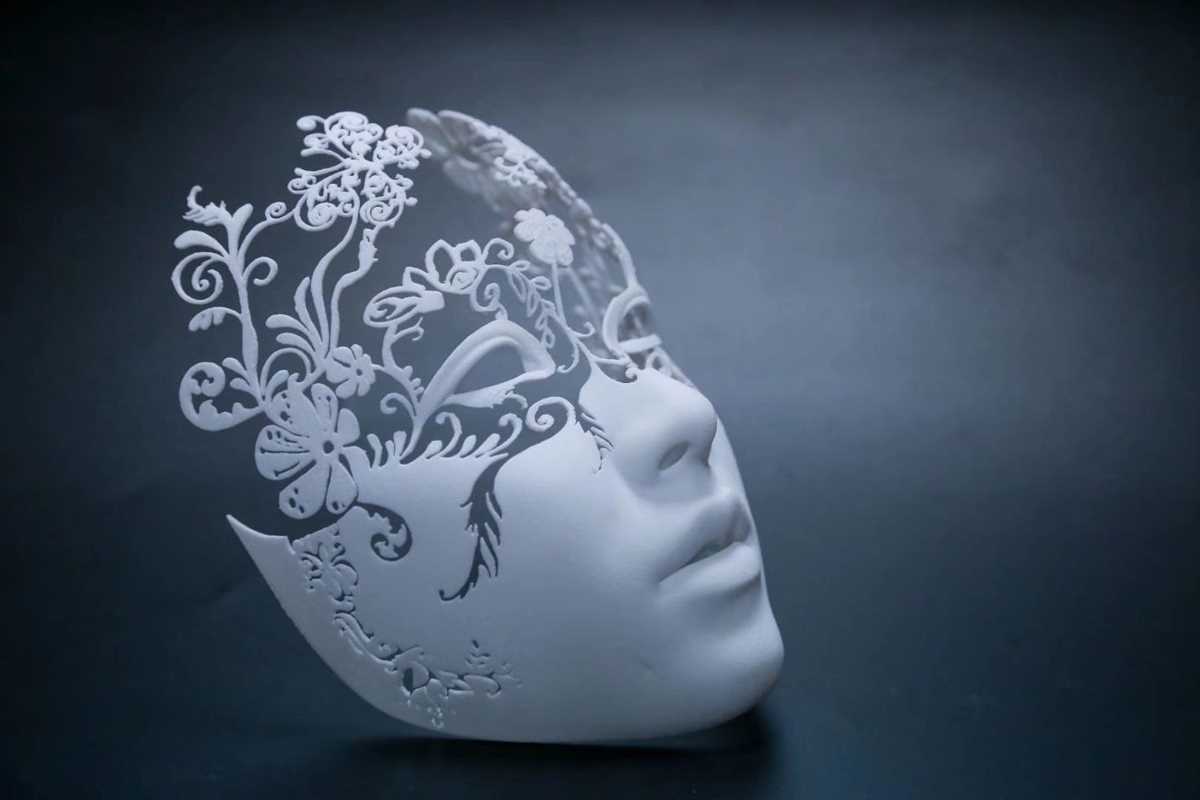
To create a detailed and durable face cover, start by selecting a high-quality design from reputable 3D model libraries. Websites like Thingiverse and MyMiniFactory offer a range of options, from simple designs to intricate, movie-inspired creations. Make sure to check the file’s specifications, such as print size and required supports, to ensure your printer can handle it. For a more customized design, you can modify an existing model using software like Tinkercad or Blender.
Choosing the Right Material for Your 3D Creation
When selecting a filament for 3D printing, consider using flexible materials like TPU (Thermoplastic Polyurethane) if comfort and fit are priorities. TPU is stretchy, making it ideal for creating pieces that need to fit snugly or move with your face. For rigid pieces, PLA (Polylactic Acid) is a good option, offering strength and ease of printing. If you’re aiming for a highly detailed design, ABS (Acrylonitrile Butadiene Styrene) provides durability and a smooth finish after post-processing.
Printing and Assembling Your Face Cover
Once your model is ready, ensure your printer settings are optimized for the chosen material. For flexible materials, a slower print speed and lower extrusion temperature are recommended. If you’re using PLA or ABS, set your printer to a higher resolution for fine details. After printing, you might need to assemble the parts, especially if the design is modular. Using small screws or adhesive can help with assembling components securely.
After assembly, consider post-processing steps like sanding rough edges, applying paint, or adding finishing touches such as decorative elements. This final step can elevate the appearance and comfort of your face cover, making it not just a functional item but a stylish accessory or part of your costume.
Creating Custom Face Covers with 3D Printing
Start by selecting a high-quality 3D model from trusted repositories like Thingiverse or MyMiniFactory. Make sure the model suits your intended purpose, whether it’s for a costume, cosplay, or practical use. Choose models with clear print instructions and support structures for easy assembly and finishing touches. Check the specifications of each design, including the size and detail level, to ensure it matches your printer’s capabilities.
For flexible fit and comfort, choose materials like TPU (Thermoplastic Polyurethane). TPU allows the object to stretch and conform to different face shapes, providing a snug, custom fit. If the design requires rigidity or intricate details, opt for PLA or ABS, as they hold their shape well and offer a smoother finish once post-processed.
Next, adjust your printer settings based on the material you’re using. Flexible materials like TPU should be printed at slower speeds and lower temperatures to prevent issues like warping or poor adhesion. For rigid designs, increasing the print resolution will help capture fine details in the model, ensuring a polished final product.
After your face piece is printed, focus on assembly. Many designs are printed in multiple parts, so make sure to carefully follow the assembly instructions. Use adhesive or small screws to hold parts together securely, depending on the design’s complexity. Pay attention to any small components that may need to be attached or adjusted after printing.
Once assembled, proceed with post-processing. For PLA or ABS designs, sanding the edges will help smooth out rough areas, and painting can be done to achieve a more refined look. Consider adding decorative elements like sequins, paint, or fabric to customize your piece further, making it unique to your style or project.
Testing the final product for fit and comfort is crucial. Put the piece on your face to check for any discomfort or tight spots. If necessary, adjust the design or printing settings for better comfort. If you’re making a costume or functional item, ensure that it is both comfortable and durable for long-term use.
Finally, consider the application. Whether you’re using your 3D creation for a performance, an event, or daily wear, having a practical design will enhance both comfort and durability. Make sure to explore different design styles and materials to find what works best for your needs, whether for artistic purposes or practical utility.