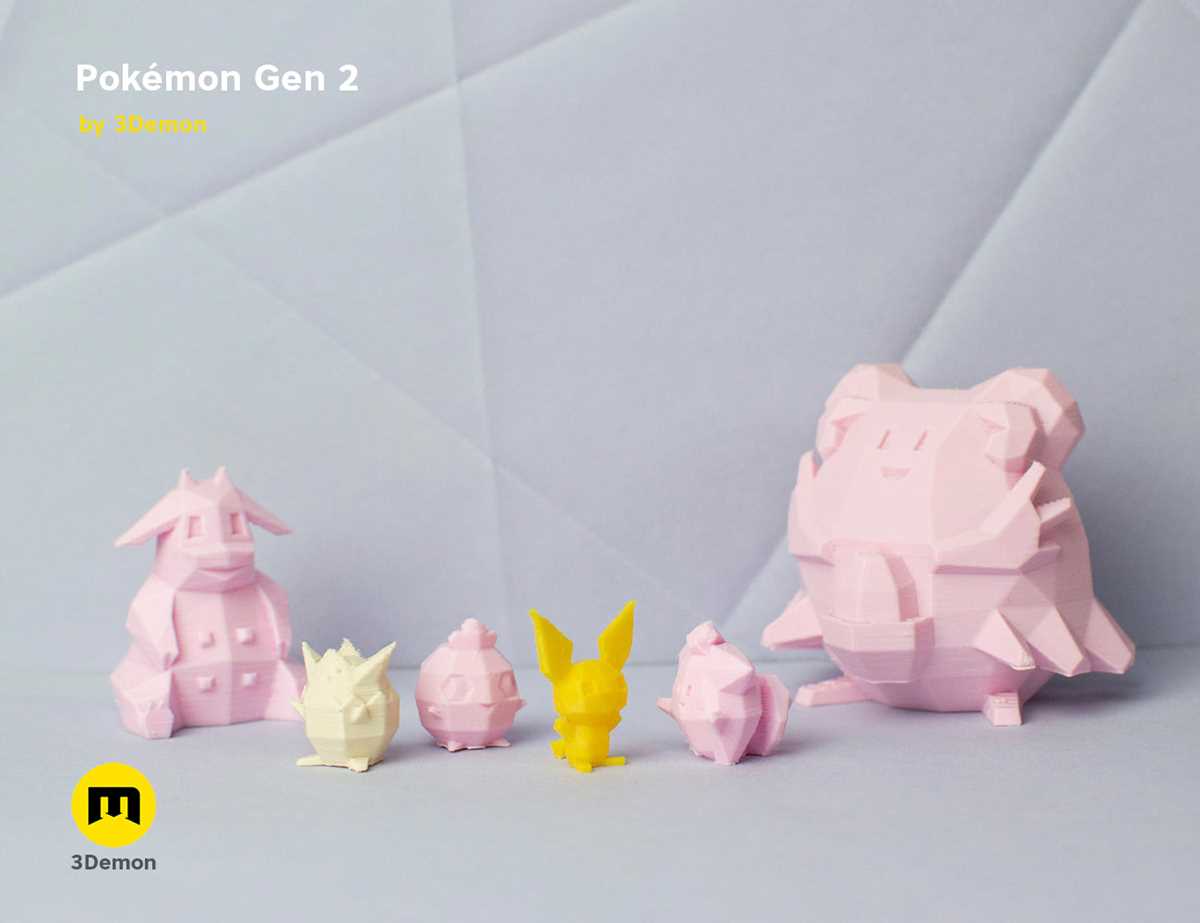
Key Designs and Popular Figures
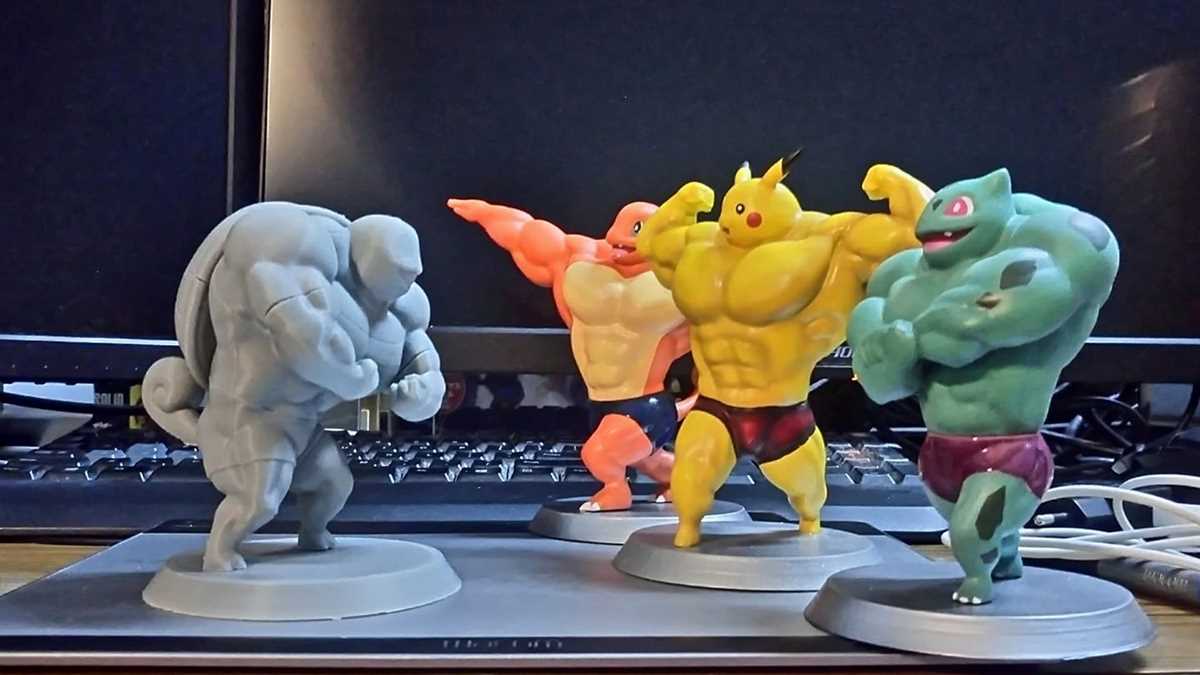
If you’re looking to create tangible representations of iconic creatures from the beloved world of fantasy, several 3D designs are easily accessible. Various online platforms offer models of well-known species in the form of digital files. These files can be transformed into physical items using modern 3D fabrication technology. Among the most sought-after designs are those of mythological creatures that have gained mass popularity over the years.
- Charizard: A fire-breathing dragon, perfect for those who want a detailed, dynamic model showcasing impressive wings and fiery postures.
- Bulbasaur: A plant-based creature with a charming, balanced structure, offering an excellent model for beginners looking to try their hand at detailed modeling.
- Pikachu: The small electric being is one of the most requested designs, with its recognizable yellow color and cute form making it ideal for figurine collectors.
- Snorlax: This giant, lazy creature has a calm demeanor that is perfect for a soothing piece that shows off the subtleties of smooth, oversized shapes.
Where to Find 3D Models
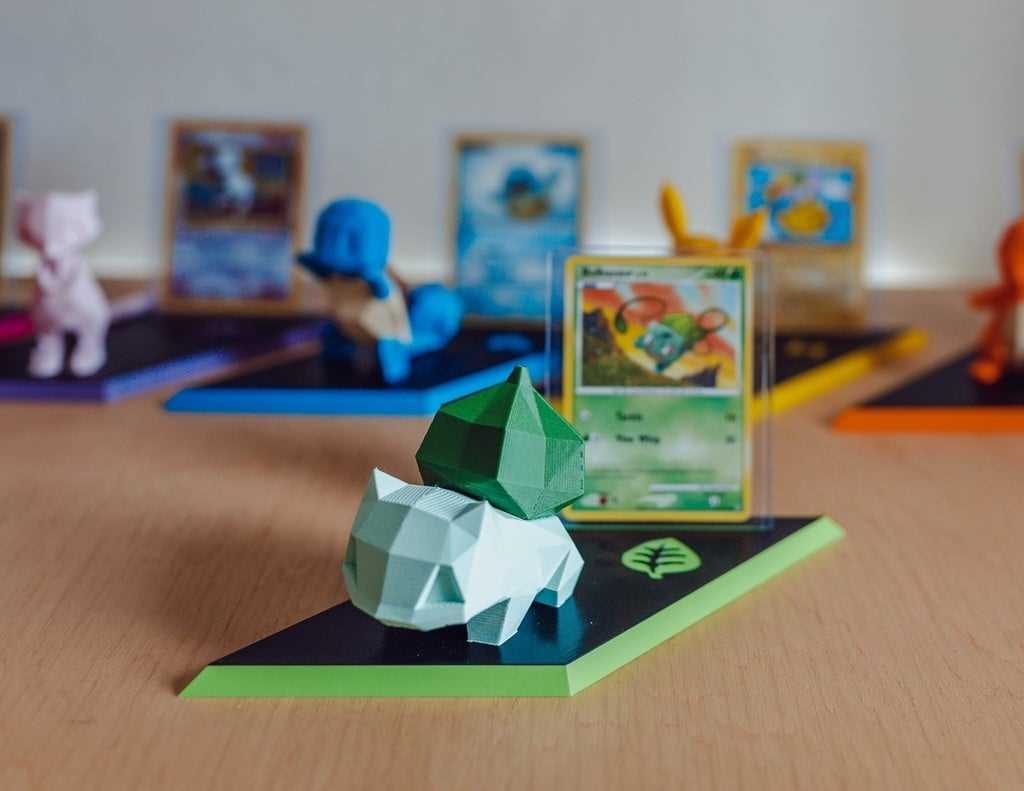
For those interested in crafting their own models, several online repositories host a variety of free and paid designs. Popular platforms include:
- Thingiverse: A community-driven site with a wide variety of models, including custom figures based on popular fantasy creatures.
- MyMiniFactory: Known for offering quality designs, this platform hosts thousands of 3D files specifically for collectors and crafters alike.
- Cults3D: Another excellent resource that provides access to high-quality models. Many artists upload their creations, ensuring a range of unique and artistic interpretations.
Designing Your Own Figures
For those who want a more personalized touch, creating custom designs is always an option. Popular 3D design software includes:
- Blender: Open-source and highly customizable, Blender is a powerful tool for both beginners and advanced designers looking to create unique models.
- Tinkercad: A user-friendly option for new 3D modelers, this online tool allows you to quickly design and print figures with ease.
- Fusion 360: Ideal for those looking for precision and detailed work, especially if you’re aiming for complex features and intricate textures.
Printing and Post-Processing Tips
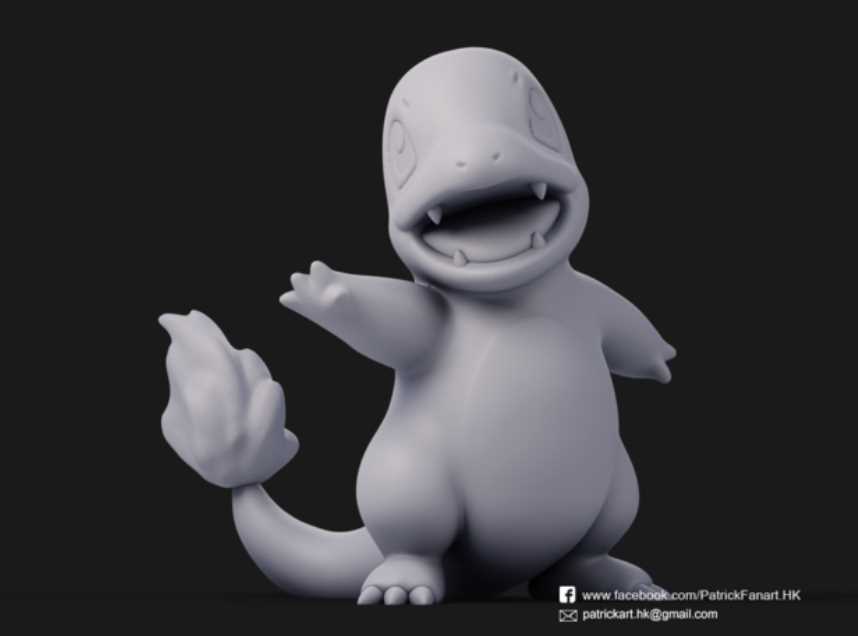
Once you’ve selected or designed your model, the next step is to print it. Depending on your printer, you can choose between various materials such as PLA, ABS, and resin. Each offers unique characteristics and is suited for different types of designs. Resin, for instance, is perfect for intricate detailing, while PLA is more forgiving for larger figures.
Post-Processing
After printing, several steps can enhance the appearance of your model:
- Sanding: Smooth out rough areas and edges for a more polished look.
- Painting: Use specialized paints designed for 3D-printed surfaces to bring your figures to life with color.
- Sealing: Apply a protective layer to preserve the finish, especially if the model will be handled often.
By following these tips, enthusiasts can not only create unique items but also explore their creativity, contributing to an ever-expanding collection of physical, handcrafted pieces inspired by fantasy creatures.
Creating Your Favorite Characters in 3D
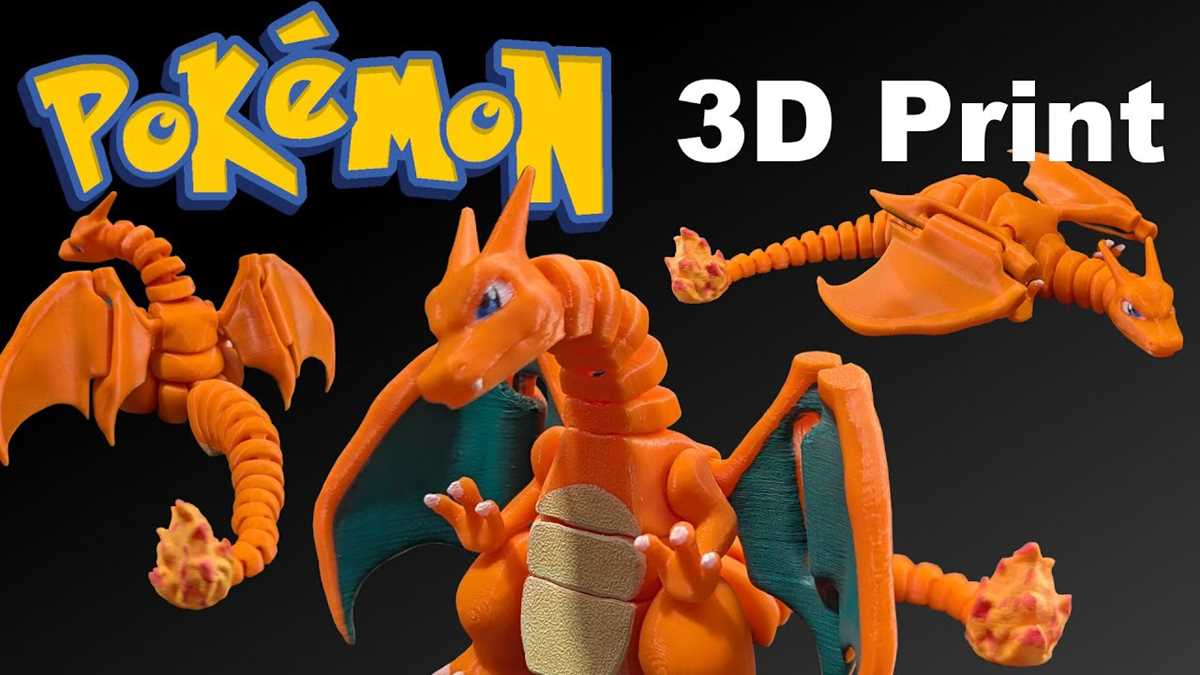
Start by choosing models with clear geometries for easy modification. Character figures with distinct shapes and features–such as the classic creatures–are excellent choices for 3D design. Detailed designs can be scaled for accuracy while simplifying the internal structure to ensure the model holds up during the printing process.
Ensure the model is designed with the right dimensions. Measurements play a key role when resizing characters for different display purposes. A larger model will capture intricate details, while smaller figures should avoid overly fine features that could cause difficulty in reproduction.
Pay attention to the mesh quality. If a model has inconsistent surfaces or non-manifold geometry, it can cause errors during the conversion process. Use software tools that detect these issues and make necessary adjustments. This will prevent any printing failures and enhance the final output’s appearance.
Check for compatibility with your printing technology. Some characters may require more support than others, depending on the material or method used. For instance, flexible filament may be ideal for soft characters, while resin printing suits rigid designs with sharp details.
Finally, always make sure to download models from trusted sources or create your own from scratch. Crowdsourced repositories often contain fan-made figures, but be cautious about the licensing or usage rights associated with these digital files. The key is balancing quality and legality for a seamless creation experience.