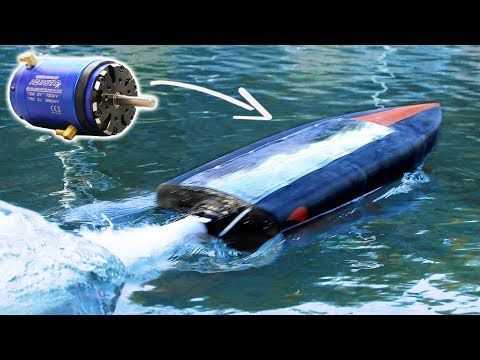
To create a 3D-printed remote-controlled watercraft, begin with selecting the appropriate design files. Numerous online repositories offer models designed for this purpose. Ensure the design matches your preferred size and functionality, such as speed or stability on water.
Key Design Features
The hull design is essential for watercraft performance. A streamlined shape reduces drag, allowing for smoother navigation. Pay attention to the inclusion of water-resistant compartments, as well as mounting spots for the electronic components like the motor and battery.
Material Considerations
When selecting filament, opt for water-resistant and durable materials like ABS or PETG. These materials handle exposure to water and potential impacts. Ensure you print with appropriate layer bonding to avoid warping and reduce chances of water damage during usage.
Motor and Electronics Setup
Choose a motor with adequate thrust to propel your craft at your desired speed. A typical setup for these models includes a small brushless motor, a waterproof ESC (electronic speed controller), and a sealed battery compartment to prevent water damage. Ensure all wiring is insulated and sealed to avoid malfunctions due to moisture.
Assembly and Testing
Assemble your craft by carefully attaching each component. Ensure that all parts fit snugly together, particularly the motor and rudder mechanisms, to avoid any unnecessary movements during operation. Once everything is in place, conduct a dry test to verify that the electronics are functioning properly.
Water Trials
Once the dry tests are successful, take your creation to a calm water body for the first test run. Check for any imbalance or sluggishness in speed. Fine-tune the motor placement or adjust the weight distribution of the craft if necessary to achieve optimal performance.
With these steps, you can effectively create a functional 3D-printed remote-controlled watercraft, tailored to your specifications. The process allows for creativity while maintaining practical functionality on water.
Designing a Custom Remote-Controlled Vessel
When designing a custom remote-controlled vessel, the first step is to select a sturdy material that will ensure longevity and resilience in water. Most hobbyists prefer using PLA or ABS filaments due to their balance of ease of use and durability. A strong, lightweight frame is crucial for stability and performance, so consider designs that feature sleek contours for better hydrodynamics. Ensure that the hull is designed with water displacement in mind, allowing the craft to glide smoothly on the surface.
For the propulsion system, choose reliable motors and propellers that suit the size and weight of your model. Integrating waterproof compartments to house the electronics will prevent damage from water exposure. Testing the design in small bodies of water will give you insights into adjustments for handling and speed. You can modify components like the rudder for greater maneuverability, and fine-tune the overall layout for optimal control and speed response during testing.