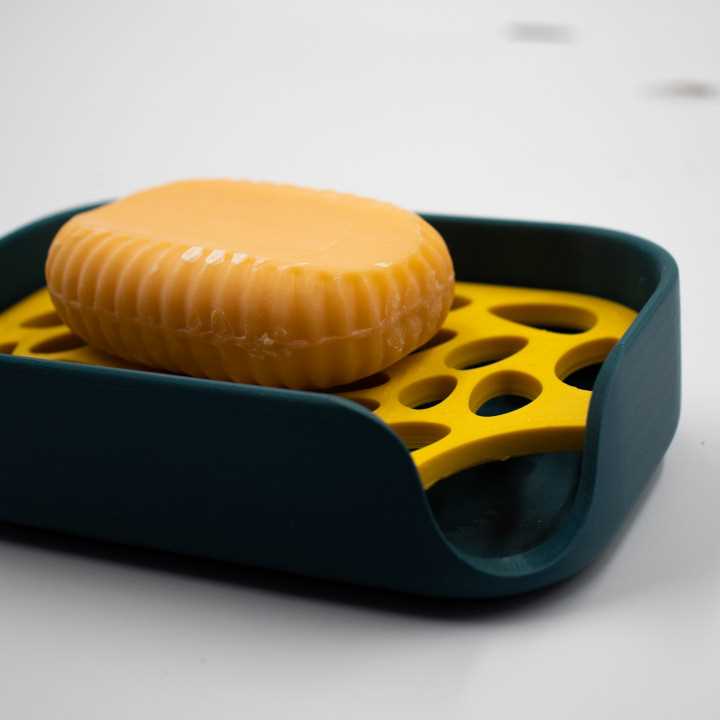
Why 3D Technology is Transforming Custom Hygiene Products
For those seeking customization in their daily hygiene routine, utilizing 3D printing opens the door to unique, personalized designs for everyday essentials. With this technology, individuals can craft distinct shapes, textures, and sizes to suit their specific needs. Whether you’re designing a unique shape for your cleaning bars or creating a functional tool with intricate patterns, 3D printing allows for full creativity in personal care product development.
Benefits of Creating Custom Hygiene Tools with 3D Printing
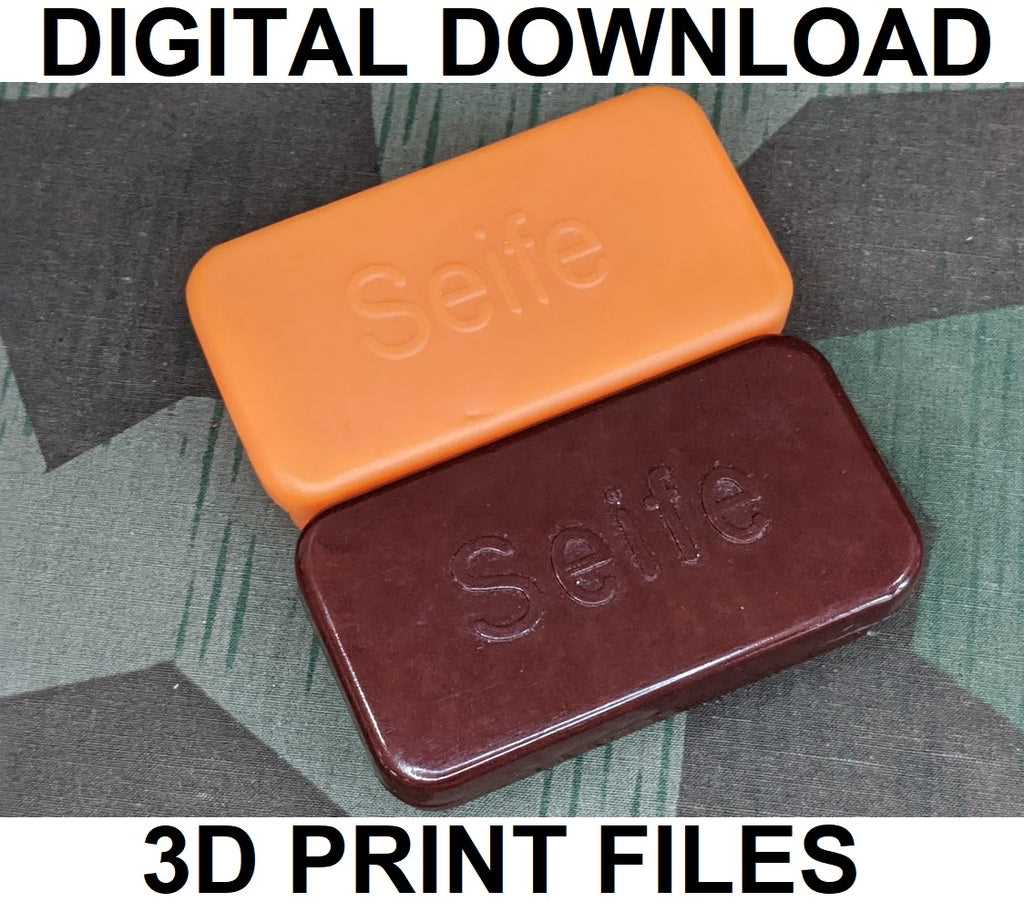
- Tailored Shapes and Sizes: Design products that fit comfortably in your hand or meet specific ergonomic needs.
- Innovative Surface Textures: 3D models allow you to include various textures to enhance grip or provide a more enjoyable user experience.
- Eco-Friendly Alternatives: The ability to create zero-waste or minimal-waste products with 3D-printed materials contributes to sustainability efforts.
- Cost-Effectiveness: 3D printing can reduce the need for mass production, potentially lowering the cost of personalized care items.
Materials to Consider for Your 3D-Printed Tools
When choosing materials for creating these items, it’s vital to select those that are safe and durable. The most common types include:
- Food-Grade Plastics: Safe for personal hygiene tools and easy to mold into various shapes. Look for filaments like PLA or PETG.
- Resins: For more precise details and smoother finishes, resins are ideal, although they may need additional curing post-printing.
- Biodegradable Materials: Some biodegradable filaments, like PHA, offer environmentally friendly options while still being durable enough for personal use.
Tips for Successful 3D Printing of Hygiene Products
- Test the Fit: Always test the fit of your design before committing to larger production, as even slight size variations can make a difference in comfort.
- Surface Finish: Post-processing techniques such as sanding, polishing, or coating can help achieve smoother surfaces for a more pleasant feel.
- Durability Considerations: Ensure the material selected can withstand frequent use and cleaning without degrading or losing functionality.
Potential Uses of 3D-Printed Hygiene Tools
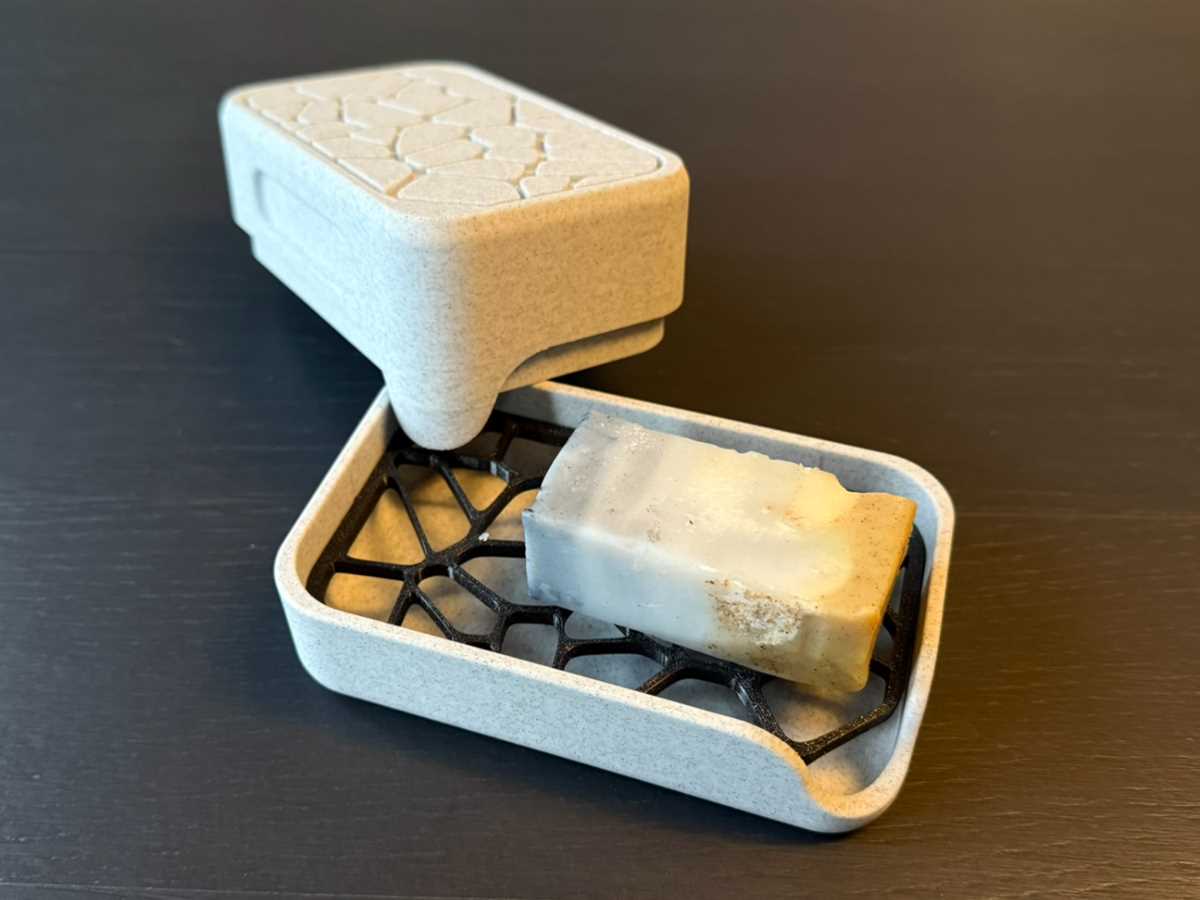
Designing custom hygiene items opens up a multitude of possibilities, including:
- Shaped Cleaning Tools: Personalized forms for better usability, whether it’s a specific handle or a shape that conforms to your routine.
- Personalized Holders: Custom holders for daily items can add aesthetic value and improve functionality with compartments or easy-grip features.
- Gift Ideas: 3D-printed hygiene accessories make for thoughtful, one-of-a-kind presents, especially when customized with names or logos.
3D Moldable Cleansing Bars: New Approaches for Home Crafting
For creating intricate, customized cleansing bars, use a high-quality thermoplastic material designed for home molding. A flexible filament like PLA or TPU works best for those who want to craft in precise, detailed designs. These materials offer excellent moldability and can be adjusted to produce softer or firmer textures as desired.
Thermoplastics hold their shape well, even under moist conditions, and can be shaped into complex geometries with ease. Experimenting with temperature settings on your machine is key–lower temperatures result in a more pliable structure, while higher settings solidify it quicker for a faster output. Consistent temperature control ensures a uniform texture across all parts.
For designing, start by choosing the appropriate 3D modeling software. Tools like Blender or Tinkercad offer simple interfaces for beginners, while Fusion 360 is ideal for more advanced users seeking precision. Ensure your file is properly calibrated to avoid unnecessary warping or imperfections during the final process.
For those looking to incorporate fragrance or other additives, consider mixing essential oils directly into the mold. This can infuse your product with a pleasant aroma that will persist throughout use. Be cautious, as some filaments might not blend well with oils–test small batches before committing to larger quantities.
Adjusting the density of the mold allows for the creation of softer or firmer textures. Softer molds can produce a more delicate feel on the skin, while denser ones offer durability and longevity. To enhance the appearance, integrate various textures like swirls or patterns directly into the design, offering both functionality and aesthetics.
To achieve a smooth finish, post-processing steps such as sanding and polishing are essential. This removes any excess material and refines the product, giving it a professional look. Some prefer to lightly coat the exterior with a thin layer of transparent sealing gel to enhance durability and texture retention.
For a sustainable alternative, choose biodegradable filaments, which break down over time without leaving harmful residues. These eco-friendly materials allow users to enjoy the customization and utility of 3D molds while minimizing environmental impact.
Testing the final product is crucial for ensuring that it meets your expectations. Trial runs with small quantities help gauge the texture, fragrance, and overall durability. This step guarantees a polished result that satisfies both functional and aesthetic requirements.