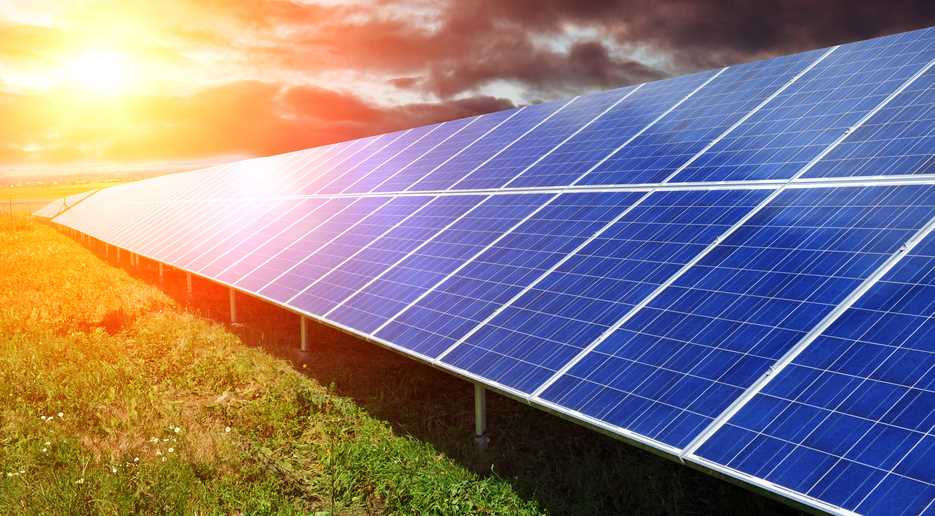
3D technologies are transforming the renewable energy sector by enabling the creation of more cost-effective and customizable energy collection units. By integrating additive manufacturing techniques, these devices are being optimized for various environments, allowing for a range of applications from small residential projects to large-scale energy systems.
Customizable Structures for Enhanced Performance
Through the use of 3D technology, it’s possible to design components with intricate geometries that traditional manufacturing methods cannot achieve. This allows for better integration of the energy collector into different types of structures, improving overall performance. Customization is not just about shape but also about material choice, optimizing efficiency according to environmental conditions. Some materials are particularly well-suited to outdoor conditions, offering resistance to heat, moisture, and UV radiation, thus extending the lifespan of energy generation systems.
Optimizing Materials for Maximum Efficiency
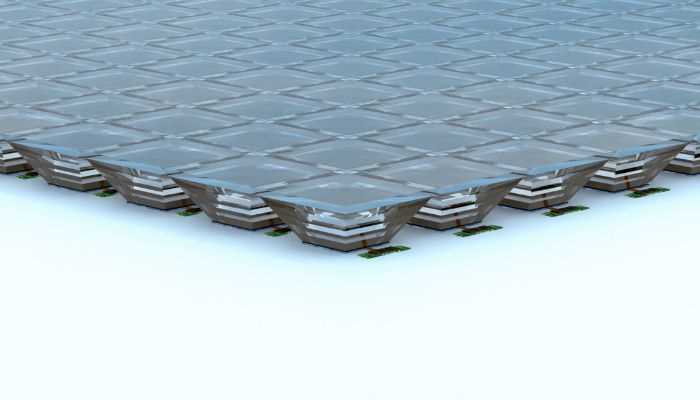
When creating energy collection units using 3D printing, selecting the right materials is critical. Advanced thermoplastics, metal alloys, and even recycled materials can be tailored to meet specific energy conversion needs. These materials can also be designed to support lightweight and durable structures that are capable of withstanding harsh weather without compromising energy output. Research is continually evolving, and new, more efficient composite materials are emerging, further enhancing the practicality of these structures in various climates.
Reducing Waste and Lowering Production Costs
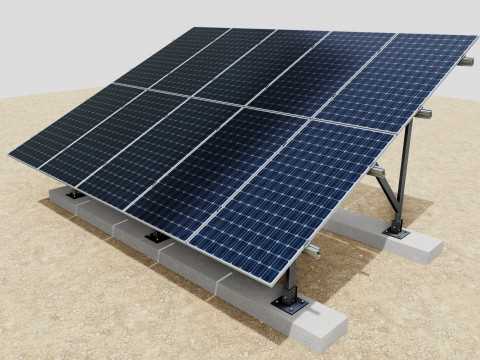
Another advantage of 3D manufacturing is its ability to minimize waste. Traditional manufacturing processes often involve excess material that is discarded, whereas 3D production methods use only the exact amount of material required, reducing environmental impact. Additionally, the production time for parts is significantly reduced, lowering manufacturing costs and making it easier to produce energy collection systems on a smaller scale or for localized needs. These efficiencies have the potential to make renewable energy more affordable and accessible to a wider audience.
Future Trends in 3D-Based Energy Solutions
As 3D technologies continue to evolve, more sophisticated and sustainable solutions are expected to emerge. The next steps involve integrating sensors and smart technologies that can allow these energy collection systems to become self-optimizing, adjusting based on weather patterns or energy demand. With more industries adopting 3D manufacturing, we are likely to see an increase in hybrid designs, where traditional energy collection methods are enhanced with 3D-printed components, maximizing their capabilities and lifespan.
The integration of 3D technologies into energy systems not only provides performance benefits but also supports efforts towards a more sustainable and resilient energy future. As innovation continues, the ability to produce highly efficient, low-cost, and customizable energy solutions will further drive the adoption of renewable resources across various sectors.
3D-Printed Energy Collectors
3D-printed energy collectors represent a breakthrough in creating low-cost, customizable energy-generating structures. By utilizing advanced 3D printing technology, manufacturers can produce structures that maximize energy capture efficiency, reduce material waste, and lower production costs. The ability to design intricate shapes and layouts increases the potential for energy conversion and overall performance.
One of the most promising benefits of this method is the potential for on-demand production. Users can design or adapt structures that fit specific environments, from residential rooftops to large-scale industrial applications. Customization allows for tailored energy solutions, ensuring maximum energy harvesting potential based on location and system needs.
Another key advantage is the use of lightweight materials. With 3D printing, it’s possible to experiment with innovative composites that offer enhanced durability and reduced weight compared to traditional construction materials. This not only lowers production costs but also opens the door to deploying energy collectors in more challenging locations, such as remote areas or on portable units.
Incorporating organic materials into 3D-printed structures is another exciting development. Researchers are investigating bio-based filaments and conductive polymers, which could provide eco-friendly alternatives to traditional plastic or metal-based components. These materials, while still in early stages of development, promise a new wave of sustainable, efficient energy collectors.
The flexibility of 3D printing also aids in creating hybrid systems. For example, integrating energy storage systems directly into the 3D-printed structure allows for more compact designs and seamless integration with local grids. By reducing the need for separate storage solutions, this innovation has the potential to decrease the overall system cost and improve reliability.
As the technology matures, 3D-printed energy collectors are expected to become more widely available and affordable. Continued advancements in printing techniques, material science, and energy conversion efficiency will likely drive their adoption in both residential and commercial energy applications. With each improvement, the potential for these structures to play a significant role in global energy solutions increases.