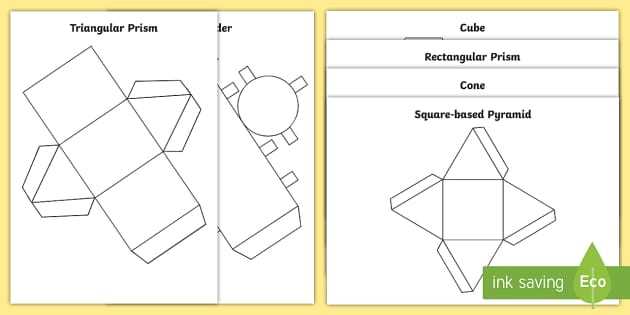
To introduce geometry concepts, start with printing geometric models that kids can cut, fold, and assemble. These hands-on activities provide a tactile way for them to explore 3D forms like cubes, pyramids, and spheres. Ensure the designs have clear fold lines and matching parts to make construction easier and more enjoyable.
Creating and Assembling Geometric Models
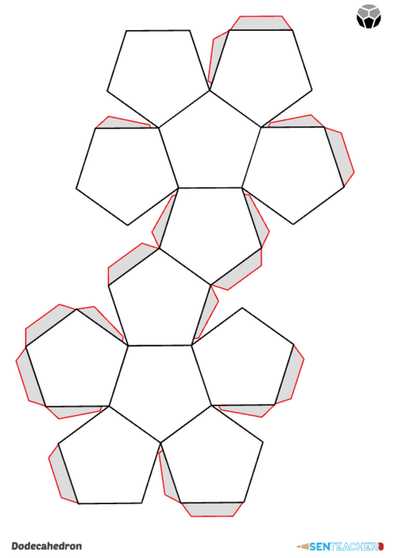
When selecting templates, focus on those that include basic geometries first. Begin with simple shapes such as cubes and rectangular prisms. These are ideal for beginners as they provide a foundation for understanding more complex objects later on. If your child is comfortable, move on to more complex forms like tetrahedrons or octahedrons.
- Print templates on thicker paper or cardstock for better durability.
- Provide scissors and glue or tape to help assemble the pieces.
- Label each face of the shape to enhance understanding of each side.
Once the model is built, ask your child to identify properties like edges, faces, and vertices. This reinforces their understanding of the geometry concepts at play and helps them connect the 2D representations to 3D forms.
Incorporating Geometry into Interactive Learning
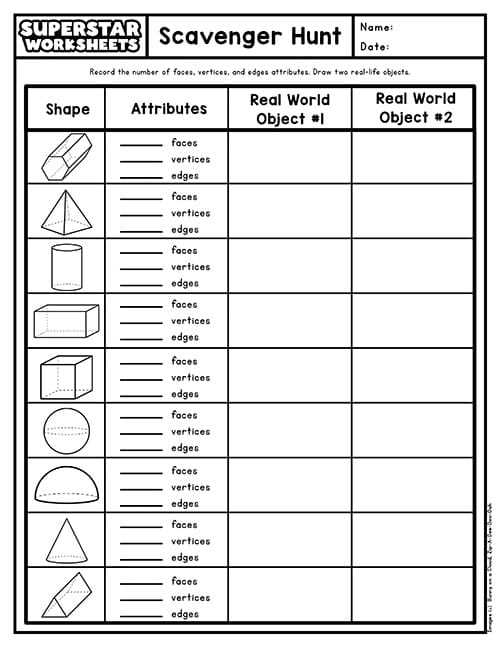
After assembling a model, you can turn learning into an interactive activity by discussing its attributes. For instance, try asking questions like, “How many edges does this shape have?” or “What makes this object different from a cube?” This engages children and encourages them to think critically about spatial relationships.
- Use colored markers or stickers to visually highlight the different features.
- Challenge children to build more complex shapes from the basic ones they’ve already mastered.
- Combine multiple objects to create new hybrid structures, such as a pyramid on top of a cube.
For even more engagement, you can incorporate digital tools that allow children to manipulate the shapes on a screen. This provides an additional layer of interaction and deepens their understanding of geometric concepts.
By gradually increasing the complexity of the objects they assemble, children will not only improve their hand-eye coordination but also gain a deeper appreciation for the world of geometry. These activities make learning enjoyable and foster a sense of accomplishment with every completed model.
3D Geometry Models for Hands-On Learning
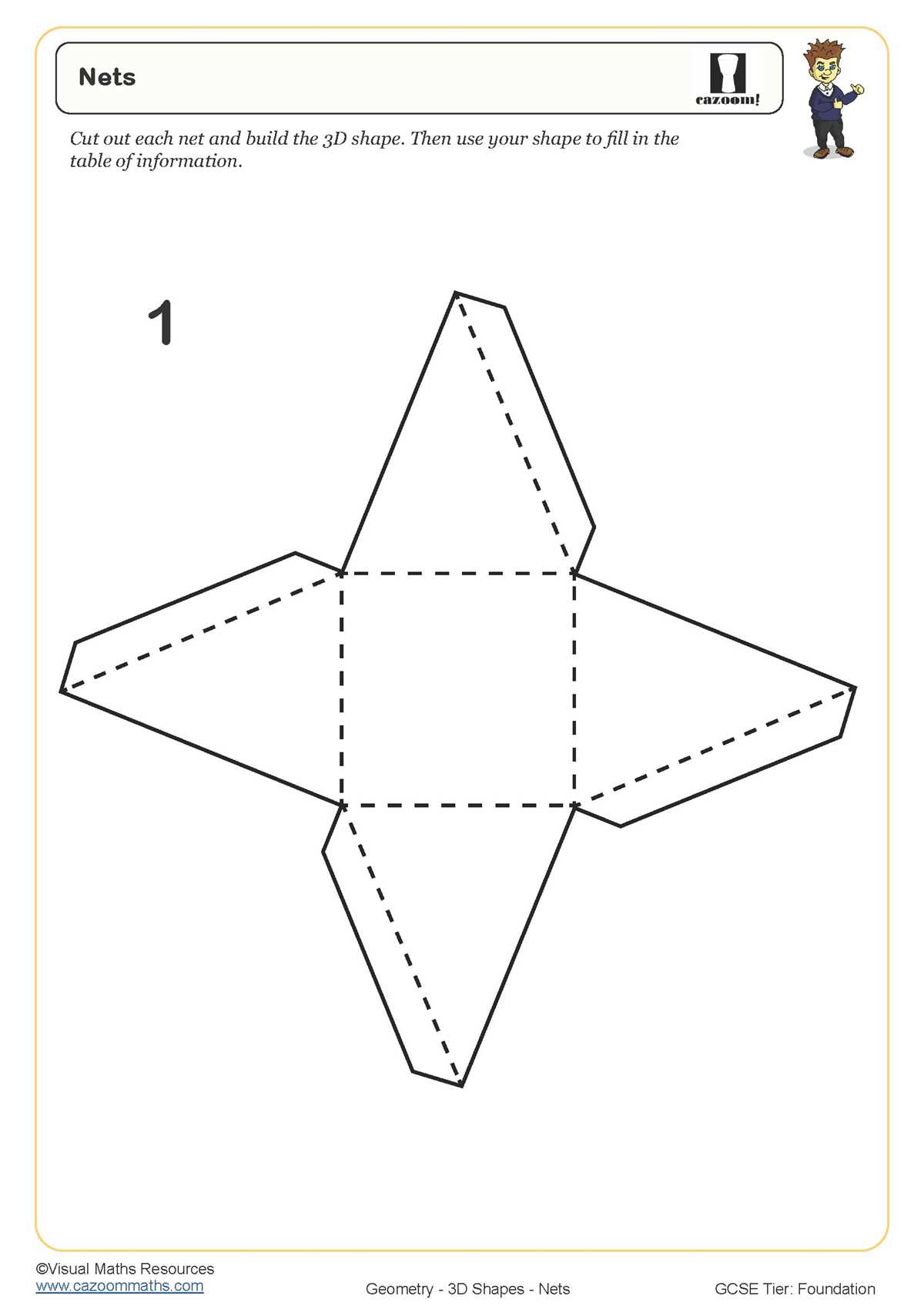
Start with basic geometric designs like cubes and pyramids, which are easier for beginners to understand. These can be printed on regular paper, cut out, and assembled into physical models. Make sure the cut-out sections have clear fold lines and labels to help with assembly. Using thicker paper, such as cardstock, will provide durability for extended use.
For more advanced learners, consider printing objects like tetrahedrons, octahedrons, or dodecahedrons. These more complex forms help children understand spatial reasoning and the relationships between different types of solid figures. They also encourage kids to visualize 3D structures and understand the concept of faces, edges, and vertices.
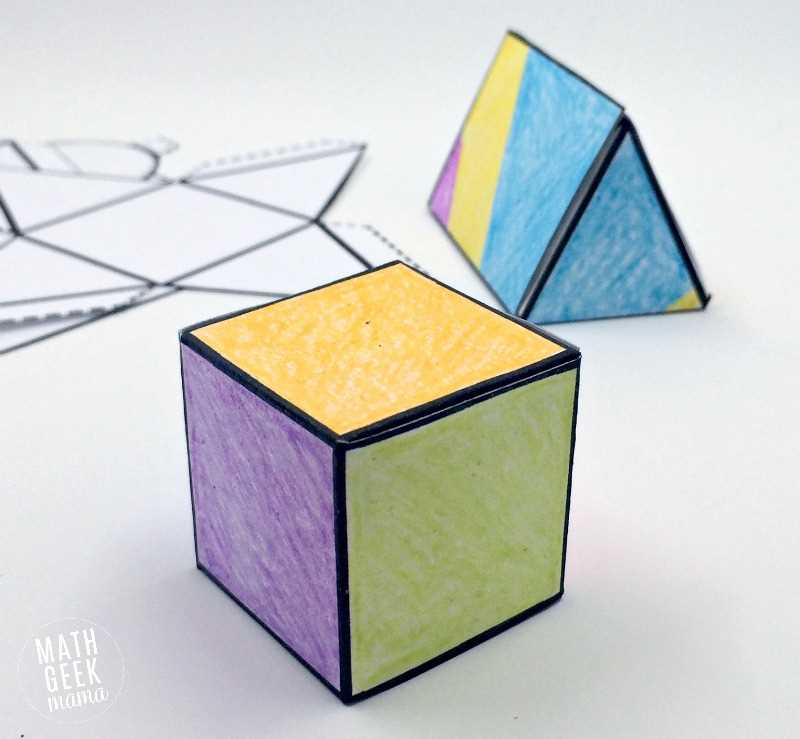
Incorporating color into the printed models can add an extra layer of interactivity. Color-code different faces or features of each object to help with identification and understanding. This technique can also make the models more visually appealing and enjoyable to work with.
In addition to 3D geometry models, consider including base templates for children to create their own figures. Provide empty spaces or outlines where they can draw or add additional faces to form unique objects. This allows for creative expression while reinforcing geometric concepts like symmetry and proportionality.
Once a model is assembled, ask children to describe its properties. Challenge them with questions like, “How many faces does this object have?” or “What are the differences between this shape and a cube?” This reinforces their understanding of the properties of solids and encourages critical thinking.
After mastering simple objects, you can create combinations of shapes to form more intricate structures. For example, place a pyramid on top of a cube to create a new object. This hands-on approach helps deepen the understanding of how different 3D objects can work together in the physical world.
Lastly, to keep children engaged, periodically introduce new models that increase in difficulty. Begin with simple ones and gradually progress to more complex designs as they build their skills. This incremental approach helps maintain interest while ensuring they develop a solid understanding of geometric principles.