
Start by identifying quick actions you can take to regain control in moments of tension. Try writing down three things you’re grateful for in a journal. This small practice can immediately shift your mindset and help clear your thoughts. Also, remember to pause and take three deep breaths, focusing on your inhales and exhales to reduce feelings of overwhelm.
Simple Techniques to Rebalance During Stressful Moments
When you feel emotions escalating, it’s important to use strategies that ground you quickly. Here are a few methods that can be applied on the spot:
- Breathing Exercises: Use deep belly breathing to calm your nervous system. Breathe in for four counts, hold for four counts, and exhale for four counts. Repeat until your heart rate slows.
- Body Scanning: Close your eyes and mentally scan your body from head to toe, noticing areas of tension and consciously relaxing them.
- Change of Environment: Step outside for a few minutes if possible. A change in scenery, even briefly, can have a profound effect on your mood.
- Grounding Techniques: Focus on your senses. Name five things you can see, four things you can touch, three things you can hear, two things you can smell, and one thing you can taste.
Simple Physical Activities
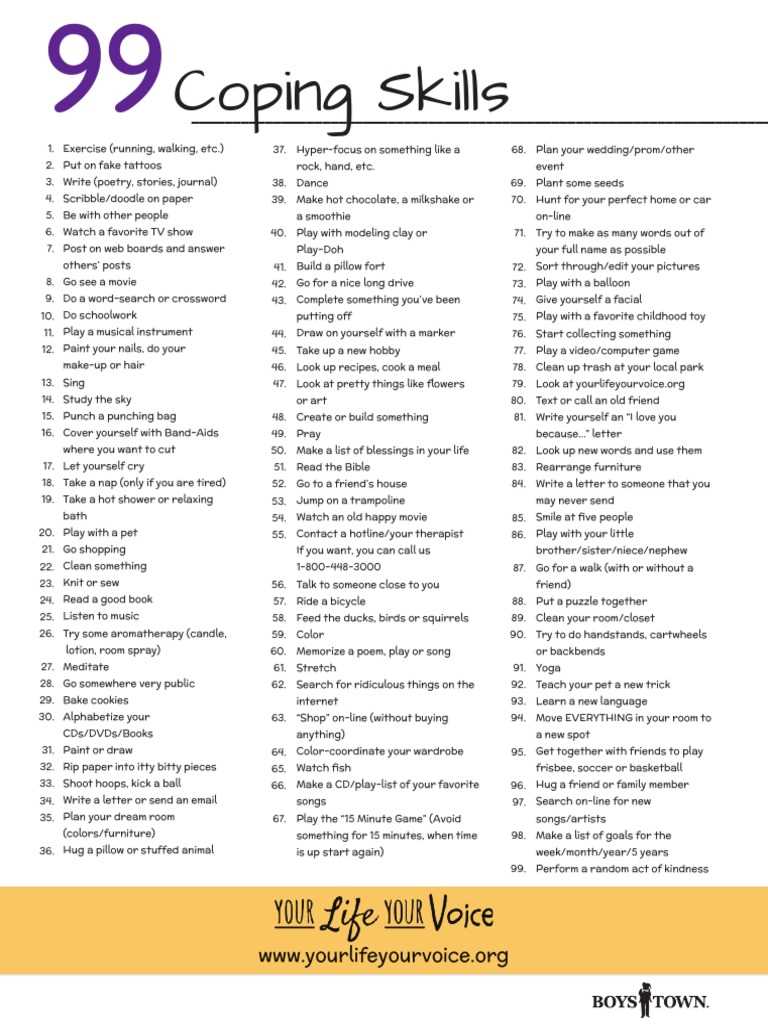
Physical movement is a powerful tool in reducing stress. A few options to consider:
- Stretching: Simple stretches, like reaching for your toes or neck rolls, help release built-up tension.
- Walking: A short walk, even around the house or office, can stimulate endorphins and improve focus.
- Progressive Muscle Relaxation: Tighten and then release each muscle group, starting from your toes and working your way up to your head.
Longer-Term Techniques for Emotional Resilience
While quick fixes are important, developing longer-term habits can significantly improve emotional well-being. Consider these practices:
- Mindfulness Meditation: Set aside a few minutes each day to sit quietly and focus on your breath. This can improve focus and emotional stability over time.
- Consistent Exercise: Regular physical activity helps regulate stress hormones and improves overall mood. Aim for at least 30 minutes a day.
- Healthy Social Connections: Stay connected with friends or family who provide positive support. Social interaction is crucial for mental well-being.
Try keeping a small list of go-to methods that you find helpful, and keep it accessible. Whether it’s a journal entry, a set of breathing exercises, or a short walk, having a plan can make it easier to manage stress when it arises.
99 Methods for Managing Stress and Emotions
Begin by identifying one quick action you can take whenever tension arises. For instance, try pausing for a few seconds, then breathing deeply and slowly to regulate your heart rate. This simple technique can quickly center your mind and body.
Another strategy involves writing down your thoughts in a journal. Documenting your feelings allows you to externalize your emotions, helping you gain perspective and reduce the weight of overwhelming thoughts.
During high-stress moments, use grounding techniques like holding an ice cube in your hand or focusing on the sensation of your feet on the ground. These actions help refocus your mind on the present rather than ruminating on stressful thoughts.
If you feel a wave of anxiety coming on, step outside for a few minutes. The change in scenery, along with fresh air, can be calming and help clear your head. A short walk, even around your home, can help you break the cycle of stress.
Consider establishing a self-care routine. Regular activities, such as listening to calming music, reading, or taking a warm bath, can have a lasting effect on your emotional state. Make it a habit to engage in these practices, even when you’re not feeling overwhelmed, to build resilience over time.
Incorporate physical exercise into your routine, even if it’s just for 10 minutes. Physical activity, whether it’s a walk, yoga, or a short workout, can lower levels of stress hormones like cortisol, making it easier to cope with daily challenges.
Social support plays a big role in emotional regulation. Reach out to a friend, family member, or therapist when you need to talk. Having someone to listen and offer a different perspective can significantly lessen the burden of stress.
Lastly, try using affirmations or positive self-talk. Remind yourself that the situation is temporary and that you have the ability to handle it. Speaking kindly to yourself can shift your mindset and increase your confidence in managing difficult moments.