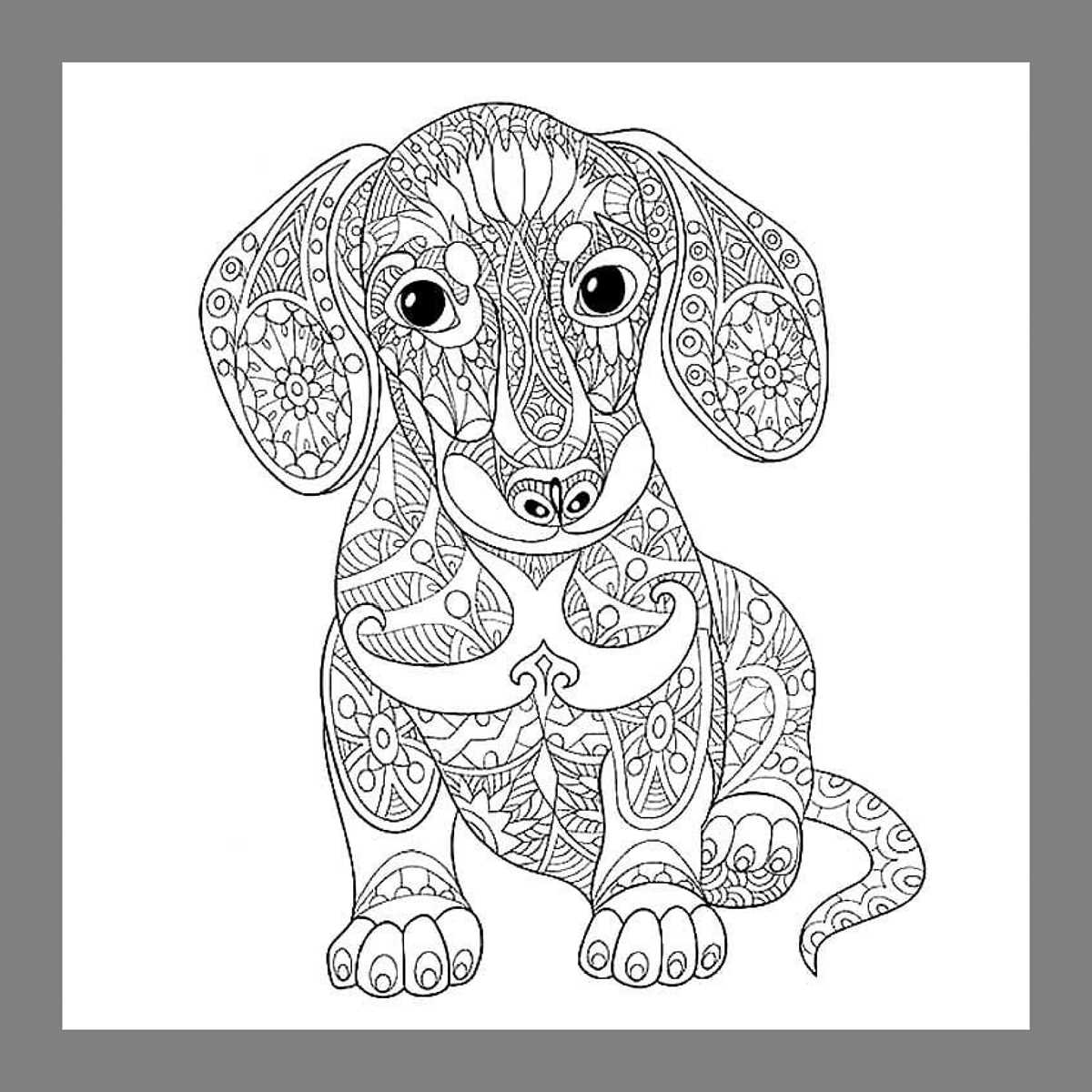
Download high resolution wildlife line art in PDF format at 300–600 DPI and print at 100% scale on A4 or Letter paper to keep intricate fur, feathers, and scale patterns sharp. Choose grayscale or black ink illustrations with clean vector outlines to prevent blurred details.
How to Select Detailed Wildlife Line Art
Pick illustrations with balanced complexity: dense mandala style patterns inside the silhouette combined with clear outer contours of at least 2–3 pt thickness. This allows precise pencil work without losing the overall shape of the creature.
- Forest mammals with layered fur textures for shading practice
- Bird designs featuring repeating feather motifs
- Marine life with flowing lines suited for gradient blending
- Large format portraits that fill 70–80% of the sheet
Avoid overly crowded compositions where background elements compete with the main subject. White space around the figure improves focus and reduces visual strain during long art sessions.
Paper and Printing Setup for Detailed Art
Use 160–200 gsm cardstock for alcohol markers to prevent bleed through, or 120 gsm smooth paper for colored pencils to support layering. Disable “fit to page” scaling and confirm margins of at least 0.25 inches to avoid trimming whiskers, horns, or tails.
Ink and Line Contrast
Select black ink mode rather than draft grayscale to keep outlines crisp. High contrast lines help separate complex patterns and make blending easier.
Reusable Format Option
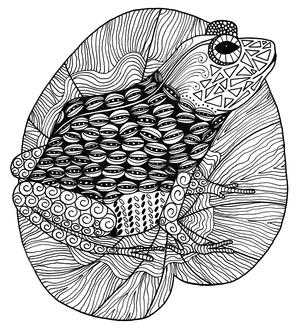
Insert detailed creature illustrations into transparent sleeves and use fine tip dry erase markers for repeated practice with color combinations before committing to permanent media.
Storage and Organization
Keep finished sheets flat in a portfolio folder to prevent warping. Separate themed sets such as jungle fauna, woodland species, and ocean dwellers for quick access during creative sessions.
Adult Coloring Pages Printable Animals
Choose detailed wildlife line drawings in vector PDF format at 300–600 DPI and print them on 160–200 gsm cardstock to preserve fine fur, feather, and scale textures. Select illustrations with outer contours of at least 2 pt thickness and intricate internal patterns that allow layered pencil shading or controlled marker blending.
Focus on full page creature portraits that occupy 70–80% of the sheet and leave a clean white margin of at least 0.25 inches to avoid trimmed edges. Use smooth paper for colored pencils to support gradual tonal transitions, or heavier stock for alcohol markers to reduce bleed through; disable automatic scaling and keep print size at 100% so whiskers, antlers, and tail tips remain sharp and proportional.