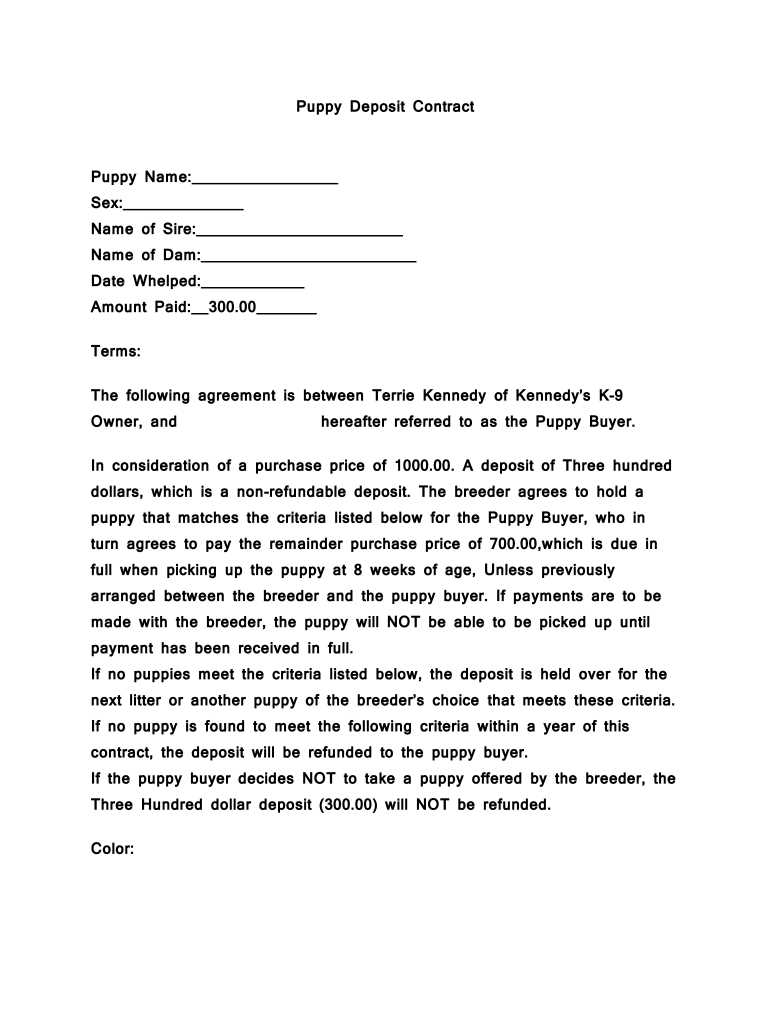
To ensure clarity and avoid potential misunderstandings between breeders and new owners, it’s crucial to have a well-defined, written document outlining expectations and responsibilities. This clear understanding can prevent disputes and guarantee the well-being of the animal for years to come.
Start by detailing the care standards, including veterinary visits, vaccinations, and proper living conditions. Establish the rights and duties of each party, specifying when the dog is allowed to be transferred to a new home and how the communication will be maintained. Explicit terms regarding the pet’s welfare can help protect both sides in case unexpected situations arise.
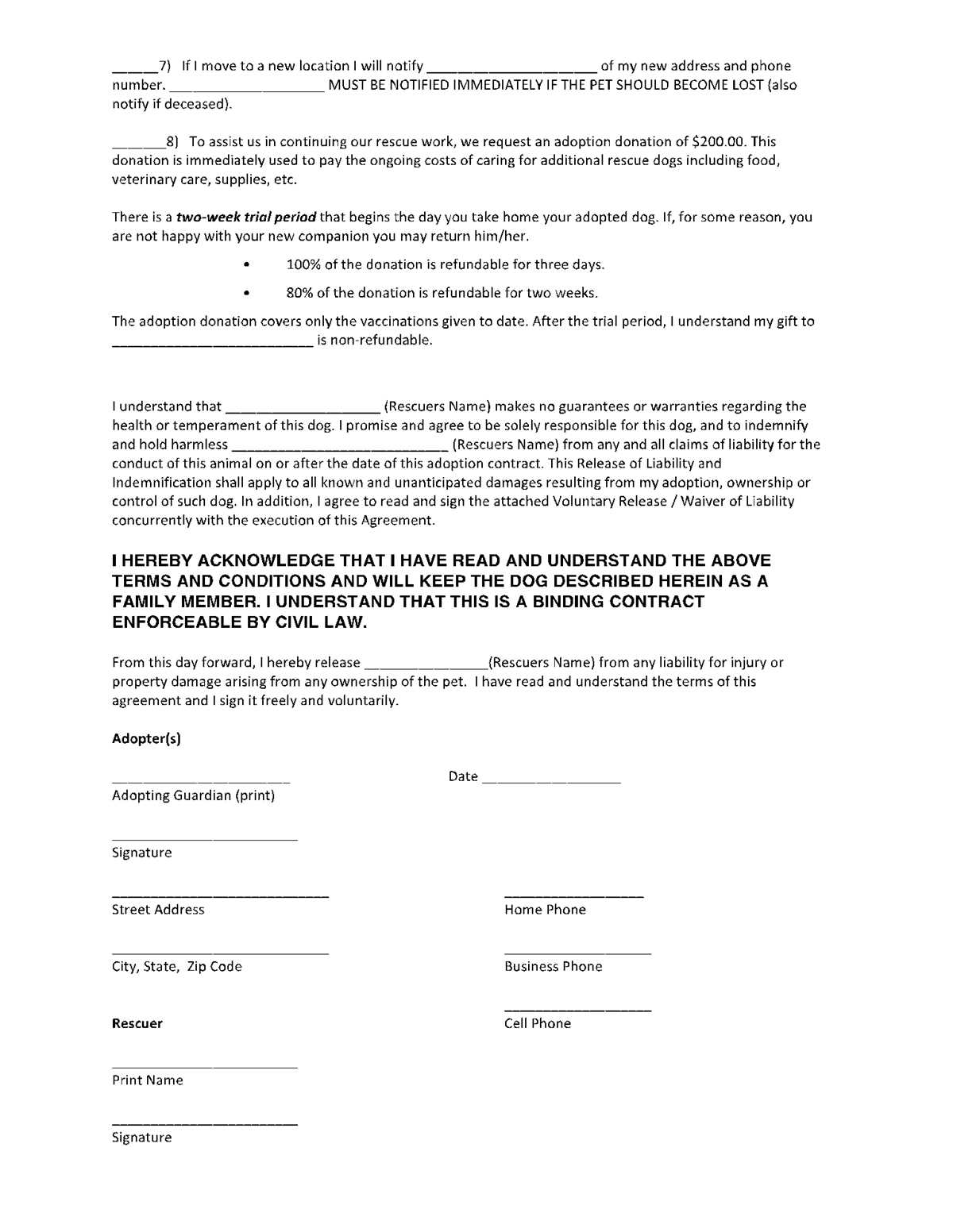
Define terms that address potential concerns, such as rehoming, health guarantees, and training practices. Clear expectations regarding the responsibilities of each party will make it easier to resolve conflicts and maintain a healthy relationship throughout the animal’s life.
Creating a Legal Document for New Dog Owners
Start by including clear terms that outline both parties’ obligations, such as the dog’s health, vaccination status, and behavior. Specify details like spaying/neutering requirements or expectations for training and socialization. This ensures both sides understand what is expected during the early stages of the pet’s life.
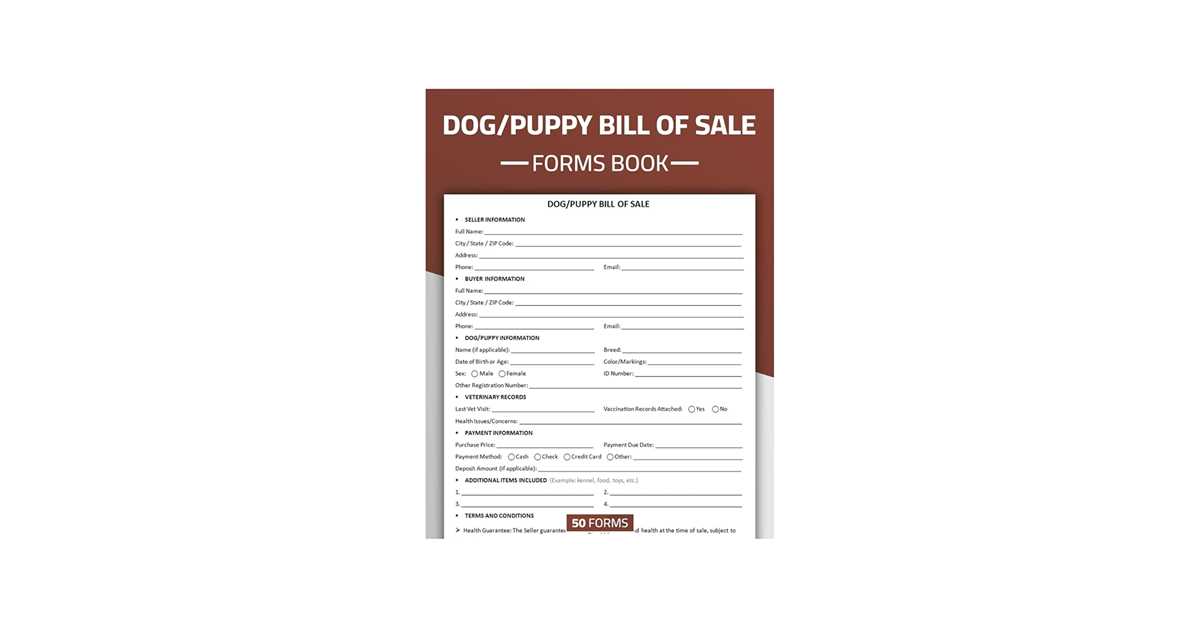
Another key aspect is to clarify financial responsibilities. This includes not only the initial cost but also potential future expenses, such as veterinary care and insurance. Lay out payment schedules if applicable and identify who will cover costs if unforeseen issues arise.
- Health and behavioral commitments
- Financial responsibilities and contingencies
- Terms for rehoming or returning the dog if necessary
Make sure the document includes a section about the consequences of non-compliance. Clearly state the possible outcomes if either party fails to meet the outlined conditions. This could involve returning the dog, compensation for breach of terms, or other legal actions depending on the situation.
How to Draft a Legally Binding Puppy Purchase Agreement
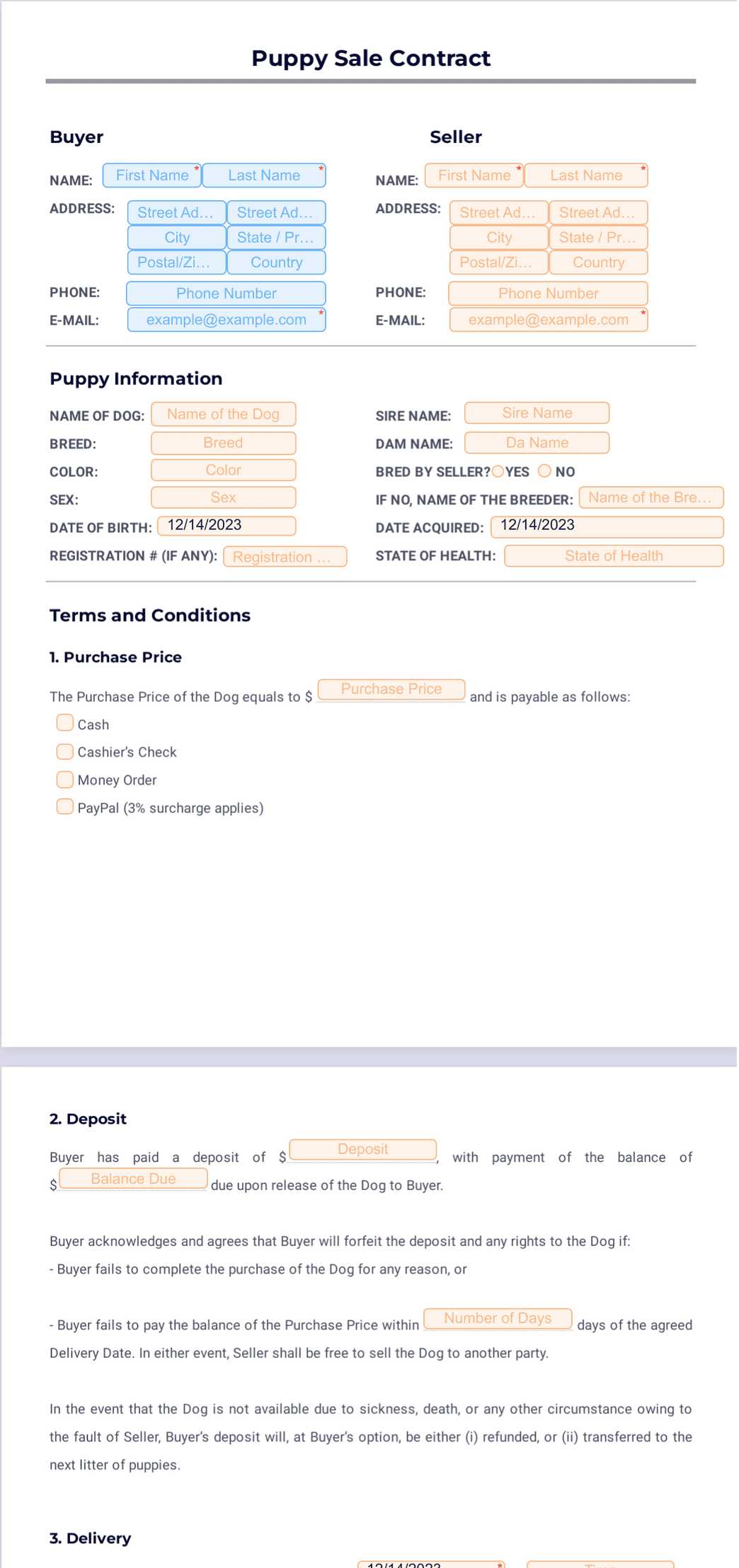
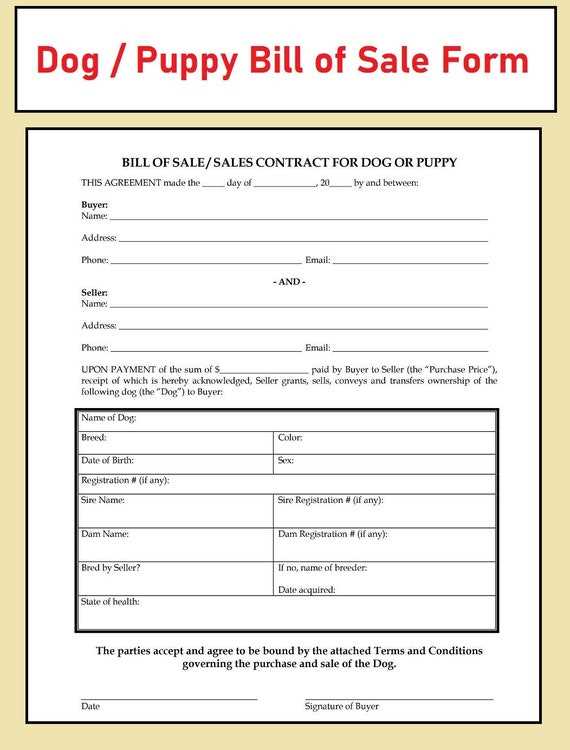
Begin with identifying all parties involved. Clearly state the buyer’s and seller’s full names, addresses, and contact details. This ensures that the document remains enforceable in the event of disputes. Both parties must be explicitly named to avoid ambiguity about who is responsible for each clause.
Define the terms of sale in specific detail. Include the breed, age, gender, and any other distinguishing features of the dog being sold. Specify the price and the agreed payment method. If a deposit is required, outline the amount, payment schedule, and whether it is refundable. Be clear about what happens if either party fails to fulfill their obligations, such as the seller’s responsibility to deliver the dog and the buyer’s to make full payment.
Incorporate health guarantees or warranties regarding the dog’s condition. This may include a statement from the seller ensuring the dog is free from contagious diseases, or a requirement that the dog receives a vet checkup before the transaction is complete. Address any liabilities related to future health issues and whether the seller is responsible for covering medical expenses if they arise within a set period after the sale.
Outline the buyer’s responsibilities for care and training. This section can include the seller’s expectations about the living conditions the animal should have, including food, exercise, and veterinary care. Additionally, you may want to include clauses that prevent the new owner from reselling the animal or transferring ownership to a third party without prior consent.
Conclude with signatures. Both the seller and buyer must sign the document in the presence of a notary or witness to make the agreement legally binding. Make sure both parties receive a signed copy for their records. Always consult a legal professional before finalizing the paperwork to ensure compliance with local laws.