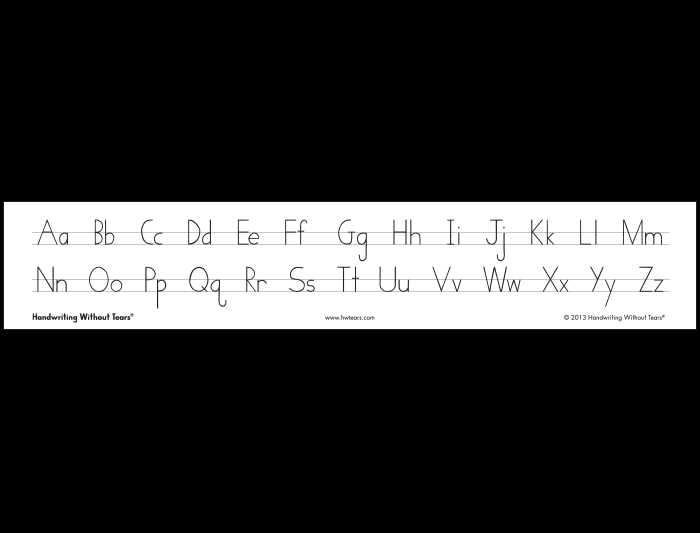
Choose a horizontal nameplate 30–35 cm wide and 6–8 cm high so every uppercase and lowercase symbol remains at least 2 cm tall for clear visibility from a seated position. Use a clean sans serif typeface such as Arial or Century Gothic, keep stroke weight medium, and place consonants and vowels in distinct shades to support early reading patterns. Leave 0.5 cm spacing between characters to prevent visual crowding.
Add a 0–20 number line beneath the letter sequence with tick marks every single unit and bold markers at 5, 10, 15, and 20. Include simple shape icons (circle, square, triangle, rectangle) at one end for quick reference during math blocks. For kindergarten learners, pair each character with a small keyword and image cue, keeping illustrations under 1.5 cm tall so they guide without overwhelming the text.
Print on 160–200 gsm cardstock to reduce curling, then apply a 3–5 mil laminate layer to withstand daily handling and surface cleaning. Trim corners to a rounded edge to prevent peeling. Attach using double sided tape rated for classroom furniture or hook and loop dots spaced every 8–10 cm to keep the nameplate flat across the student table surface.
Alphabet Desk Strips Printable Free
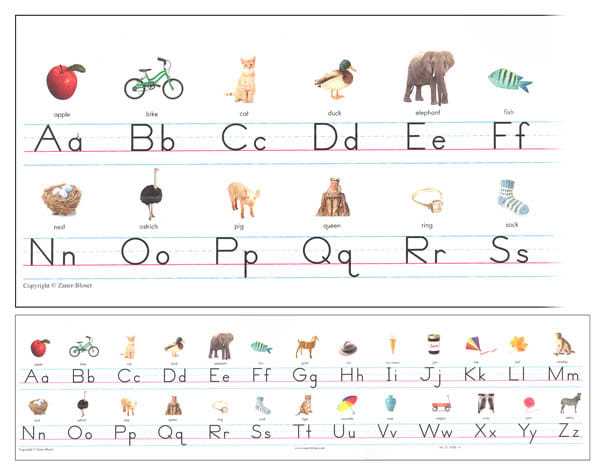
Use a horizontal A to Z reference card 32 cm wide and 7 cm high so each uppercase and lowercase character measures at least 20–25 mm in height. Keep letterforms consistent across the full sequence and avoid decorative fonts that distort basic shapes such as a and g. Maintain equal spacing of 5–8 mm between symbols to improve scanning speed for early readers.
Select layouts that include both capital and small forms aligned vertically rather than scattered. A two row format works well:
- Top row: uppercase A–Z
- Bottom row: lowercase a–z
- Optional third line: numbers 0–20 in 14–16 pt size
This structure supports handwriting alignment and quick comparison during phonics tasks.
Choose high contrast combinations such as black text on white background or dark blue on pale gray. Limit decorative backgrounds to a 5–10 percent tint to prevent visual distraction. For vowel highlighting, apply a single consistent shade like red for A, E, I, O, U while keeping consonants neutral.
Paper weight should range from 160 to 220 gsm to prevent curling at edges. For long term classroom use, add a 3 mil laminate layer and trim with 3 mm rounded corners. Adhesive options include:
- Double sided tape placed every 6–8 cm
- Hook and loop dots at both ends and center
- Clear contact film covering the entire surface
Integrate small picture cues only for early kindergarten levels, limiting image height to 12–15 mm. For Grade 1 and above, remove illustrations and increase character spacing to strengthen independent recognition without visual prompts.
Provide versions with directional arrows that show correct stroke order for manuscript writing. Arrows should be thin and placed inside the character outline, not outside, to avoid clutter. Keep stroke markers in light gray so they guide without dominating the page.
Ensure margins of at least 10 mm on all sides before cutting to prevent trimming errors. Test one sample on a student table and check visibility from a seated distance of 40–60 cm. Adjust font size upward if learners lean forward to read.
Store digital files in PDF format sized to standard A4 and US Letter to avoid scaling distortion. Disable automatic “fit to page” settings during printing and set scale to 100 percent so character proportions remain accurate across all copies.
How to Choose Letter Size and Font for Classroom Desk Nameplates
Use character heights of 22–28 mm for early grades so symbols remain legible from a seated distance of 40–60 cm. For older students, reduce height to 16–20 mm to fit additional reference content without crowding the surface. Maintain consistent baseline alignment to support handwriting modeling.
Select sans serif typefaces with simple forms such as single story a and g for beginners. Avoid decorative scripts or condensed fonts that compress spacing. Stroke thickness should be medium weight; ultra light lines fade under classroom lighting, while heavy bold styles blur small details.
Adjust tracking to 5–10 percent above default to prevent visual merging between adjacent characters. Each symbol should have clear white space around it equal to at least one quarter of its width. This spacing helps learners isolate shapes during reading and copying tasks.
Match font style to handwriting curriculum. If students practice manuscript, choose printed letterforms with straight vertical stems and rounded bowls. For cursive instruction, add a separate line featuring connected script at 18–22 pt, positioned below the primary reference row.
Test a sample by placing it flat on a student table under standard classroom lighting of 300–500 lux. If learners squint or lean forward, increase size or switch to a darker ink tone such as deep navy or black for stronger contrast.