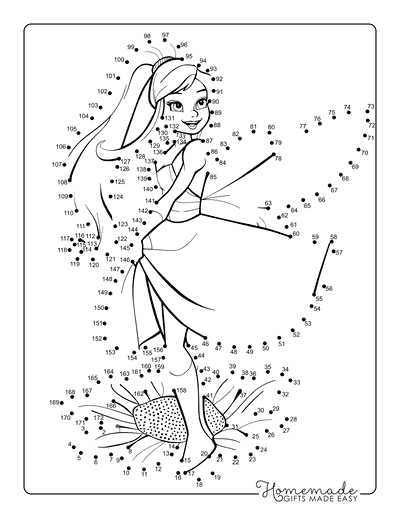
Start by selecting easy-to-follow templates where children can trace lines between numbered points to form letters. This method is an excellent way to teach letter formation while improving fine motor skills. Look for designs with clear, bold shapes that are simple enough for younger children to follow but still fun enough to keep them engaged.
How to Print and Prepare Letter Tracing Sheets
Once you’ve chosen a design, make sure it’s formatted for easy printing. Most templates will be available in PDF format, which is ideal for preserving the layout and quality of the design. To ensure a clean result, print on high-quality, slightly heavier paper or cardstock. This will provide better durability, especially if your child uses markers or crayons. Adjust your printer’s settings for optimum resolution to make sure the lines are crisp and clear.
- Tip: For younger children, consider using thicker lines and larger spaces between dots to make it easier to connect them.
- Tip: If you’re printing for multiple kids, print several copies at once to save time.
Creative Ways to Use Tracing Sheets for Learning
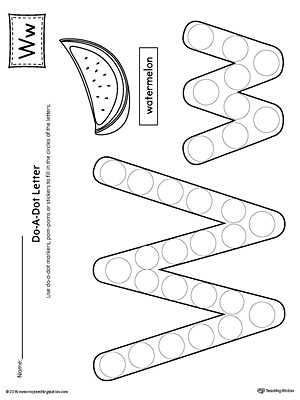
Once printed, these activities can be used in several fun and educational ways. Have your child trace the letters while saying them out loud to practice phonics and recognition. If they enjoy coloring, they can also color in the letters or add illustrations that begin with each letter after they complete the activity.
- Activity Idea: Turn the tracing sheets into a memory game by having your child recall the letters they’ve traced and name objects that start with those letters.
- Activity Idea: Make it more challenging by adding timed sessions or competitions to see who can trace the most letters within a set time.
These engaging activities not only help children improve their handwriting skills but also create a fun, interactive way to learn letters, numbers, and words. Keep varying the difficulty level as they improve to ensure they remain challenged and entertained.
How to Use Letter Connection Worksheets for Early Learning
Start by selecting simple activity sheets that feature numbered connections to form letters. These activities not only help with letter recognition but also promote hand-eye coordination. Look for designs with bold, clear lines and larger spaces to ensure that young children can easily follow the connections between points.
Before printing, ensure that the layout of the design is suitable for your child’s skill level. If the letters are too complicated, it may be frustrating for them to trace. Opt for designs that are simple and easy to follow, with fewer points to connect for beginners. As they become more skilled, you can gradually increase the complexity of the designs.
After downloading the worksheet, check the print settings to ensure that the layout is correctly aligned and the dots are visible and clear. It’s best to print on sturdy paper like cardstock, especially if your child will be using markers or crayons to trace the lines. This will ensure that the paper holds up and that the markings don’t bleed through.
If you’re printing multiple pages, consider organizing them by letter groups. This allows for easy access when working on different letters during different sessions. For example, you can print a set of worksheets for each set of vowels or consonants and keep them together in a folder for convenience.
Once the worksheets are printed, set up a learning space that encourages focus. Ensure that your child has plenty of space to work and is seated comfortably. Providing them with a variety of writing tools, such as colored pencils or markers, will help keep them engaged and excited about connecting the letters.
Use these worksheets in combination with other learning activities. For instance, after completing a sheet, ask your child to say the name of the letter out loud and identify objects that begin with that letter. This reinforces their knowledge of the alphabet and boosts their memory retention.
To keep things interesting, mix up the type of worksheets you provide. Some can feature letters in uppercase, while others can focus on lowercase letters. This will help your child become familiar with different forms of letters and further enhance their letter recognition skills.
Finally, if you find that your child has mastered the basic activities, consider creating more challenging tasks. You can start introducing more advanced worksheets with both numbers and letters or even create their own designs for them to trace. This will continue to challenge their motor skills while reinforcing their understanding of the alphabet.