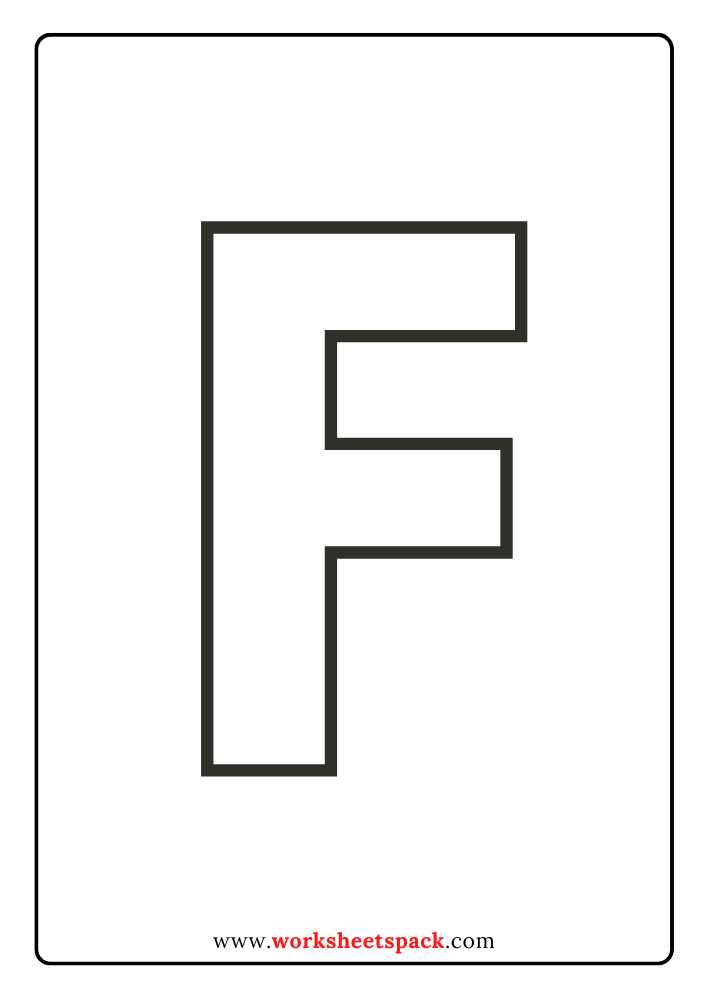
Choose bold, high-contrast character sheets sized to match your project, such as 8.5 × 11 inch pages for classroom walls or A4 for home study areas. Set font size between 150–300 pt for single-character pages intended for banners, and keep margins at least 0.5 inches to prevent trimming during printing.
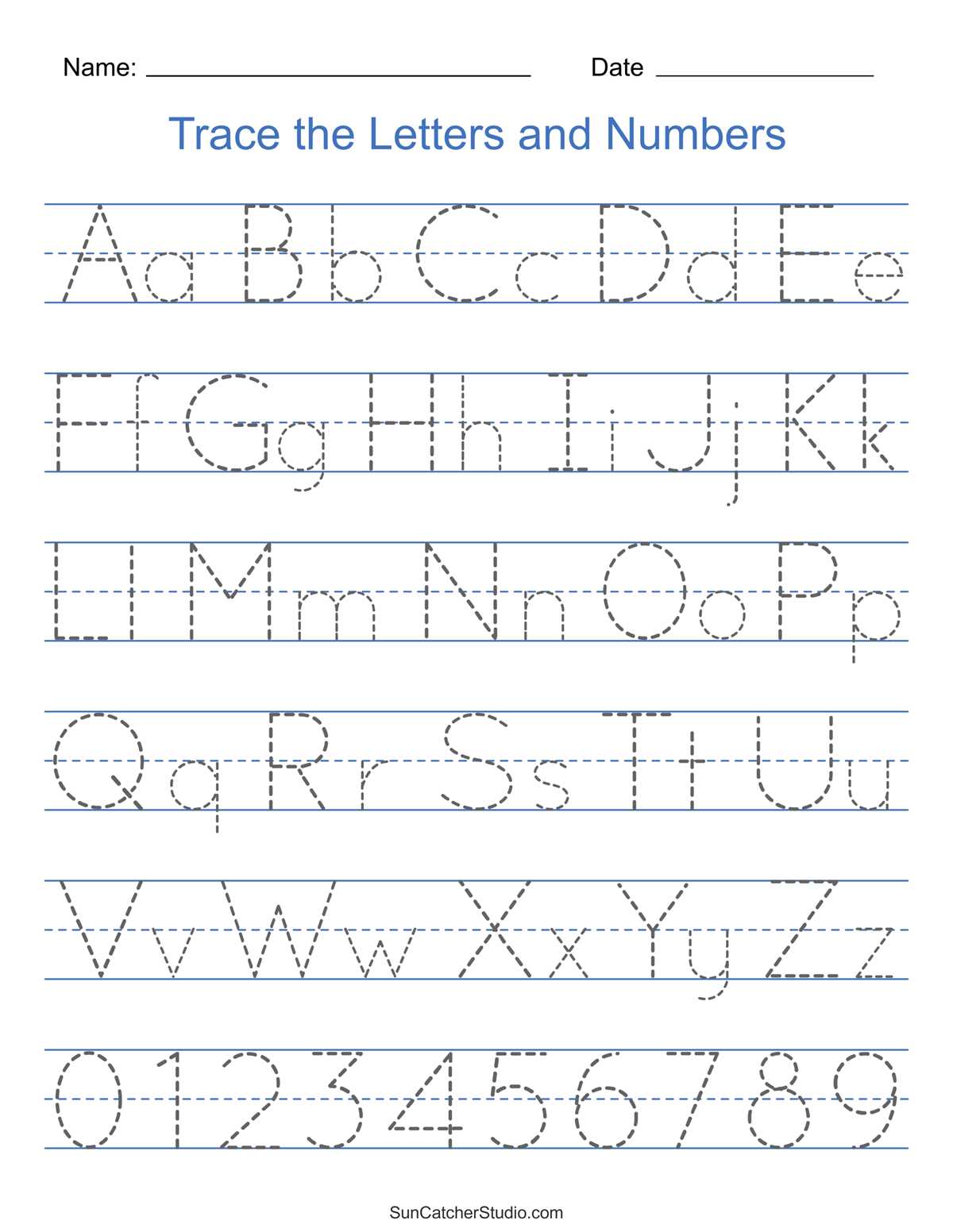
For tracing activities, use outline glyphs with a stroke weight of 2–3 pt and include directional arrows to guide pencil movement. Add dashed midlines and baseline markers to support handwriting practice, spacing each symbol at least 1 inch apart to allow room for repetition.
When preparing cutouts for crafts, select heavy paper between 160–200 gsm to reduce bending. Save files as high-resolution PDFs at 300 dpi and disable page scaling in the print dialog so proportions remain accurate. For reusable templates, laminate finished sheets and trim carefully along outer contours using a craft knife and metal ruler.
Organize character groups by theme–uppercase, lowercase, or decorative block styles–and label each file clearly for quick retrieval. Store digital copies in folders sorted by size and style, and test a single page before producing full sets for bulletin boards or event signage.
Alphabet Printable Letters
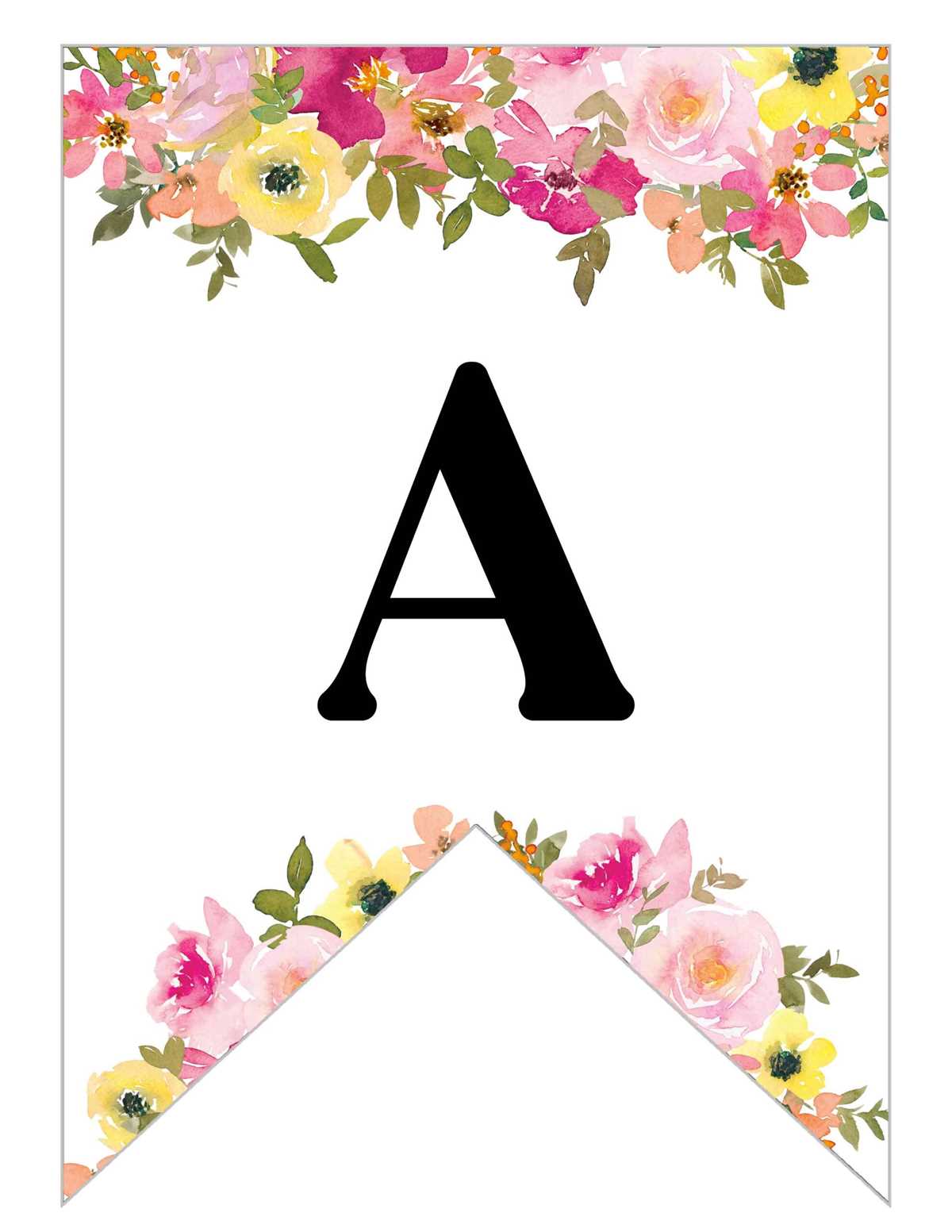
Select single-character pages sized at 8.5 × 11 inches for wall displays or reduce to half-sheet format for flashcards. Use bold block glyphs at 200–300 pt for banners and headings, keeping margins at 0.5 inches to avoid edge clipping during home printing.
For classroom decoration and event signage, prepare large characters as individual PDF files saved at 300 dpi. Disable page scaling in the print settings so proportions remain accurate, especially when assembling words across multiple sheets.
- Use sans serif fonts for modern posters and serif styles for traditional classroom boards
- Maintain high contrast with black ink on white paper
- Choose paper weight between 120–200 gsm for cutouts
- Align center placement to simplify trimming
Tracing sheets require outline symbols with a 2–3 pt stroke and dashed interior guides. Add baseline and midline markers spaced 1 inch apart so children can practice consistent height and spacing while forming each character.
- Create uppercase and lowercase sets in separate folders
- Label files clearly by size and font style
- Test one sample page before batch printing
- Store masters as locked PDFs to prevent layout shifts
For craft projects, laminate finished cutouts and trim along outer contours using a metal ruler and precision knife. Punch small holes at the top of each symbol if assembling a hanging banner.
When producing bulletin board headings, measure the display width first and calculate the number of pages required per word. For example, a 60-inch board accommodates eight 7-inch characters with 1-inch spacing between each.
Archive digital files in organized directories sorted by theme such as block, cursive, or decorative styles. Keeping structured storage reduces reformatting time and allows quick reprints for future lessons or events.
How to Choose the Right Font Style and Size for Wall Displays and Banners
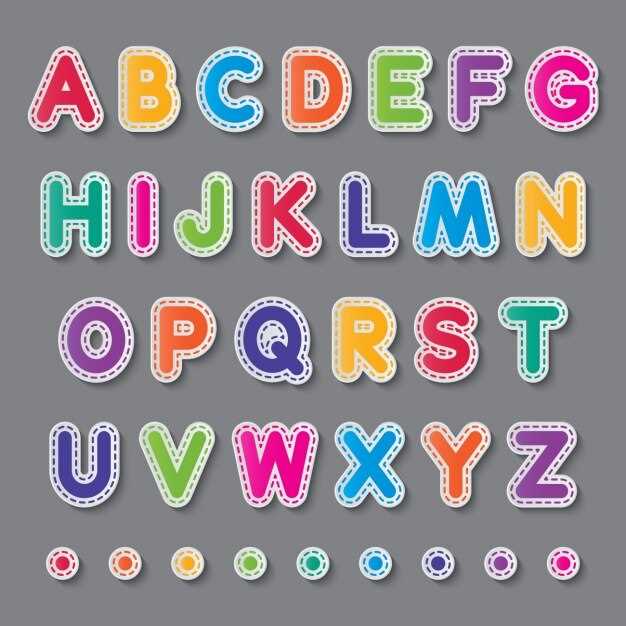
Select bold typefaces with clear stroke contrast for large wall headings, such as sans serif styles for modern classrooms or serif designs for traditional themes. Avoid thin decorative scripts that lose clarity when viewed from more than 6–8 feet away.
Determine character height based on viewing distance: use at least 4 inches tall for boards seen from 10 feet and 6–8 inches for spaces exceeding 20 feet. On standard US Letter sheets, this usually means setting font size between 250–350 pt for one symbol per page.
Maintain consistent spacing between glyphs by leaving at least 1 inch of horizontal gap when assembling words across multiple pages. Center each character on the sheet to simplify trimming and alignment on bulletin boards.
Choose strong contrast combinations such as black on white or dark blue on pale yellow. If using colored paper, verify readability under classroom lighting by testing a single sheet before producing the full set.
For banners, print each symbol on 160–200 gsm cardstock to reduce curling. Punch holes at equal distances from the top edge and use a straight guideline to keep the string level during assembly.
Save files as high-resolution PDFs at 300 dpi and disable automatic scaling in print settings so proportions remain stable. Run a test page to confirm size accuracy before preparing the entire heading.