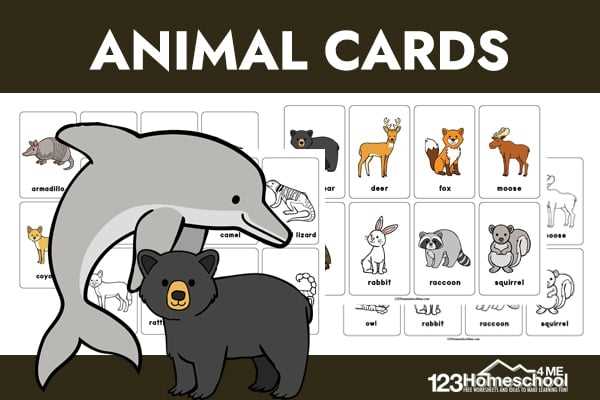
Start by downloading educational resources that help teach children about various ecosystems and the creatures that live in them. These resources can range from visual aids to interactive worksheets, all designed to engage young learners in understanding the natural world.
Where to Find High-Quality Ecosystem Templates
There are many online platforms offering free downloads of themed designs related to different environments. These websites provide a variety of options, such as:
- Printable worksheets featuring specific environments like forests, deserts, and oceans.
- Coloring pages of animals and plants that live in each habitat.
- Activity sheets with puzzles and questions that challenge children to think about how animals adapt to their surroundings.
- Cut-and-paste activities where kids can build their own ecosystems using pre-drawn elements.
These materials can be found on educational websites, teaching blogs, or even social media groups focused on homeschooling and early childhood education. Many of these platforms provide free resources, which makes it easy to find content that suits your classroom or home activities.
Creative Ways to Use Ecosystem Materials in Learning Activities
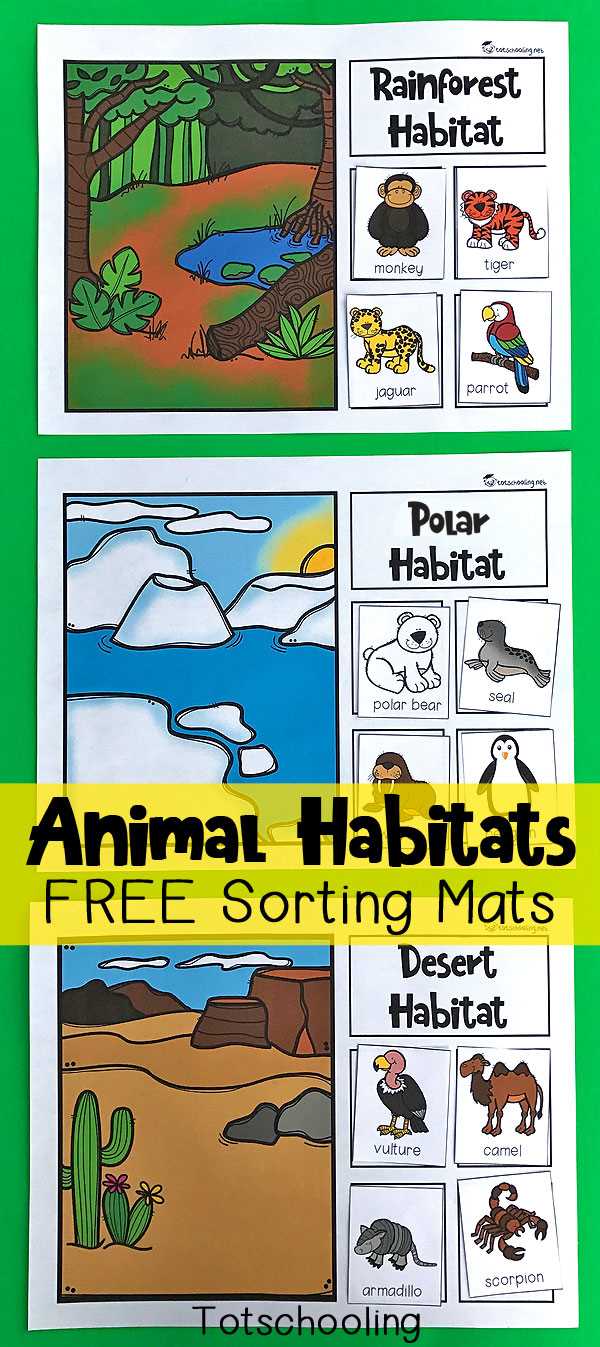
Once you’ve downloaded your resources, there are various ways to incorporate them into hands-on learning. For example:
- Interactive Learning Stations: Set up different stations around the room, each dedicated to a specific ecosystem. Provide printed activity sheets at each station and allow kids to explore each environment through various crafts and games.
- DIY Projects: Use printable sheets as templates for building 3D models of ecosystems. Kids can create their own representations using paper, clay, or natural materials like twigs and leaves.
- Group Discussions: After completing an activity, hold a group discussion to talk about how each environment supports different animals and plant life. This can deepen the children’s understanding of ecology.
By integrating these printables into your teaching methods, children can visually and creatively engage with the material, enhancing their retention and enjoyment of learning. Whether in a classroom or at home, these resources provide valuable hands-on experiences that make learning about nature both fun and informative.
Final Tips for Printing and Assembling Ecosystem Activities
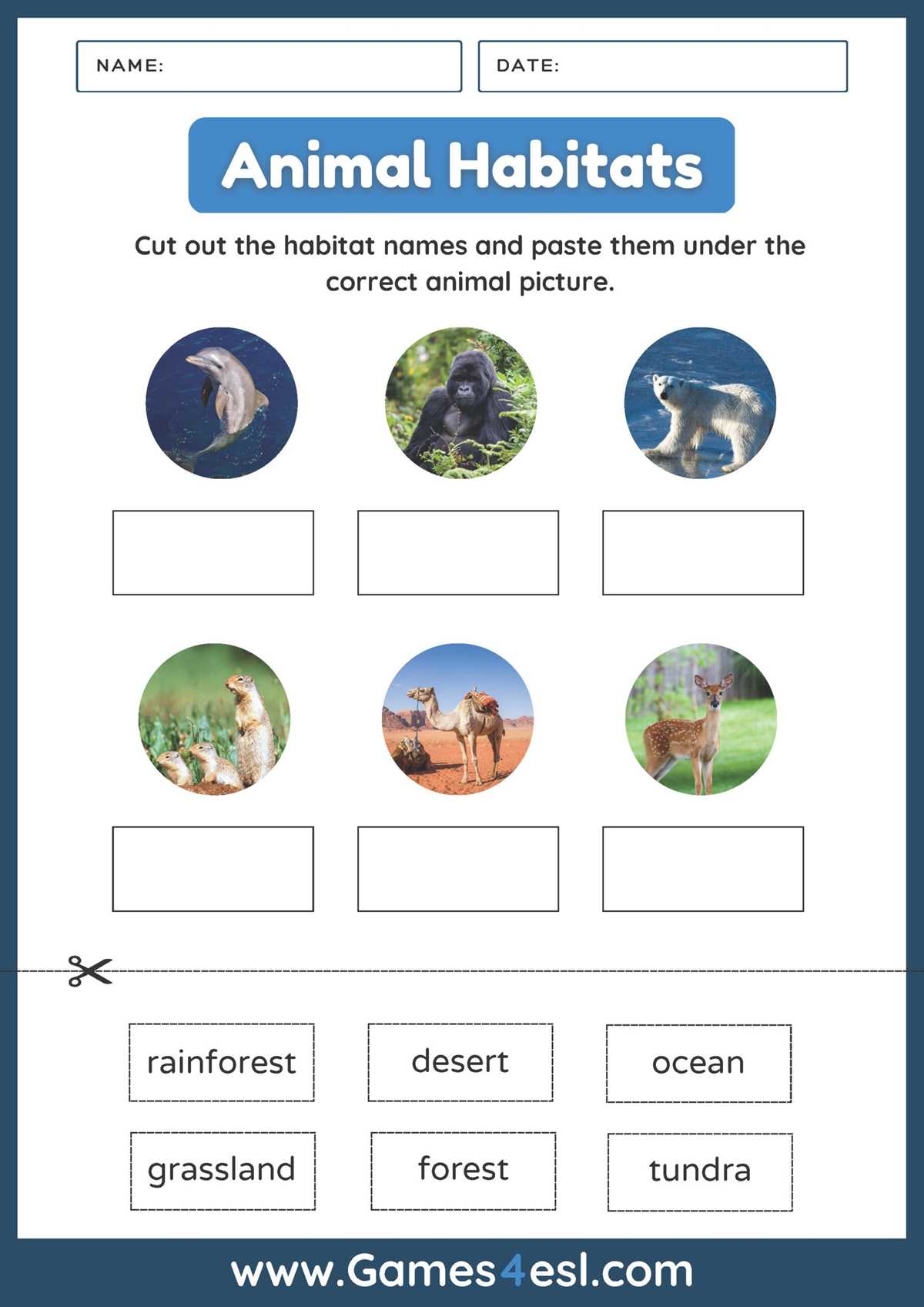
For the best results, ensure your printer is capable of handling high-quality prints. Consider using cardstock for more durable activities like posters or models. If you’re planning to use coloring sheets or less complex designs, standard printer paper will suffice. Additionally, laminating certain materials can make them last longer, especially if you plan to reuse them for different groups of children or activities.
Lastly, don’t hesitate to encourage creativity. These materials can be adapted to fit different ages and skill levels, allowing children to express their understanding of ecosystems through art and hands-on projects. The possibilities are endless when it comes to learning about the environment in a creative, interactive way.
Utilizing Printable Resources to Teach Ecosystems
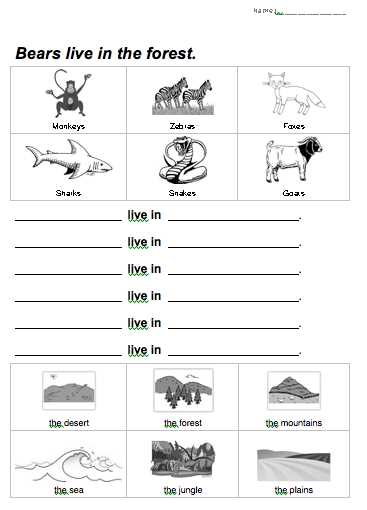
For hands-on learning, consider downloading sheets that feature various environments such as forests, deserts, or oceans. These resources often include illustrations of the creatures that thrive in these regions, making it easier to visually teach children about the diversity of life in different ecosystems.
Another practical idea is using these materials for craft activities. For example, you can print out cut-out templates of animals or plants and let children assemble their own ecosystems by placing the elements in their correct settings. This approach allows them to actively engage with the subject matter, making the learning process more memorable.
Some resources go beyond simple illustrations and include facts or questions about each ecosystem. These can be turned into quiz sheets or used as discussion starters. This type of content not only keeps children engaged but also helps to reinforce the educational material with interactive learning methods.
When printing these sheets, choose high-quality paper or cardstock to ensure durability, especially for repetitive use in the classroom. Laminating these resources is also a great option for long-term use. This way, you can reuse the same materials without worrying about wear and tear.
Lastly, these resources can be easily customized. Many downloadable files allow you to edit the text or add your own questions and facts, tailoring the materials to your specific needs. Whether you’re teaching in a classroom or homeschooling, these printable resources offer flexibility for different teaching styles and age groups.