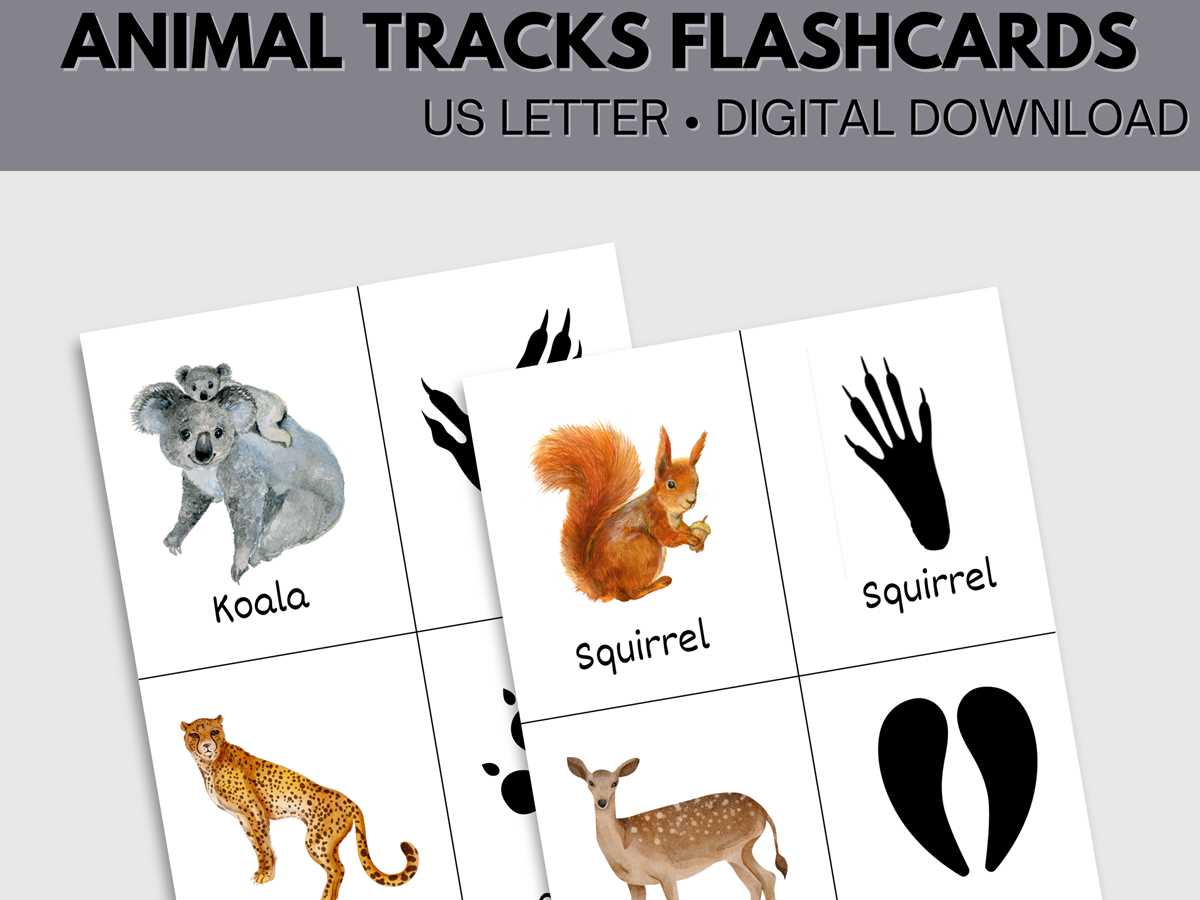
Select high-resolution paw and hoof imprint templates at 300 dpi so claw marks, toe pads, and stride patterns remain sharp on Letter or A4 paper. Files in PDF or SVG format preserve scale accuracy, allowing direct size comparison between species such as deer, fox, raccoon, and black bear.
Choose sets that include front and hind foot impressions with labeled measurements in inches and centimeters. A deer hoof averages 2–3 inches in length, while a raccoon paw measures about 2–4 inches; accurate proportions help students distinguish similar ground marks during forest walks.
Print at 100 percent scale and disable page fitting to maintain real-life dimensions. Use heavier paper (at least 120 gsm) for outdoor activities, or laminate sheets to withstand moisture and repeated handling during field exercises.
Organize pages by habitat–woodland, wetland, grassland–and mark distinguishing features such as claw visibility, pad shape, and spacing between steps. Structured sheets with comparison charts allow quick identification and reduce confusion between canid and felid footprints.
Animal Tracks Printable Guide for Study and Outdoor Activities
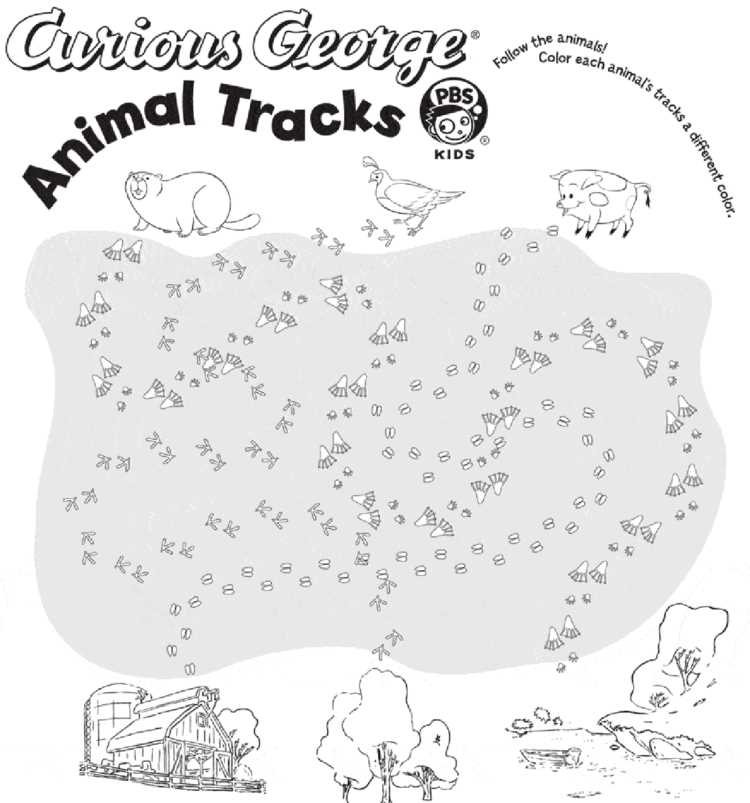
Download high-resolution footprint charts at 300 dpi and print them at 100 percent scale so pad width, claw marks, and stride spacing match real measurements found in soil or snow. Disable page scaling and confirm that a 2-inch reference bar on the sheet measures exactly 2 inches with a ruler before field use.
Group paw and hoof imprints by habitat type such as woodland, riverbank, and meadow to narrow identification quickly during hikes. Include comparison panels that show front versus hind impressions for species like raccoon and black bear, as rear feet often appear longer and can be mistaken for different wildlife.
Use durable paper of at least 120 gsm or laminate each page to resist moisture and dirt. Attach sheets to a clipboard with a pencil tied by string so measurements of stride length and track width can be recorded directly beside each outline without losing materials outdoors.
For classroom lessons, add blank matching exercises where students connect a silhouette to species names and note distinguishing features such as four versus five toes or visible claw tips. Limit each page to five or six examples to prevent visual clutter and maintain clear side-by-side comparison.
How to Choose Animal Track Sheets by Species and Habitat
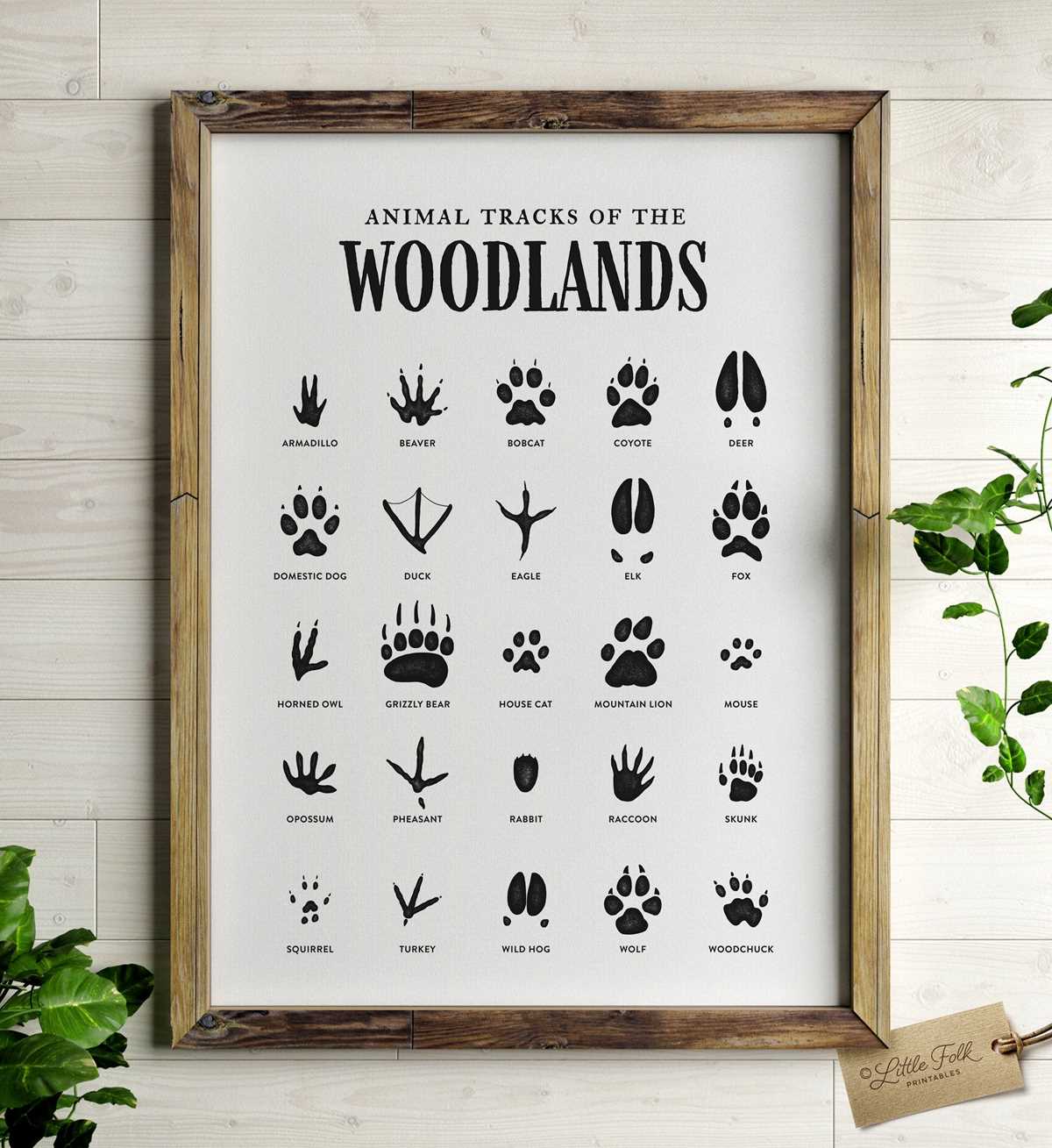
Select footprint charts that match the wildlife present in your region rather than using a generic North America set. A woodland-focused packet should include deer, fox, raccoon, black bear, and squirrel, while a desert version should feature coyote, jackrabbit, and lizard impressions.
Separate pages by habitat category to narrow identification during field study.
- Forest: hoof marks, paw prints with visible claws, alternating gait patterns.
- Wetland: webbed feet such as duck and goose, plus raccoon near water edges.
- Grassland: small rodent imprints and bounding patterns from hare species.
- Snow terrain: clear pad outlines and stride measurements for canids and felids.
Choose sheets that display both front and hind foot outlines side by side. Rear impressions of species like black bear appear longer and narrower, which can cause confusion without direct comparison.
Check that each silhouette includes scale indicators in inches and centimeters. A fox paw averages 1.5–2.5 inches long, while a deer hoof often measures 2–3 inches; accurate sizing supports field verification with a ruler.
Prefer layouts with labeled toe count and claw visibility notes.
- Canids: four toes with claw marks.
- Felids: four toes, claws usually hidden.
- Ursids: five toes with wide pad base.
- Ungulates: split hoof pattern.
Limit each page to five or six species to avoid visual overload and allow clear side-by-side comparison during lessons or outdoor observation.
Download high-resolution PDF files at 300 dpi or higher so pad contours remain sharp after printing. Low-resolution images blur fine details such as claw tips, reducing accuracy during identification exercises.