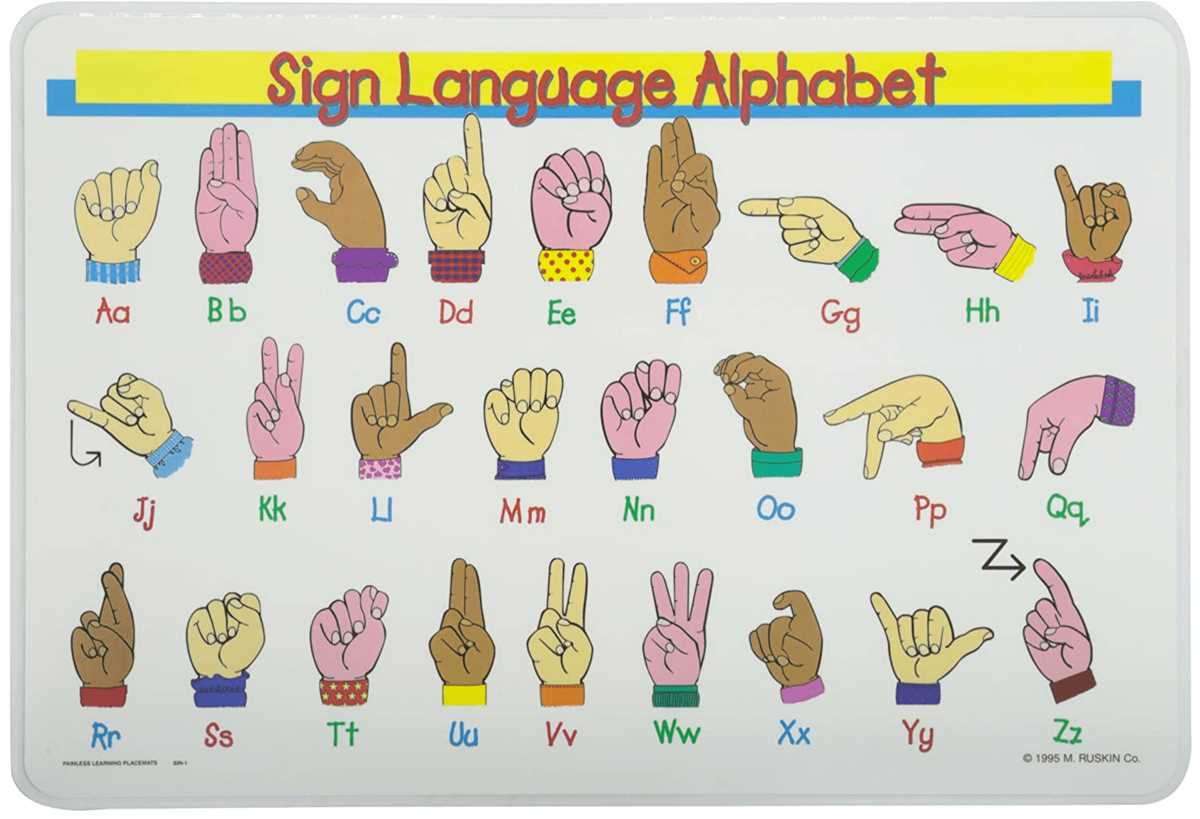
Print a high-resolution handshape chart at 300 dpi on A4 or Letter paper and keep each sign image at least 4 × 4 cm to preserve finger detail. Use clear black outlines on a white background, and avoid decorative textures that reduce contrast. Place letters in a grid with equal spacing and label each sign directly beneath the image in 18–22 pt sans-serif type for readability from 1–2 meters.
For classroom walls, enlarge the sheet to A3 and laminate with 3–5 mil pouches to prevent wear. Position it at eye level and practice daily 5-minute drills: spell common names, months, and short words while checking finger orientation against the reference. At home, keep a reduced A5 copy near your desk and review 10–15 random letter combinations per session to build speed and accuracy in manual spelling.
ASL Printable Alphabet Chart for Classroom and Home Practice
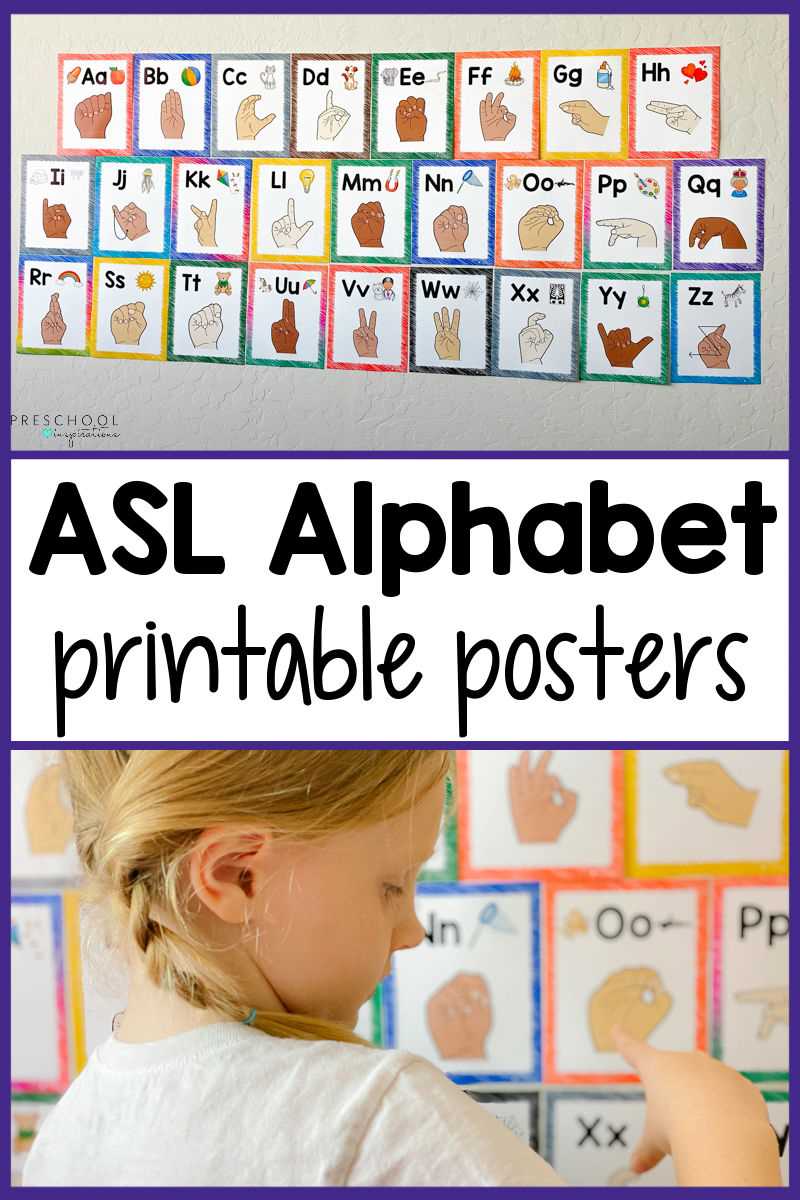
Display a large-format fingerspelling chart at eye level and ensure each handshape measures at least 5 cm in height for clear visibility from the back row. Use high-contrast images with consistent palm orientation and place upper-case letters directly below each sign in 20 pt font. Laminate the sheet for daily handling and mount it near the whiteboard to support quick reference during spelling drills and vocabulary exercises.
At home or in small groups, use the hand sign reference sheet for structured practice:
- Spell first names and common objects for 3–5 minutes per session.
- Time one-minute drills to increase recognition speed.
- Cover the letter labels and identify signs from memory.
- Record short videos to compare hand position and finger placement with the chart.
- Rotate practice pairs weekly to reinforce recall accuracy.
How to Format and Print an ASL Alphabet Chart for Clear Handshape Visibility
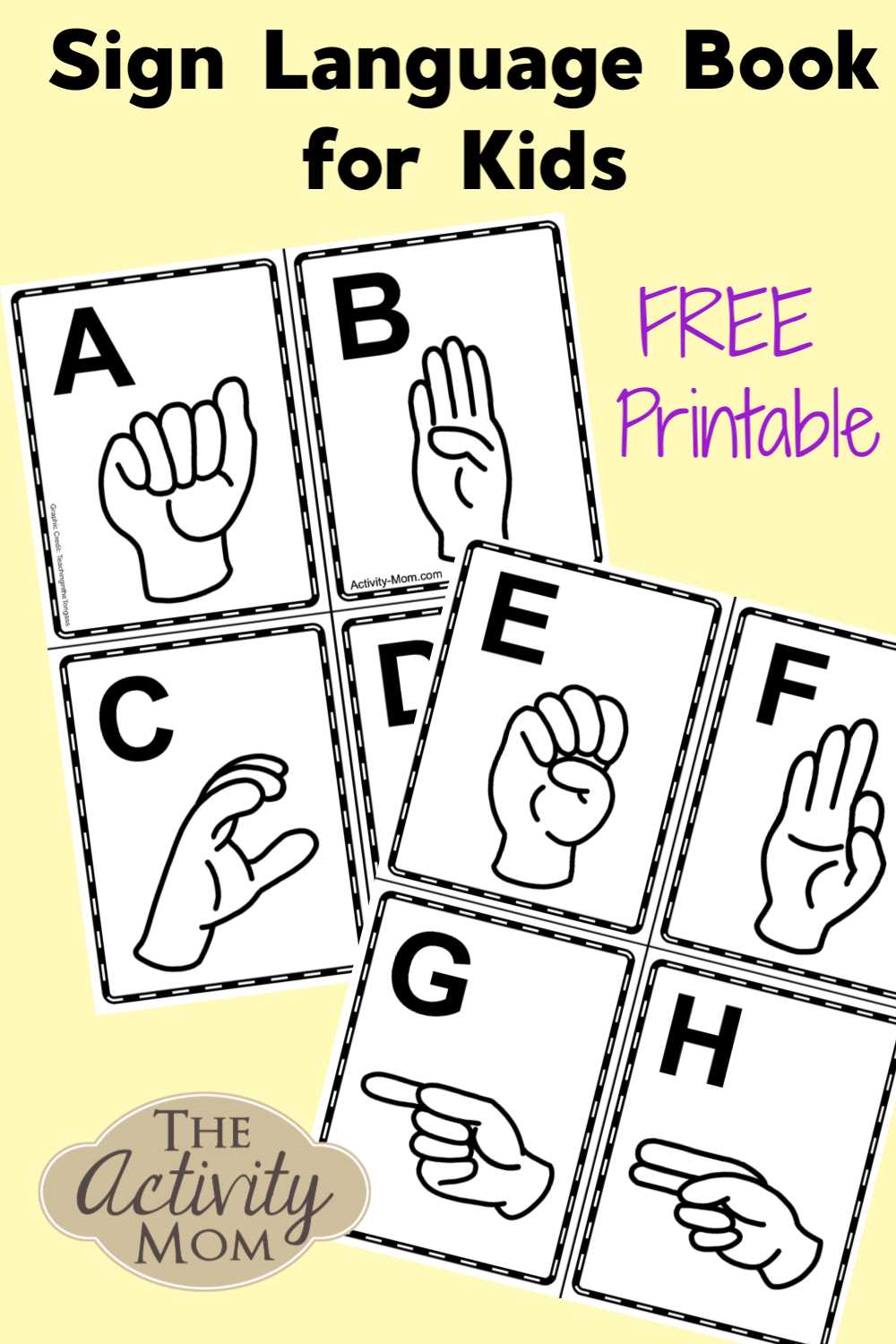
Set the document to 300 dpi resolution in CMYK mode and choose A4 or Letter size with 1-inch margins to prevent trimming loss. Arrange the manual letter signs in a uniform grid, 6–7 columns wide, and keep each hand image at least 1200 × 1200 pixels before scaling. Maintain consistent palm orientation across all letters to avoid learner confusion.
Use a plain white background and solid black or dark gray outlines for maximum contrast. Avoid gradients or decorative patterns that obscure finger placement. Place each character label directly below the corresponding handshape in a clean sans-serif typeface at 18–22 pt, with 1.2 line spacing to keep text readable from a distance of two meters.
Before printing, zoom to 100% view and check that finger edges remain sharp without pixelation. Flatten layers and export as high-quality PDF with crop marks disabled unless trimming is required. Select “Heavy Paper” or “Cardstock” in printer settings and disable toner-saving options to preserve line clarity.
Run a single test sheet and review small details such as thumb positioning in letters like M, N, and T, where finger overlap can blur if ink spreads. If lines appear soft, increase contrast by 5–10% in image adjustments and reprint until contours remain distinct under normal classroom lighting.