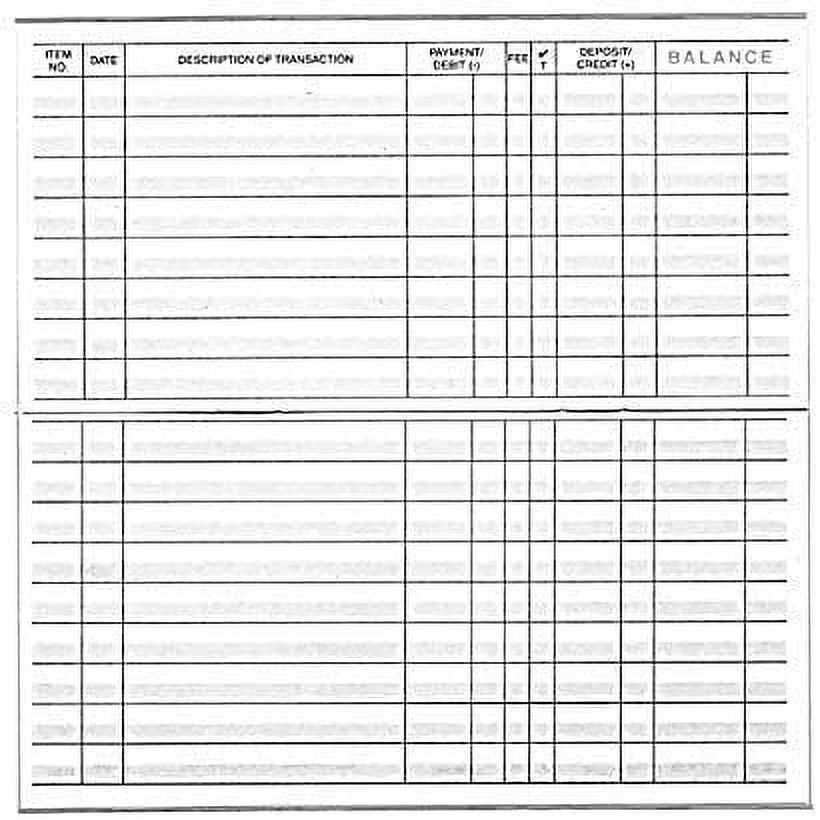
To manage your finances effectively, use a tracking system that allows for clear and consistent record-keeping. One of the most efficient ways to monitor transactions is by using a financial log that helps you document deposits, withdrawals, and balances in an organized manner.
Start by selecting a format that suits your needs. There are various templates available that offer an easy-to-use structure, ensuring that you can track every transaction accurately. When choosing the right format, consider factors such as layout clarity, enough space for notes, and columns for date, description, amount, and balance.
Once you have the right format, you can start recording your activities. Be sure to update your records after every transaction to avoid mistakes and ensure that your balance remains accurate. Consistency in updating your records will help you maintain control over your finances and easily track any discrepancies in your accounts.
How to Use a Financial Tracking Sheet
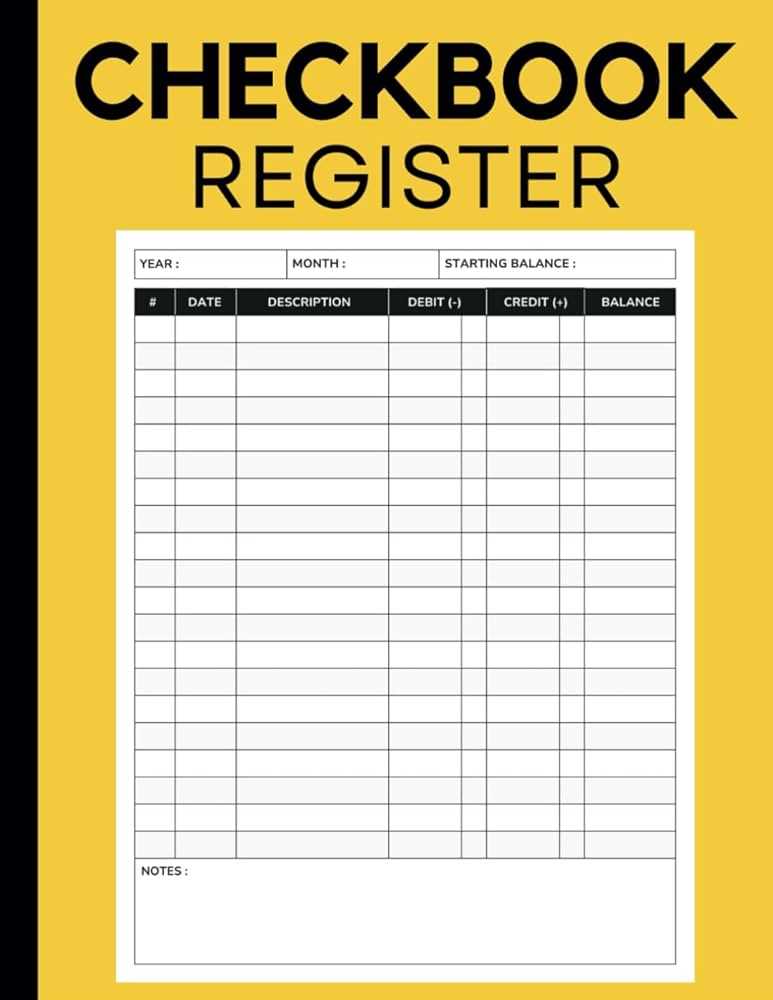
To begin using a financial tracking document, set up columns for date, description, debit, credit, and balance. This will allow you to track all transactions accurately and maintain a clear view of your finances. Start by entering the initial balance at the top of the document.
Each time a new transaction occurs, log it immediately. For example, if you make a deposit, enter the amount under the “credit” column, and update the balance accordingly. If a withdrawal occurs, enter it under the “debit” column and adjust the balance as well.
Using a digital or printed format makes it easier to quickly reference past entries. Many people find that printing out a tracking sheet is beneficial for visualizing financial data, especially for those who prefer handwritten entries over digital options.
One helpful approach is to categorize transactions. For example, you might separate bills, entertainment, and income into different sections. This allows for clearer analysis of where your money is being spent or saved.
Keep the record updated regularly. This will prevent any gaps or errors in tracking. Missing a few transactions can quickly lead to an inaccurate balance, which defeats the purpose of tracking your finances.
If you are using this tool for budgeting, include a “budgeted amount” column next to each category. This will allow you to compare actual spending with planned expenses and stay within your set limits.
For those who need a digital solution, many free templates are available online, offering a variety of features such as auto-calculation of balances or monthly summaries. Choose a template that fits your needs and customize it to track your specific expenses or income sources.
Finally, regularly review the document to identify trends or areas where spending can be reduced. Tracking expenses over time will give you a better understanding of your financial habits and help you plan for the future.
How to Choose the Right Financial Tracking Document for Your Needs
To select the best tracking tool, start by determining your purpose. If you need to monitor monthly expenses, choose a document that includes categories for each spending type, such as utilities, groceries, and entertainment. This will allow you to see where you can cut back.
If you’re keeping track of multiple accounts, find a tool that allows for multiple entries or tabs. This way, you can record data for each account separately and easily keep track of balances for all of them in one place.
Consider whether you need advanced features, such as automatic calculations for totals or balances. For more complex needs, look for documents with built-in formulas or downloadable templates that help automatically update your totals as you enter new information.
Think about how you’ll be using the document. If you prefer physical copies, look for a template that’s easy to print. However, if you’re comfortable with digital tracking, choose a template that is compatible with your preferred spreadsheet software for easy customization.
If you want a more detailed breakdown, select a tool that includes space for notes or additional categories. This will help if you need to track specific details, such as recurring charges or specific income sources.
Finally, choose a template that matches your financial habits. If you tend to make frequent transactions, opt for a version that allows for quick and easy entry. If you don’t make many changes, a simpler layout with fewer sections may work better for your needs.