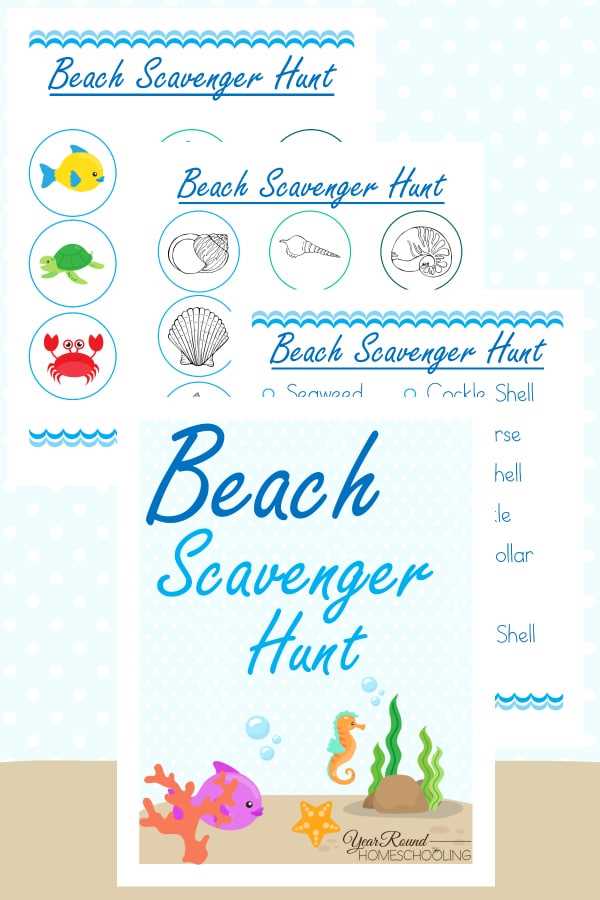
To make your coastal adventure more exciting, create a list of objects to find and observe. This activity will engage participants by encouraging them to spot unique natural treasures along the shore, from seashells to driftwood and seaweed.
Organize a series of simple clues, such as colors, shapes, or textures, to guide children or adults through the task. This not only enhances their attention to detail but also helps develop environmental awareness in a fun and interactive way. Consider creating themed lists to fit different ages and interests.
For an easy way to get started, use a ready-made template designed to help organize the activity. Print it out, add your personalized items or clues, and you are ready to go. These pre-made options provide a convenient solution for busy families or event organizers.
Beach Scavenger Hunt Printable
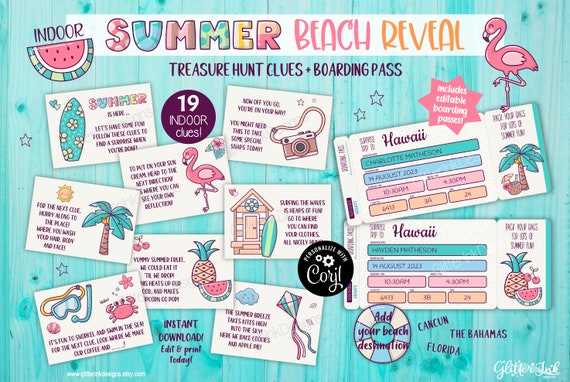
Start by creating a list of easy-to-spot objects such as shells, sea glass, or smooth stones. Tailor the list to the age group, with simpler items for younger children and more challenging ones for older participants.
Use a printable template to keep everything organized. These templates usually include checkboxes or space for notes, helping participants track their findings. You can customize the template by adding personal clues or specific features relevant to your local beach.
After completing the activity, encourage kids to discuss their findings. This is a great opportunity to teach about local wildlife, ocean conservation, and the importance of respecting nature while enjoying the outdoors.
How to Create a Beach Scavenger Hunt for Kids
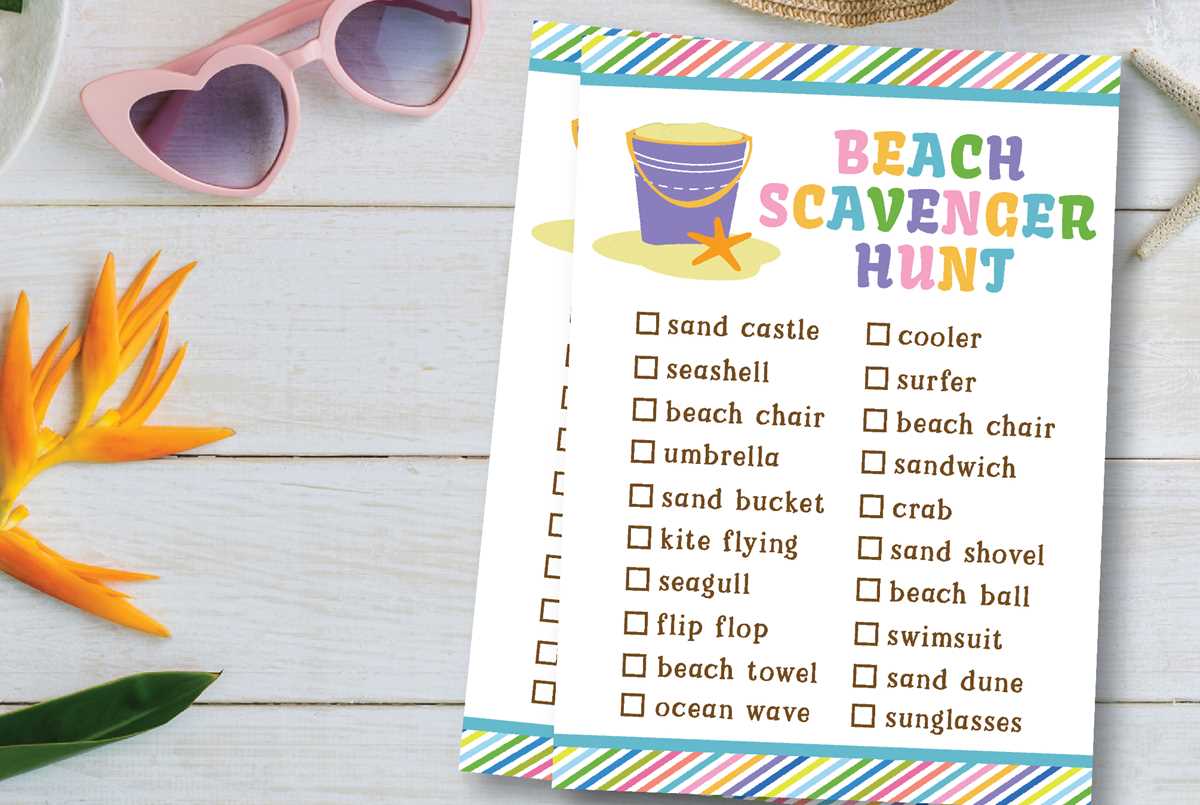
Begin by identifying a list of natural items that children can easily find. Common examples include seashells, driftwood, pebbles, or seaweed. To add variety, consider including specific colors or shapes for them to look for, such as a red rock or spiral shell.
Create a simple checklist where kids can mark off the items they find. You can customize the list based on your location, including things like unique sea creatures or beach treasures specific to your area. This way, the activity becomes more engaging and educational.
To make it more challenging for older kids, introduce clues or riddles for each item. For example, a riddle for a piece of sea glass might be: “I’m small, shiny, and once part of a bottle, now I’m smooth from the ocean’s hustle.” This encourages problem-solving and critical thinking while keeping it fun.
End the activity with a discussion where everyone shares what they found. You can also teach children about environmental responsibility, encouraging them to leave no trace and explaining the importance of respecting natural habitats. This adds an educational layer to the adventure while keeping it exciting for the kids.