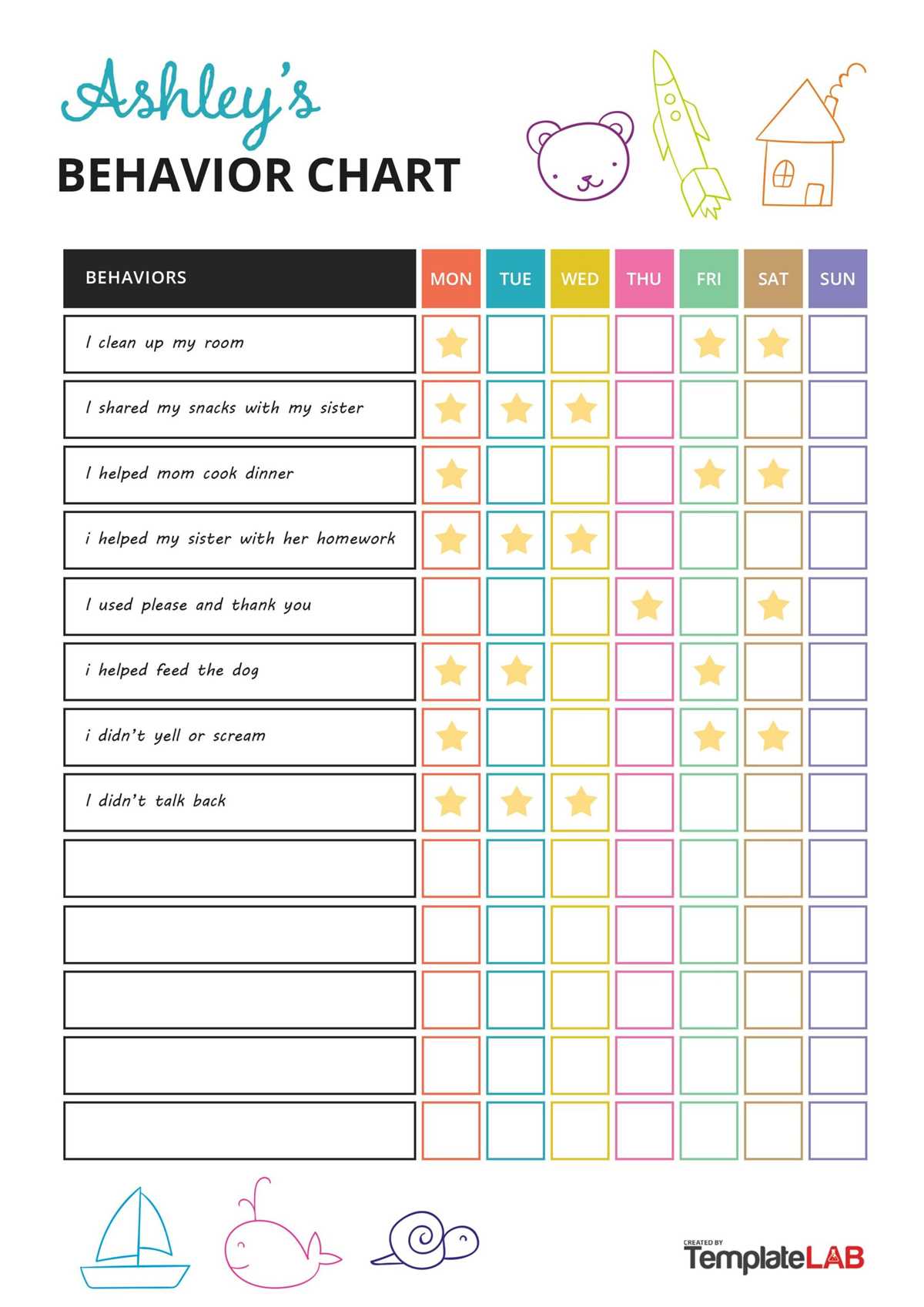
To improve children’s habits, consider using a reward system that tracks their progress with visible markers. This can help reinforce desired actions like finishing homework or performing chores. Visual reinforcement allows for immediate recognition of good behavior, and it makes progress tangible. The key is to provide consistent feedback and ensure the system remains engaging for the child.
Steps to Create Your Own Tracking System
Start by defining the specific actions you want to encourage. For instance, if you want to promote daily reading, list the goal on the chart. Next, break the task into smaller, achievable steps like reading a page or completing a chapter. The child can earn a mark each time they reach one of those milestones.
Design the tracking sheet with a simple structure, such as a grid or a list. Each row represents a task or a day’s work, and the columns indicate different levels of progress. Consider adding a reward section where the child can see how many steps are needed to earn a reward. This will create a visual incentive for consistent progress.
How to Keep It Engaging for Children
To keep children motivated, incorporate a variety of visuals. Use different shapes or colors for each task, and give them the opportunity to personalize their progress tracker with stickers or drawings. The system should feel fun rather than restrictive.
Update the reward system frequently to keep it fresh. Children may lose interest if the same rewards are given too often. Change the prizes or introduce new goals every few weeks to maintain engagement.
Finally, make sure to celebrate milestones together. Whether it’s a small treat or an extra playtime, acknowledge their hard work. This reinforces positive actions and strengthens the connection between effort and reward.
Creating a Visual Tracker for Reinforcing Good Actions
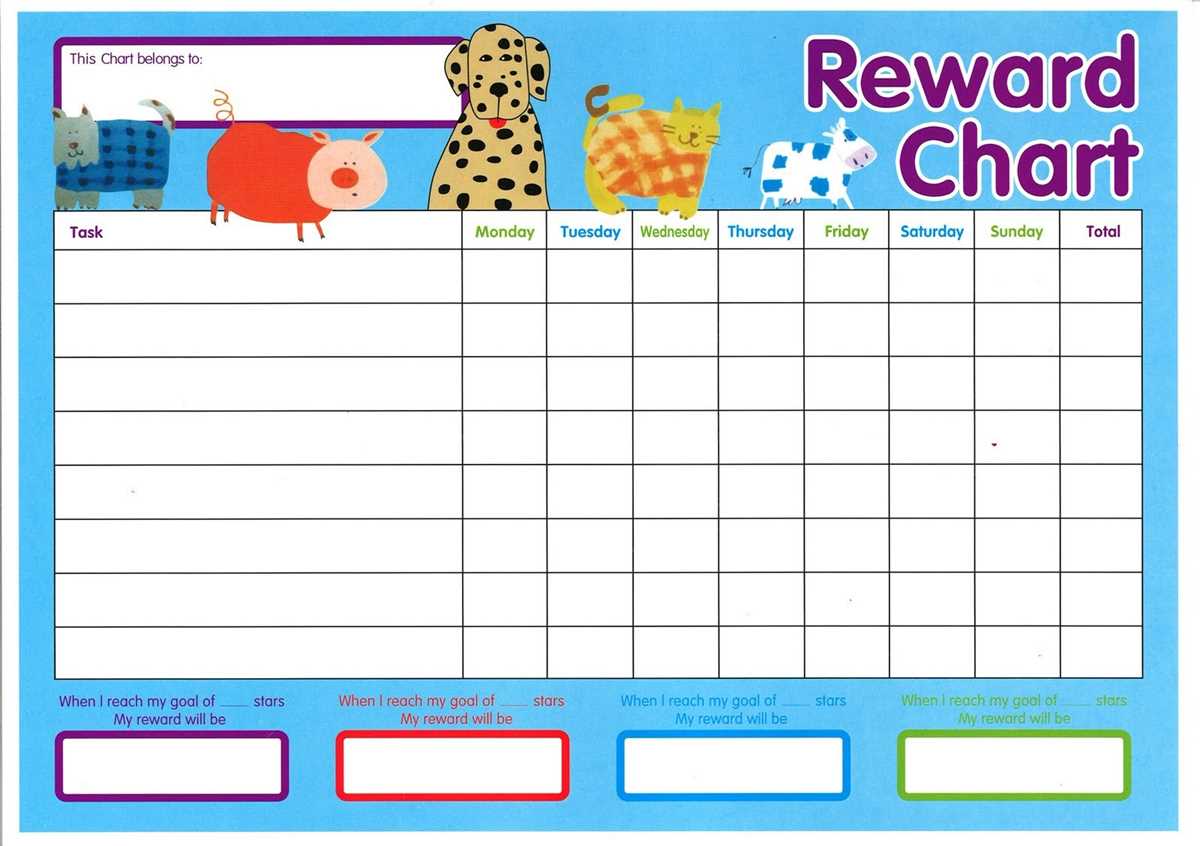
Start by defining clear and measurable tasks that need improvement. For example, if a child is learning to clean up after themselves, the task could be “put toys away.” Instead of using vague concepts, break down the behavior into achievable steps, such as “put toys in the basket” or “organize the toys by type.” These actions will be the focus of the visual tracking system.
Design the system to be visually appealing yet straightforward. Use rows to represent the tasks, with columns that track progress over days or weeks. The goal is to make it easy to visualize success. Each task can be marked with a simple symbol or image when completed, encouraging consistent action.
Incorporate a reward system into the structure. This could be small treats, extra playtime, or even a special outing after completing a certain number of tasks. The reward acts as motivation, linking the completion of a task with a positive outcome, making the entire process enjoyable and meaningful.
Maintaining Engagement and Motivation
Change up the visuals to maintain interest. For instance, use different symbols, shapes, or colors to represent each task. This makes it more exciting for the child and keeps them engaged in their progress. Let the child also have some say in customizing the tracker to make them feel involved.
Keep the tasks manageable by adjusting the level of difficulty as the child progresses. If they consistently meet one goal, move to the next level or add new challenges. This approach not only reinforces the action but also fosters growth by setting new expectations once the previous ones are met.
Update the tracking system regularly, ensuring that it remains fresh and fun. Introduce new rewards or incentives to keep the child motivated. This constant renewal of goals and rewards helps prevent the tracker from becoming a stale routine and ensures that it remains an effective tool for building positive habits.