For personalizing your own cloth banners, it’s key to first choose the right fabric. Cotton or polyester sheets are highly recommended for both durability and ease of printing. These materials can hold vibrant colors and crisp designs, ensuring your final product stands out.
Printing Process and Material Selection
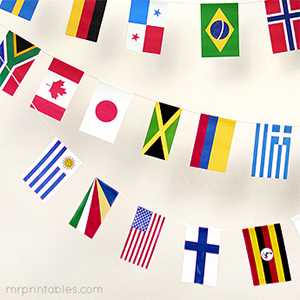
The choice of printing method largely depends on the design complexity and the fabric type. For simpler designs, inkjet printers can do the job, but you must use fabric-specific transfer paper. For more detailed images or larger projects, consider heat transfer vinyl (HTV) or screen printing techniques.
Here’s a quick guide for each method:
- Inkjet Printing: Ideal for smaller quantities. Use fabric transfer paper and follow manufacturer instructions. Iron the transfer onto the fabric for smooth results.
- Heat Transfer Vinyl (HTV): Great for durable designs that will be exposed to weather. Cut the vinyl using a cutting machine, then heat press it onto the fabric.
- Screen Printing: Best for mass production. It involves creating a stencil (screen) and applying ink directly to the fabric. It’s efficient for repetitive designs but requires some setup time.
Customizing Your Fabric for Special Events or Decorations
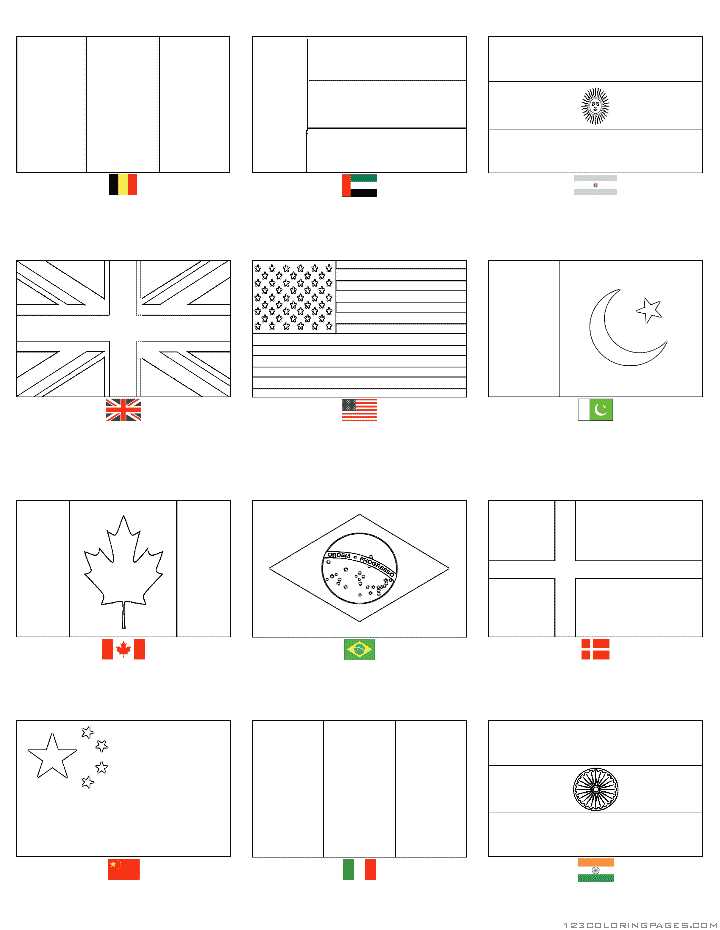
When designing custom pieces for events, it’s helpful to keep the purpose in mind. Whether it’s for a sporting event, a party, or a promotional banner, make sure the design matches the theme. Consider bold colors and large, legible text if the item needs to be visible from a distance.
Here are some additional tips:
- Use high-contrast colors: Bright or bold color schemes ensure your design is eye-catching and easy to read from afar.
- Consider design simplicity: Keep the design clean and straightforward, particularly if it needs to be read or understood quickly by viewers.
- Personalize with patterns or logos: Custom logos or symbols can add uniqueness to the design and help create a lasting impression at your event.
For more intricate work, consider adding details like embroidery or patches for a premium look, especially when working on cloth pieces that will be reused over time.
How to Customize Fabric for Personal and Event Use
Start with choosing the right type of fabric for your design. Cotton or polyester materials are highly recommended as they absorb ink well and are easy to handle. They also maintain durability for both indoor and outdoor use.
Consider using a fabric transfer paper if you are working with a home inkjet printer. This option is cost-effective for smaller quantities and provides good results with vibrant color printing.
If you need larger or more intricate designs, heat transfer vinyl (HTV) is a better choice. It’s easy to work with, and the designs last longer, making them ideal for repeated use or harsh weather conditions.
For highly detailed or large runs of fabric pieces, screen printing can offer the best result. This technique uses stencils to apply ink, allowing for consistent, high-quality prints. However, it requires more setup and time for preparation.
When designing, make sure the colors contrast well with the fabric. Bright and bold colors are often the best choice, especially if the fabric will be displayed outdoors or at a distance. Light fabrics work well with darker ink colors to ensure readability.
If you want to add texture or a premium feel to your design, try embroidery or patches. These techniques provide a more detailed, high-quality look that stands out for special occasions or as decorative items.
For quick personal use, fabric markers are an easy solution. They’re great for adding simple designs and text without needing complex equipment. Markers dry fast and can provide a textured effect, ideal for smaller projects.
Lastly, always test your design on a scrap piece of fabric before starting your main project. This ensures your materials and printer settings are correct and will help avoid mistakes on the final product.