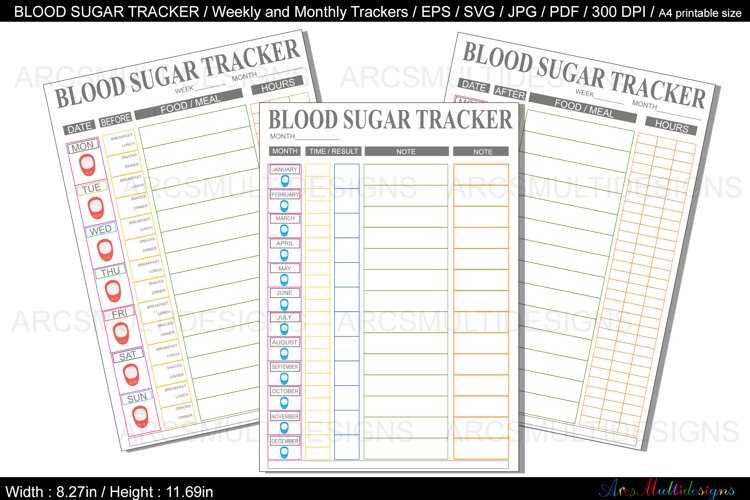
Why Keeping a Regular Log is Beneficial
Recording fluctuations in your glucose levels can offer valuable insights into how lifestyle changes, medications, or meals impact your health. With the right set of logs, it’s easier to spot trends and identify factors that influence your numbers. This can aid in making informed decisions with your healthcare provider.
How to Use a Monitoring Sheet
To make the most out of your daily tracking, follow these guidelines:
- Time of Measurement: Record the exact time when measurements are taken. This helps determine how long it has been since your last meal, workout, or medication dose.
- Meal Details: Keep a brief note of what you eat, especially if you’re following a specific diet or trying to observe how particular foods influence your body.
- Medication or Insulin: If you’re on medication, jot down the type and dosage. This is key to understanding how your treatment plan is affecting your readings.
- Activity Log: Include any exercise you do, whether it’s light walking or a more intense workout. Physical activity plays a significant role in glucose levels.
- Emotional State: Stress can cause glucose to rise. Tracking how you feel during the day can highlight emotional triggers.
Setting Up Your Tracking Sheet
Consider breaking your log into categories like morning, after meals, before bed, or pre/post-exercise. This segmentation helps with better comparison and evaluation over time.
What Data to Track
- Reading Values: Write down your actual readings. Include both high and low points.
- Target Range: Most individuals have a target range. Make sure to note your goals and whether you are within those ranges.
- Additional Observations: Include any symptoms, like dizziness or fatigue, that you experience at the time of measuring. These could provide valuable context for your healthcare team.
Utilizing Logs for Better Health Decisions
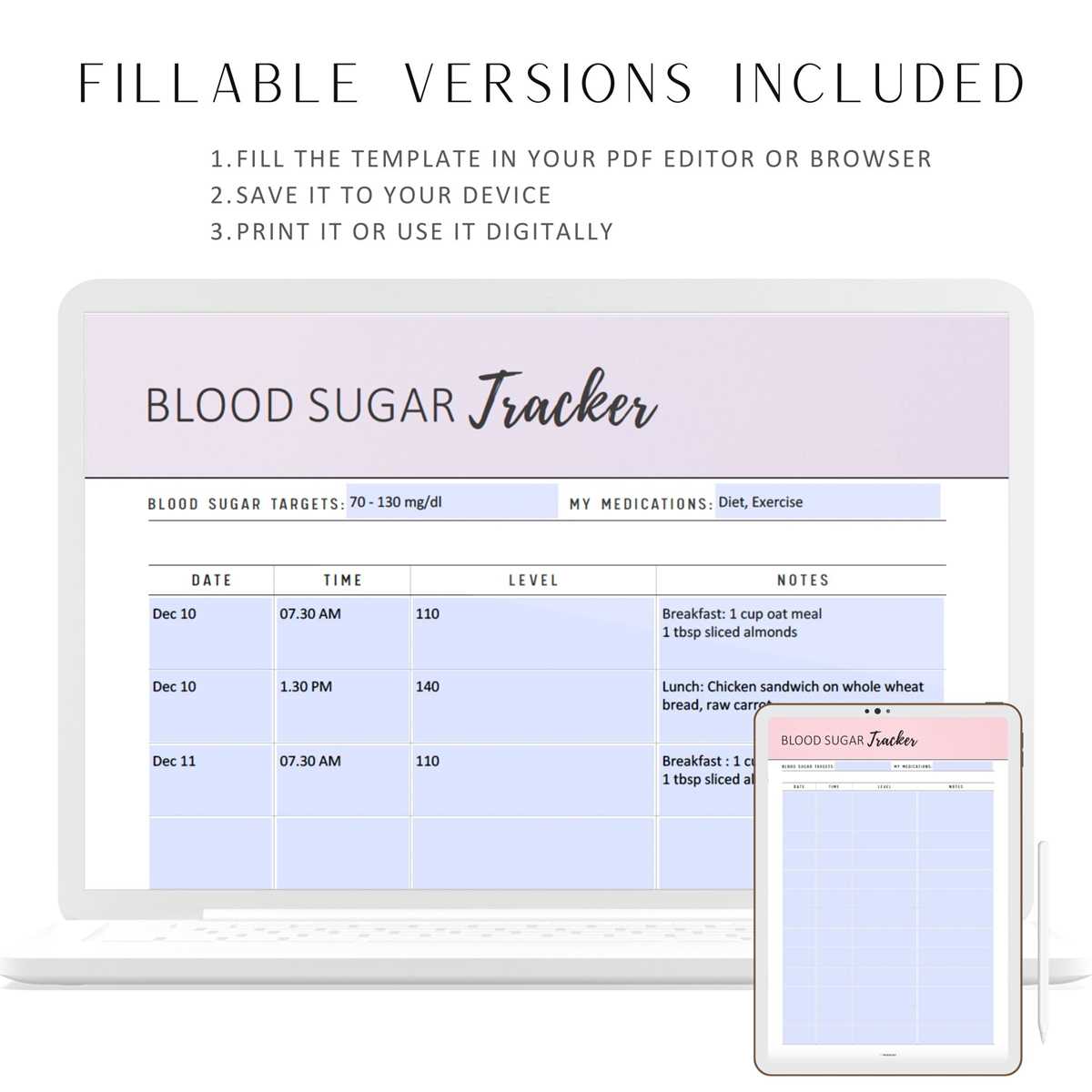
Once you’ve built up enough data, review your logs regularly. Pay attention to patterns and see if any external factors–such as specific meals, lack of rest, or changes in activity–correlate with changes in your readings. Sharing this information with your doctor can be helpful when discussing treatment adjustments or lifestyle modifications.
Consistency is Key
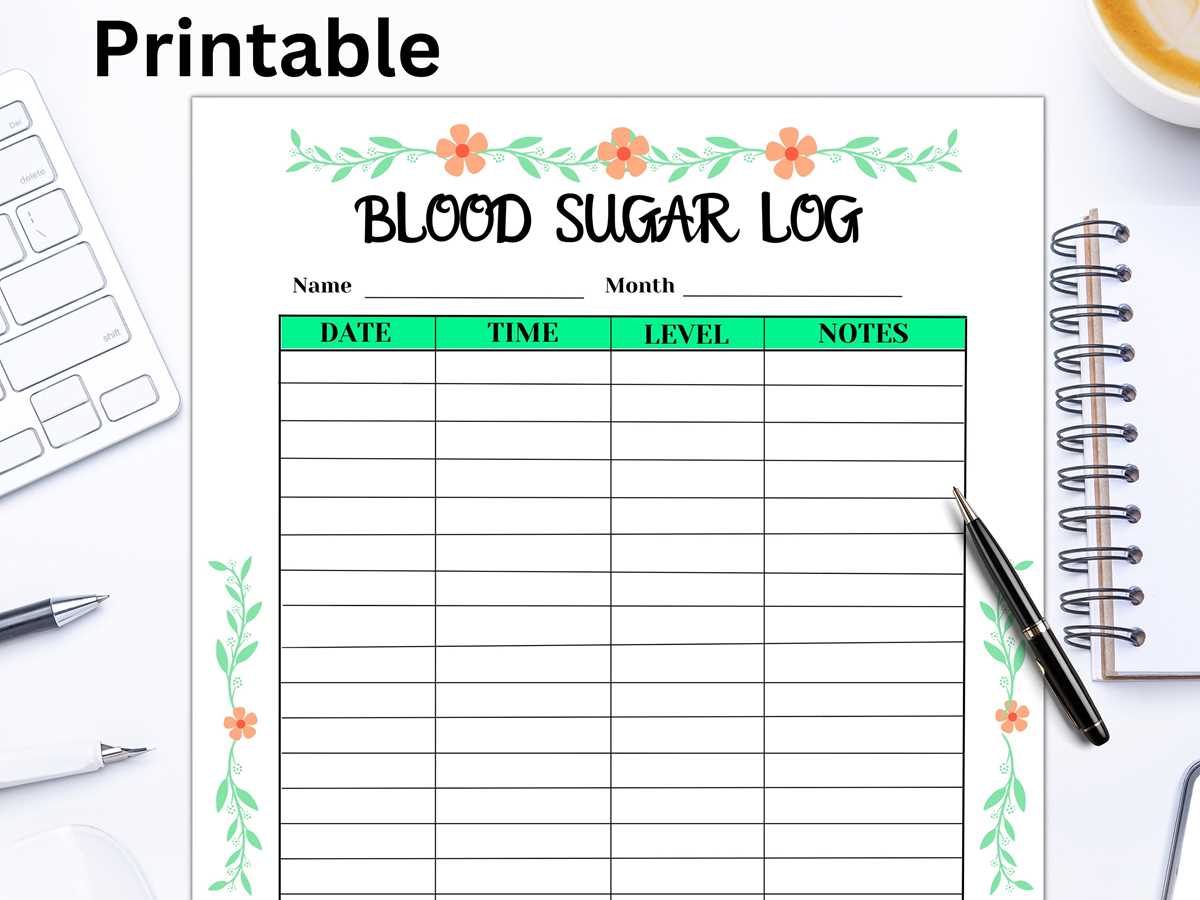
Regularly completing your log provides a clearer picture of your health. Aim for daily entries, and ensure you don’t skip important details, even on days when your numbers seem stable.
Effective Tracking for Optimal Glucose Monitoring
For individuals managing their glucose levels, recording measurements at regular intervals is a straightforward yet powerful method. A clear and organized format helps to monitor fluctuations more accurately and identify patterns that are key to long-term management. Choose a layout that offers enough space for date, time, and numerical readings to ensure no detail is missed. A weekly overview can help spot trends that might otherwise go unnoticed.
It’s beneficial to record other variables, such as meals, exercise routines, and medication, to understand how each element affects your levels. Incorporating a section for additional notes can provide insight into daily fluctuations, such as feeling unwell or increased stress. This holistic approach can give a fuller picture of the factors influencing readings.
One helpful suggestion is to separate morning, afternoon, and evening readings for better clarity. If possible, set a consistent time for each test to minimize variables that could alter the results. Consistency in testing times can make the tracking process smoother and more reliable, which helps in making informed decisions about dietary or lifestyle changes.
Reviewing recorded data periodically can help in detecting patterns, whether it’s an unusual spike or a consistent drop that needs attention. Regularly assessing results will support adjustments to medication or diet and provide a clear record to share with healthcare professionals. This simple practice can be invaluable in managing one’s health more effectively.