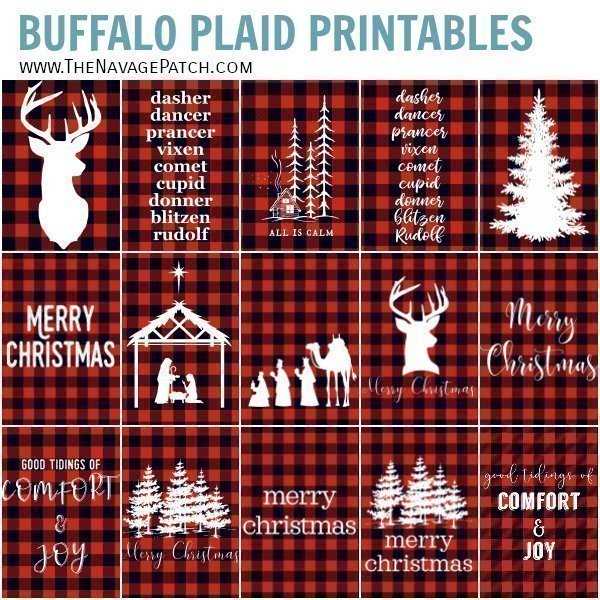
Choose a high resolution red and black check design at 300 DPI and set your printer scale to 100 percent to keep the squares perfectly aligned. For wall art, select a 12×12 inch file; for gift tags, reduce the layout to 4×6 inches to minimize ink use while preserving sharp edges.
Use thick matte cardstock between 200 and 250 gsm for signs, banners, and table accents to prevent curling and color bleed. For wrapping paper or drawer liners, standard 90–120 gsm paper works well and folds cleanly without cracking along the check lines.
Adjust color settings to “high quality” or “photo” mode if you need deep black blocks and saturated red tones. Disable automatic color correction to avoid faded squares or uneven contrast. Always print a single test sheet and measure one square with a ruler; it should match the intended size, typically 1×1 inch or 2×2 inches depending on the file.
For larger backdrops, tile multiple pages using the poster setting and trim margins precisely with a craft knife and metal ruler. Align the grid pattern carefully so the check intersections remain seamless across sheets, creating a continuous rustic look suitable for party tables, seasonal displays, or farmhouse style frames.
Store digital checkered templates in organized folders by color variation such as red black, navy white, or green black. Rename files with dimensions included, for example “red_black_check_12x12”, so you can locate the correct format quickly for labels, invitations, or DIY wall panels.
Buffalo Plaid Printables for Rustic Crafts and Home Decor
Select a high contrast red and black check pattern sized at 1×1 inch squares for small crafts and 2×2 inch squares for wall pieces. Maintain 300 DPI resolution and print at actual size to keep the grid sharp and proportional across frames, tags, and tabletop accents.
Use heavyweight cardstock between 220 and 270 gsm for signs, garlands, and framed inserts so the dark blocks remain solid and the paper does not warp. For jar wraps or paper chains, standard 100 gsm sheets fold more cleanly and reduce cracking along the color transitions.
Adjust printer settings to high quality mode and disable toner saving options. Test one page before batch printing and compare the black areas under natural light; they should appear deep charcoal rather than gray. If the red looks dull, increase color density by 5–10 percent in advanced settings.
For large farmhouse style backdrops, use the poster or tiled option and overlap sheets by 0.25 inches. Trim margins with a craft knife and align the check intersections carefully so the pattern flows without visible seams.
Laminate smaller sheets for reusable placemats or tray liners. A 3 mil laminate pouch provides flexibility, while 5 mil adds rigidity for hanging decor. Punch holes with a reinforced eyelet if you plan to suspend banners on twine.
Combine the classic lumberjack grid with neutral textures such as kraft paper, burlap ribbon, or unfinished wood frames. Limit the palette to two or three colors to prevent visual clutter and keep the rustic theme cohesive across shelves and entryway displays.
Resize digital check files in design software by locking aspect ratio before scaling. Enter exact dimensions such as 8×10 inches for standard frames or 5×7 inches for greeting cards. Avoid stretching horizontally or vertically, which distorts the square alignment.
Store finished sheets flat in labeled folders sorted by color scheme and square size. Keep them away from humidity to prevent curling, and stack with protective tissue between layers so the dark pigment does not transfer onto lighter surfaces.
How to Choose the Right Buffalo Check Pattern Size and Color Combination for Your Project
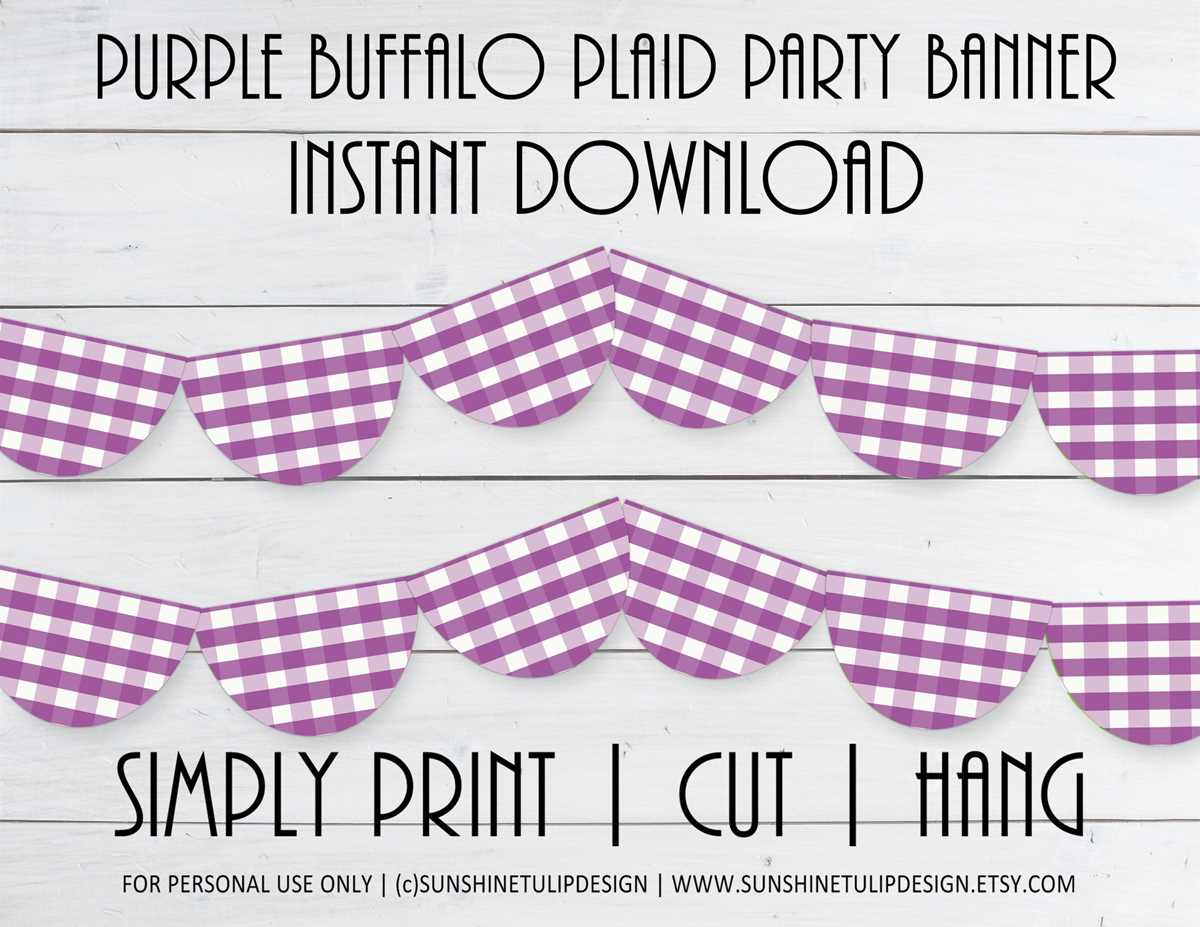
Select square scale based on viewing distance and surface area. For greeting cards and gift tags, use checks between 0.5 and 1 inch to avoid overwhelming small formats. For wall art sized 11×14 inches or larger, choose 2 to 3 inch blocks so the grid remains visible from 6–10 feet away.
Match color contrast to the purpose of the piece:
- Red and black for bold holiday decor and winter themes
- Black and white for minimalist farmhouse interiors
- Navy and white for coastal accents
- Green and black for cabin or woodland projects
- Gray and cream for neutral nursery or bedroom styling
Test saturation levels before final output. Dark tones should reach near 90–100% black density, while lighter squares need enough contrast to keep the checker grid defined under warm indoor lighting. Print a 4×4 inch sample and view it in the room where it will be displayed.
Consider material and finish when selecting size. On glossy photo paper, smaller grids appear sharper and more refined. On matte cardstock or textured stock, medium or large checks reduce visual noise caused by paper grain.
Align the grid proportion with project dimensions. If creating a 5×7 inch insert, ensure the total width fits an even number of squares such as five 1-inch blocks rather than 4.75. Clean alignment along edges prevents awkward partial squares and keeps the check pattern balanced.