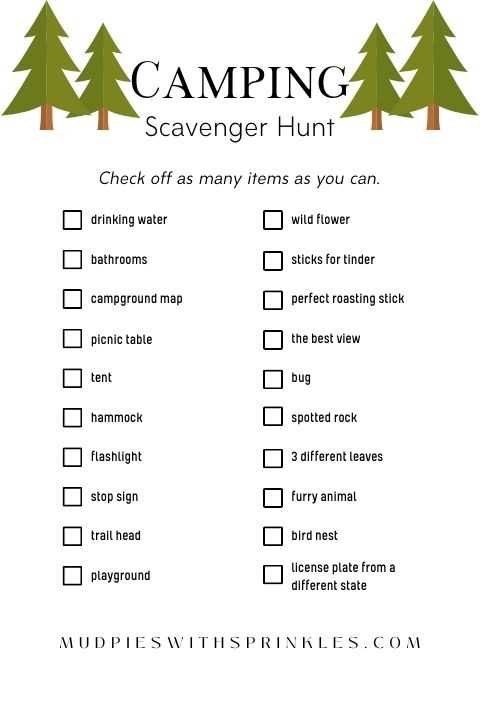
Start by selecting a range of natural items for the children to identify or find during your outdoor adventure. Focus on objects like specific types of leaves, flowers, rocks, or even certain animal tracks. This keeps the activity engaging and educational while also connecting children to the environment around them.
Make the task easier by categorizing the objects based on difficulty levels, like easy-to-find plants or more challenging items like tree bark textures. Give the kids clues or pictures to help them locate each item. This method can boost excitement and add a sense of accomplishment as they tick off each found object.
Be sure to prepare the materials ahead of time, whether it’s creating a simple handout or having digital tools to track their findings. Whether in a forest, park, or backyard, customize the activity to match your surroundings. Plan for breaks and include educational aspects, such as learning about the different flora or fauna they encounter.
Camping Exploration Ideas for Kids
Start by introducing a nature-based challenge. Have kids find objects of different colors, such as a red leaf, a yellow flower, or a brown stone. This encourages them to observe the environment closely, looking for colors in the natural world around them.
Another fun idea is to focus on textures. Ask the children to locate items with specific textures, such as smooth rocks, rough bark, soft moss, or spiky pinecones. This adds an educational layer to the activity, helping them identify the unique characteristics of different materials.
For a more interactive experience, include a wildlife search. Provide pictures of common animals or insects they might spot and challenge them to find evidence, such as footprints, webs, or nests. This helps connect the children to the ecosystem and stimulates their curiosity about local fauna.
To increase engagement, turn the activity into a teamwork challenge. Split the kids into groups and assign them tasks, such as finding three types of flowers, collecting a variety of leaves, or spotting a bird. The group that completes their list first wins a small prize, making the exploration both fun and competitive.
If you’re in a wooded area, you could create a “sound” search. Have the children listen for certain sounds, like the rustling of leaves, birdsong, or animal calls. This sharpens their auditory skills and teaches them to tune into the environment in a more profound way.
Lastly, make sure to incorporate a section where kids can creatively draw what they find or even make a simple nature journal. Encourage them to sketch or describe items they’ve discovered. This gives them a keepsake of their outdoor adventure while enhancing their observation and memory skills.
How to Create a Scavenger Hunt for Kids in the Outdoors
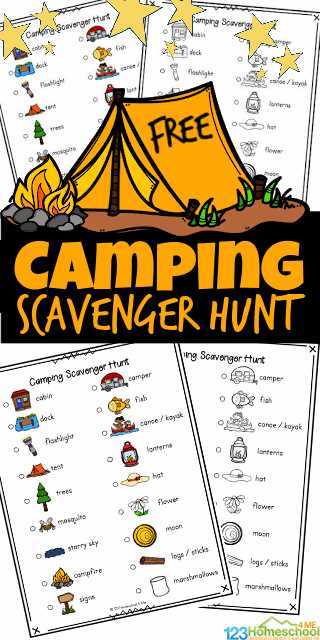
Start by choosing a theme for the activity. This could be based on the environment, like finding different types of leaves, rocks, or insects, or it could be more abstract, such as finding objects of specific colors or shapes. Deciding on a theme will help focus the search and make it more engaging for kids.
Next, list the items or experiences the kids should find. Keep the list varied and balanced between easy and challenging finds. For example, you could ask them to locate a smooth stone, a feather, a flower, and a tree stump. These are items they can realistically find but will still require effort and attention to detail.
Decide whether you’ll set boundaries for the search area. Defining a specific region, such as a small wooded area or a portion of a park, can help keep kids safe while allowing them to explore freely. You can make the challenge more interesting by creating zones where certain objects are more likely to be found.
Provide clear instructions to the participants. Before starting, explain the rules and let the kids know what they are allowed and not allowed to do. If necessary, remind them about safety precautions, such as staying within designated boundaries and not disturbing wildlife or fragile plants.
If you want to add a competitive element, split the kids into teams. Each team can be given the same list of objects to find, or you can assign them different challenges based on the same theme. The first team to complete their task or find all their items wins a small prize.
To make it educational, include tasks that involve observation or problem-solving. For example, you could challenge the children to spot a certain type of bird or to find an animal’s tracks. These tasks teach kids to engage with nature more deeply and develop their observation skills.
Ensure there are opportunities for creativity during the activity. Allow the children to sketch what they find or take notes on their observations. This not only provides a fun break but also encourages them to focus on the details and appreciate the environment in a different way.
Finally, wrap up the activity by gathering the kids together and reviewing what they discovered. Ask them to share what they found, discuss any challenges they faced, and celebrate their successes. This debriefing enhances their learning experience and gives them a sense of accomplishment.