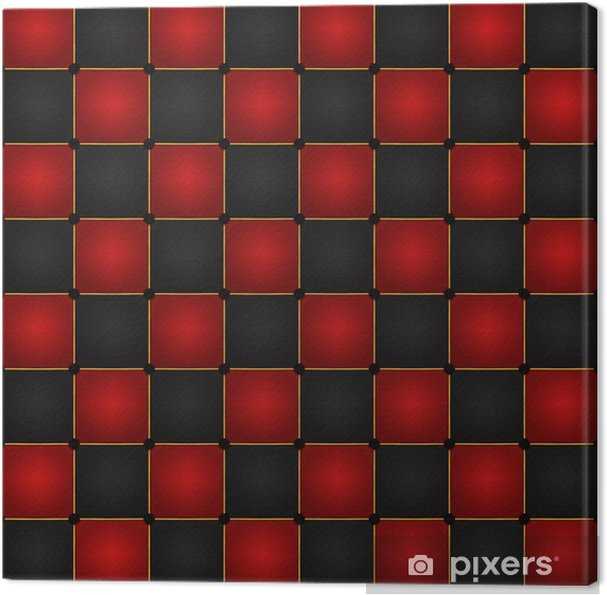
Download an 8×8 game grid in PDF format at 300 DPI and letter size 8.5×11 inches to ensure sharp squares and accurate proportions on standard home printers.
Grid Size and Layout Settings
Use a classic 8 by 8 square layout with alternating dark and light fields. Each square should measure 1 to 1.25 inches on letter paper, resulting in a total playing area of 8 to 10 inches wide. Keep outer margins at 0.5 inches to prevent trimming.
- Line thickness: 0.75 pt for outer border, 0.5 pt for inner lines.
- Color mode: black and white for low ink usage, RGB for color versions.
- Orientation: portrait for single sheet, landscape for larger squares.
Scaling for Larger Formats
For classroom walls or tournaments, switch to 11×17 inches or A3 paper. Increase each square to 1.5–2 inches for easier piece movement. Maintain equal spacing so diagonal alignment remains accurate.
Material and Durability Options
Print on 24–28 lb paper stock to reduce curling. For repeated play, laminate with 3–5 mil film or mount the sheet on thin cardboard using spray adhesive.
Travel and Portable Use
Fold the sheet along grid lines to avoid creases across dark fields. Store inside a plastic sleeve to prevent moisture damage.
Custom Variations
- Create a blank version without color fill for classroom coloring activities.
- Add coordinate labels A–H and 1–8 along edges for training drills.
- Insert a subtle watermark logo at 10% opacity for branded sets.
Checker Board Printable
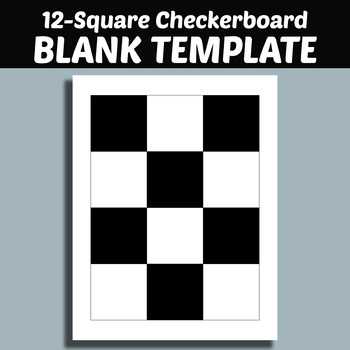
Download an 8×8 playing grid in PDF format at 300 DPI and print at 100% scale on 8.5×11 inch paper to keep all 64 squares perfectly aligned and evenly sized.
Set each square to 1.25 inches for comfortable piece movement; this produces a total play area of 10×10 inches including outer borders. Keep the border line at 1 pt thickness and inner lines at 0.5 pt to prevent visual clutter while maintaining clear separation between dark and light fields.
Choose black and white fill for low ink usage or apply two high-contrast colors with 60–70% saturation to improve visibility under classroom lighting. Avoid gradients, as solid fills produce sharper edges on standard inkjet and laser devices.
For larger formats, switch to 11×17 inch paper and increase square size to 1.75 inches. Maintain equal spacing horizontally and vertically so diagonal movement remains accurate during play.
Use 28 lb paper stock or laminate with 3–5 mil film for repeated sessions. Store the sheet flat or fold along grid lines only, keeping creases away from central intersections to prevent distortion of the pattern.