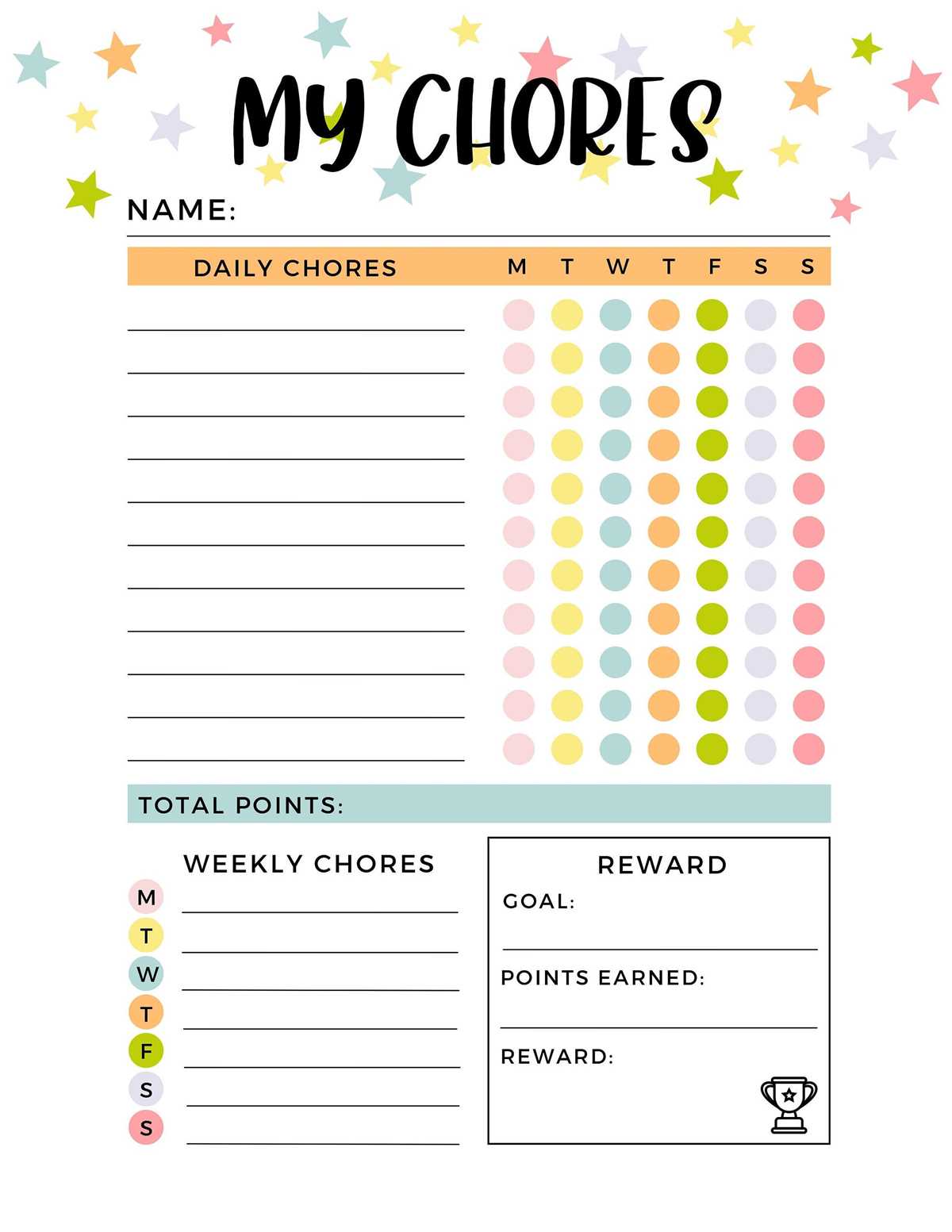
Use a weekly duties planner sheet placed in a visible spot to reduce missed tasks and repeated reminders. A clear grid with names on the left and days across the top helps assign responsibility without verbal follow-ups. For families, this approach cuts daily coordination time by several minutes and lowers conflict around forgotten work.
Choose layouts with predefined sections for daily, weekly, and monthly actions. Daily sections work well for quick routines like tidying surfaces or feeding pets, while weekly blocks suit deeper cleaning. Monthly areas handle infrequent work such as filter replacement or pantry checks. This structure prevents overload by spreading work evenly across time.
For children, visual markers outperform text-heavy formats. Icons, check boxes, and short labels improve completion rates and encourage independence. Adults benefit from priority markers and time estimates, which help balance household work with jobs and study schedules.
Keep several blank planner sheets available and refresh them every 7–10 days. Rotating assignments avoids burnout and teaches shared responsibility. A simple paper-based planner remains reliable during busy mornings, power outages, or device downtime, while still offering clarity and accountability.
Chore List Printable: Practical Planning for Daily Tasks
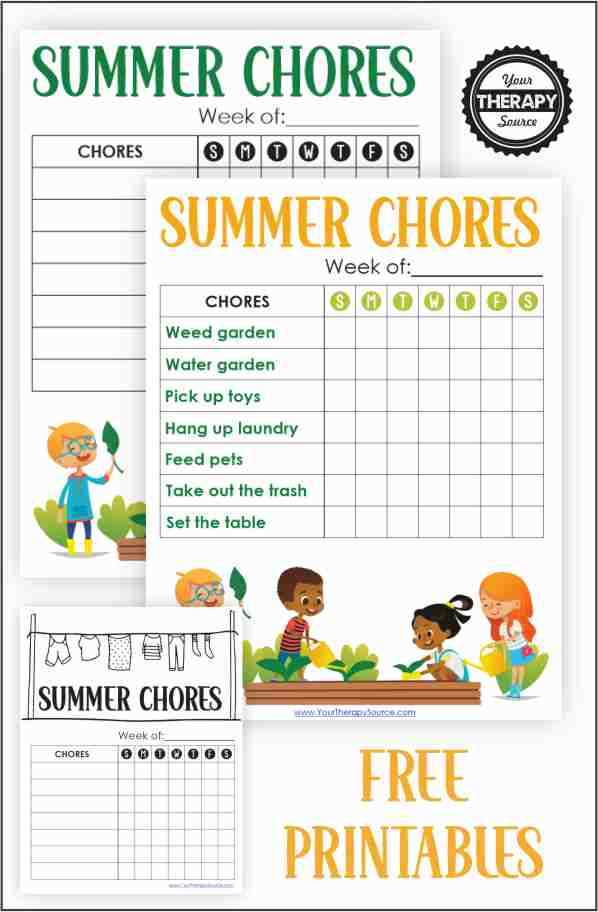
Assign daily household duties on a single-page sheet with fixed time blocks, then pin it at eye level in the kitchen or hallway to reduce missed actions; limit entries to 6–8 items per day, group them by morning, afternoon, and evening, and attach a checkbox next to each duty to track completion without rewriting.
For households with multiple people, divide responsibilities by role rather than by room: cooking support, surface cleaning, waste handling, laundry cycles, pet care, and quick maintenance checks. Use clear verbs and measurable targets–“wipe counters for 5 minutes,” “run dishwasher by 9 pm,” “take trash to bin on Tue/Thu”–so expectations stay unambiguous. Rotate assignments weekly to balance workload, reserve one blank row for unexpected actions, and review the sheet every Sunday to adjust durations based on real completion times.
Choosing the Right Printable Format for Your Household Tasks
Select a page size that matches your home printer first: A4 for most regions, Letter for the US, with 12–15 mm margins to prevent clipping and allow hole-punching for binders.
Choose a layout that matches how duties are tracked day to day. Dense tables suit shared spaces like kitchens, while segmented blocks work better for personal rooms.
- Grid-based worksheets for rotating responsibilities across family members
- Tick-box layouts for quick confirmation without extra notes
- Weekly planners with fixed rows to avoid rewriting headings
Reduce ink usage by favoring grayscale designs and line weights under 0.75 pt. Reserve color accents only for priority markers; a single highlight shade cuts cartridge consumption by up to 40% compared to full-color pages.
Pick a file type based on how often edits happen.
- PDF for locked formatting and consistent output on any device
- DOCX for adjustable text fields and name changes
- XLSX for auto-calculations when tracking frequency or scores
Confirm readability before finalizing: sans-serif fonts at 10.5–11.5 pt, line spacing at 1.2–1.3, and icons no smaller than 8 mm to stay clear at arm’s length on a refrigerator door.