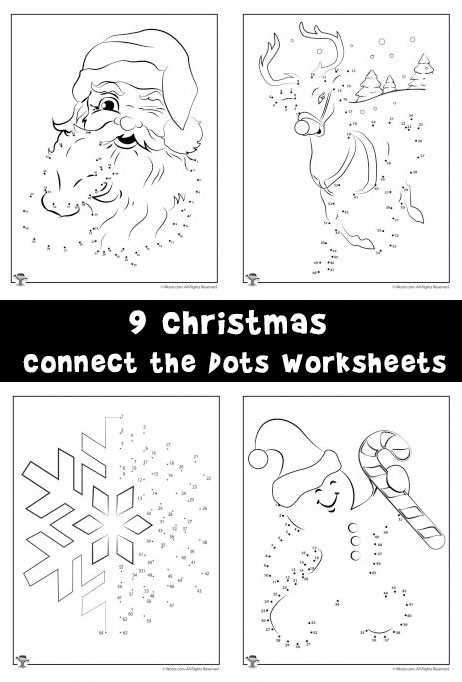
Use numbered point puzzles with clear spacing of 8–12 mm for younger children; this distance supports accurate pencil control and reduces visual overload. Select images built from 20–40 points for ages 4–6, while older learners handle 60–120 points without losing attention.
Choosing Right Puzzle Complexity for Different Ages
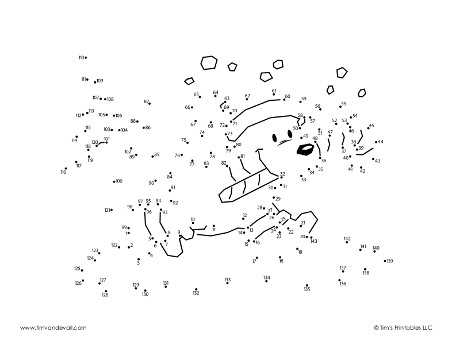
Match challenge level to motor development rather than grade. Simple outlines with short numeric sequences build confidence, while longer paths train sequencing skills and patience. Avoid overcrowded layouts; clean white space helps eyes track progression.
- Ages 4–5: large markers, numbers up to 20, bold guiding lines
- Ages 6–7: thinner paths, numbers up to 50, moderate detail
- Ages 8+: complex scenes, numbers beyond 80, varied angles
Paper weight around 120–160 gsm prevents tearing during erasing and coloring. Matte surfaces work better than glossy stock because graphite grips surface without smudging.
Integrating Point to Point Pages into Seasonal Lessons
Place sheets at activity stations with colored pencils, fine liners, and clipboards to create a self-directed task that requires minimal supervision. Completed pictures can become greeting cards, wall displays, or storytelling prompts.
- Ask children to predict image before finishing sequence to train observation.
- Encourage tracing finished outline with darker ink for precision practice.
- Add shading or patterns inside shapes to extend task by 5–10 minutes.
Rotate themes such as snow scenes, gift boxes, stars, or winter animals to maintain curiosity while reinforcing numeric order recognition.
Tips for Classroom Management
Prepare sorted stacks labeled by difficulty so learners choose without confusion. Provide scrap paper for testing pens, reducing mistakes on main sheet. Store finished work in flat folders to avoid curling edges.
Skill Development Benefits
These exercises strengthen hand stability, number sequencing, spatial awareness, and focus duration. Repeated use across several weeks shows visible improvement in line accuracy and task completion speed.
Low Prep Setup for Teachers and Parents
Keep a digital folder of master pages ready for quick reproduction, allowing fast replacement of used materials. A single set can support multiple groups across an entire winter season.
Christmas Join the Dots Printables for Holiday Learning Activities
Choose sequencing puzzles with numbered paths that match students’ counting ability, such as 1–25 for early learners or 1–80 for older children, and hand them out as a quiet task between high-energy seasonal events.
Use imagery linked to winter celebrations–trees, wrapped gifts, bells, stars, sleighs–to connect math practice with familiar symbols while keeping attention anchored on number order and line control.
Provide sharpened pencils with medium hardness (HB or B) so lines appear clearly without tearing paper; add colored pencils afterward for decoration, extending each worksheet into a two-stage activity that blends logic and creativity.
Set a visible timer for 7–12 minutes to create structure. Short sessions prevent fatigue and maintain accuracy, especially for younger participants who are still developing fine motor coordination.
After completion, ask learners to trace outlines with a thin marker and identify shapes they revealed. This reinforces recognition skills and builds confidence through a visible finished picture.
Store completed sheets in seasonal portfolios or use them as handmade cards for families, turning a simple counting exercise into a meaningful product that also documents progress over several weeks.