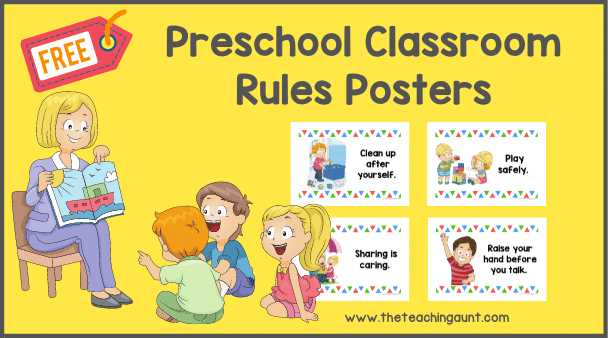
One of the most practical approaches for reinforcing expectations in the learning environment is through visual reminders that students can easily reference. These visual aids serve as constant cues to help maintain structure and encourage positive conduct throughout the day.
How to Customize Visual Aids for Different Age Groups
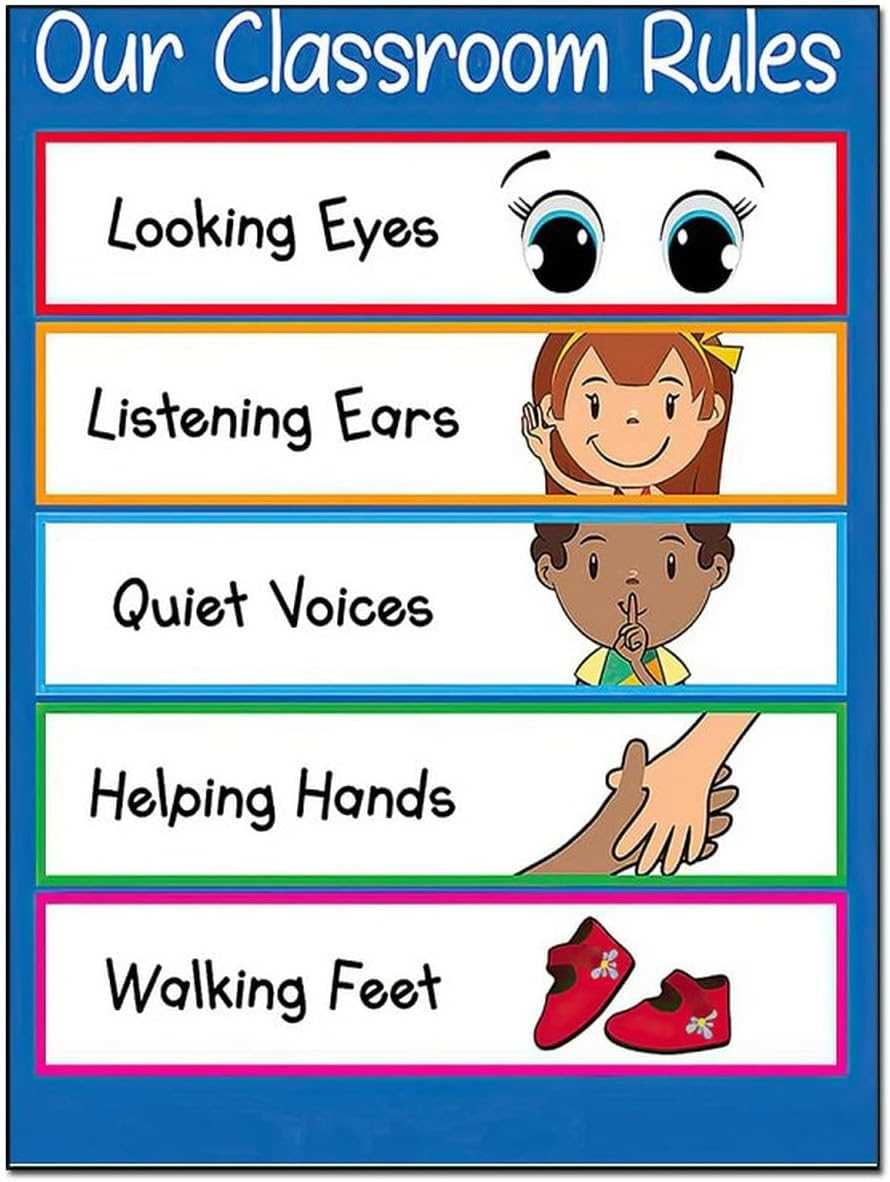
When designing visual reminders, it’s crucial to tailor them to the age and cognitive abilities of your students. For younger children, opt for bright, engaging visuals with clear, simple images. Use large fonts and bold colors to draw attention. These students may respond better to cartoonish images or animal characters to make the concepts more relatable and fun.
For older students, the design should be more streamlined. Use minimalist graphics with concise text. Motivational quotes or specific, actionable phrases can be incorporated. Consider adding a mix of symbols and words for a more sophisticated yet still approachable design.
Choosing the Right Language
Language plays a pivotal role in the effectiveness of visual cues. For young learners, avoid long sentences. Use short, easy-to-understand commands like “Be kind” or “Stay focused.” For older students, more detailed language can be used, such as “Respect everyone’s space” or “Take responsibility for your actions.”
Incorporating Student Input
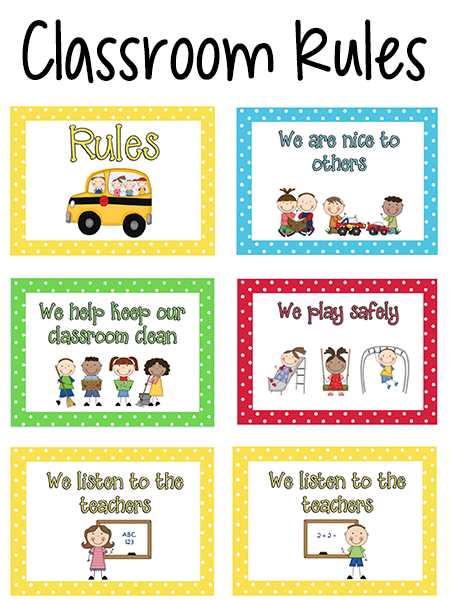
Involving students in the creation of these visuals can help them feel more invested. Let them brainstorm ideas or help design the layouts. This gives students a sense of ownership and makes the expectations more meaningful to them. Additionally, you can make adjustments based on the feedback you receive from your students, ensuring that the aids remain relevant.
Where to Find High-Quality, Free Resources
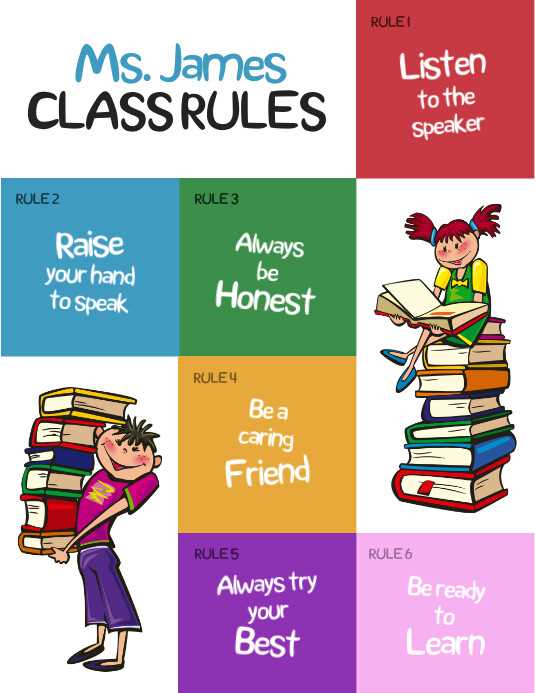
There are numerous online resources where you can access pre-made visuals that you can either print directly or modify to fit your classroom’s needs. Many websites offer free templates that you can customize, saving time while still ensuring that the aids align with your specific goals.
- Teachers Pay Teachers – Offers a wide range of downloadable content that includes customizable designs for behavior management.
- Canva – A free online tool where you can create personalized designs. Canva also has free templates specifically designed for classroom behavior management.
- Education.com – Another great resource for downloadable and printable materials that cater to various grade levels.
- Pinterest – A platform full of teacher-created ideas and printable visuals. Search for “classroom expectations” or “behavior charts” to find a wealth of options.
Customization Tips
When using these resources, keep in mind that you can make minor adjustments to better fit the style of your classroom or the needs of your students. Customize colors, fonts, and wording to ensure that the visuals are clear and engaging.
Printing and Displaying
Once your visuals are ready, print them in a format that suits your classroom size and layout. Posters can be printed in various sizes, but ensure they are large enough to be easily visible from anywhere in the room. Display them in high-traffic areas like near the entrance or on the wall where students frequently gather.
Regularly refer to these visuals during lessons to reinforce expectations and create a consistent environment. This ongoing exposure helps students internalize the behaviors you want to promote.
How to Use Behavior Visuals to Maintain Order
For clear guidance, include visual cues that highlight positive conduct and common expectations. A clean, simple design works best to avoid overwhelming students. For younger learners, opt for bright colors and large, easy-to-read text. Keep the messages short and straightforward, like “Listen carefully” or “Raise your hand.” Position these visuals near the entrance or on the wall at student eye-level so they are always within sight.
Incorporate a mix of images and text, especially for younger students who may not yet be fluent in reading. For example, pairing the word “Respect” with an image of two students shaking hands can reinforce the concept. This approach enhances comprehension and engagement by linking visuals to the desired actions. Allow students to help create or suggest designs, which can increase their connection to the behavior expectations.
As for the format, consider printing the visuals in different sizes. Larger visuals can be displayed in the front of the room, while smaller ones can be placed on desks or other prominent spots. If you use laminated prints, they will last longer and remain intact even with heavy use. Regularly reference the visuals throughout the day to remind students of the standards and expectations you want them to follow.