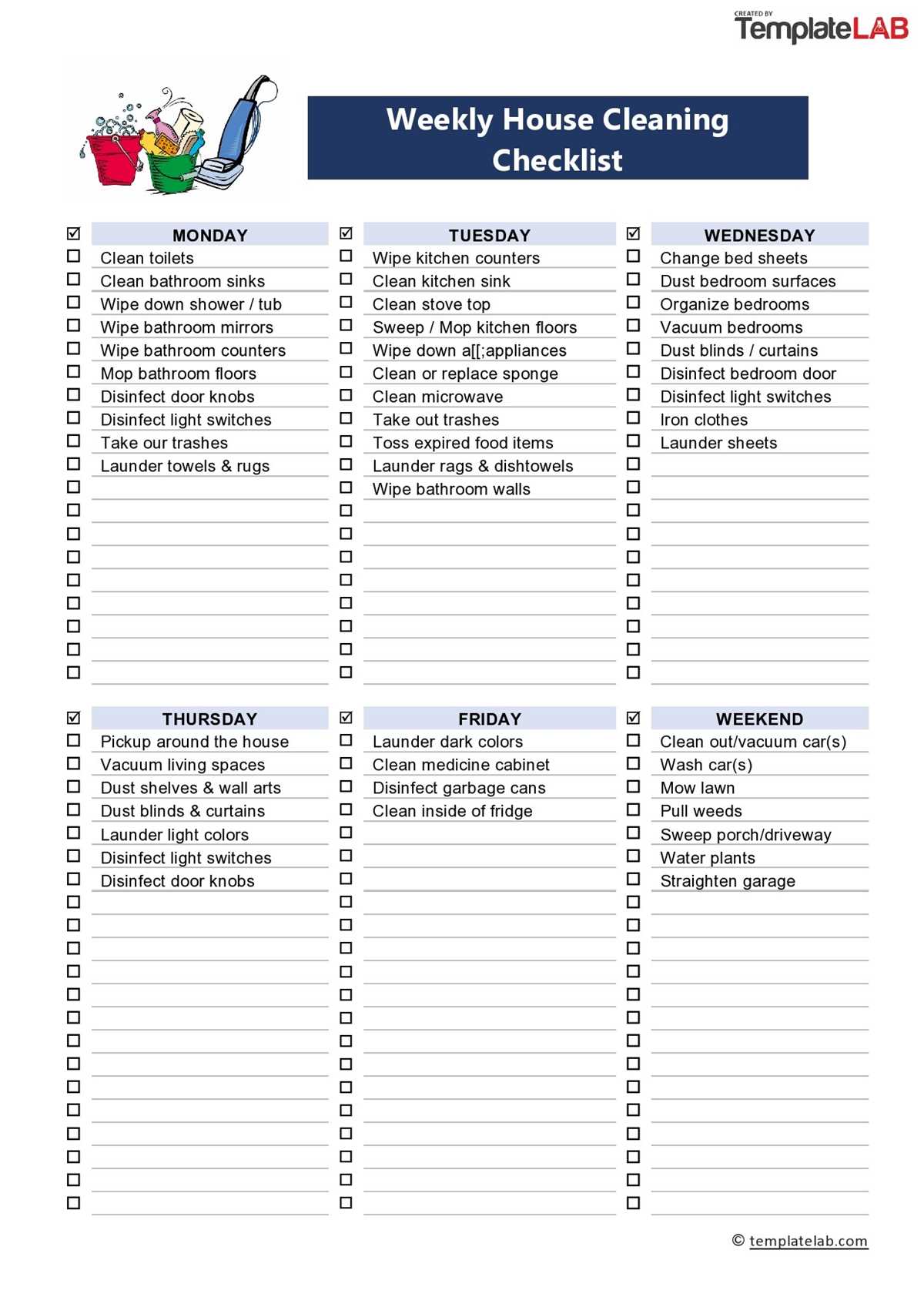
Creating a structured plan to handle household chores can make maintenance more manageable. Use a simple template that divides tasks by day or by room, ensuring nothing gets overlooked. By visually breaking down the tasks, you’ll stay on track without feeling overwhelmed.
Start by grouping your chores into categories, such as daily, weekly, and monthly. This allows you to focus on what needs immediate attention while planning for the longer-term upkeep. Keep the system flexible so it adapts to your schedule and cleaning preferences.
For better results, make use of a clear, easy-to-follow outline. This can be kept in a visible spot, like the fridge or on a bulletin board, so everyone in the household knows what needs to be done. Tracking your progress will keep motivation high, and having a physical reminder ensures you stay organized.
Organize Household Tasks with a Simple Visual Plan
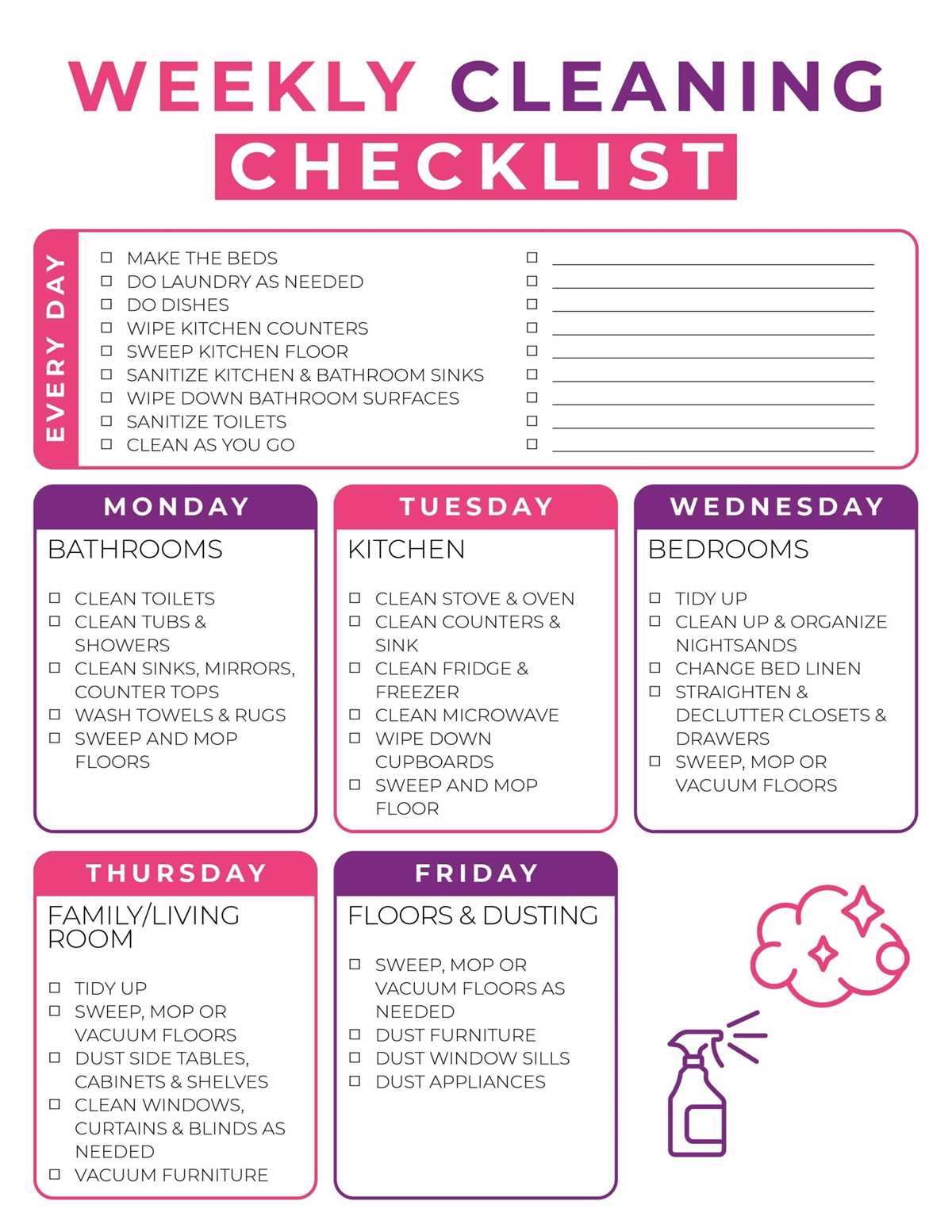
To create a functional plan, divide daily, weekly, and monthly tasks. For example, designate simple chores like wiping down counters as daily, while more involved ones like washing windows or deep cleaning the fridge can be added to your weekly or monthly tasks.
Design a format that works best for your space. You can create a list, chart, or grid layout. A clean, clear layout makes it easy to follow and stay on top of responsibilities. You can print it out and hang it in a place where it’s visible to everyone in the home, ensuring accountability.
For long-term success, keep flexibility in mind. Allow for changes in task assignments or timing depending on personal schedules. Flexibility helps prevent frustration and burnout, especially when unexpected events disrupt your usual routine.
To keep things visually appealing, use color coding. Assign specific colors to different task types–blue for daily duties, green for weekly, and red for monthly. This helps you quickly identify which tasks need immediate attention.
If possible, encourage family members or roommates to get involved. Delegate tasks and check in periodically to ensure everyone stays on track. This will help share the workload and keep everyone engaged in maintaining a clean space.
Track your progress by checking off completed items. This creates a sense of accomplishment and motivates you to keep going. Consider setting up a reward system to make the process more enjoyable and to celebrate milestones reached.
Finally, update the layout as needed. If some tasks prove to be too frequent or too rare, adjust the plan. Regularly revisiting and tweaking your system will ensure that it continues to meet your needs and keeps your home organized efficiently.
How to Customize Your Task Plan for Your Home
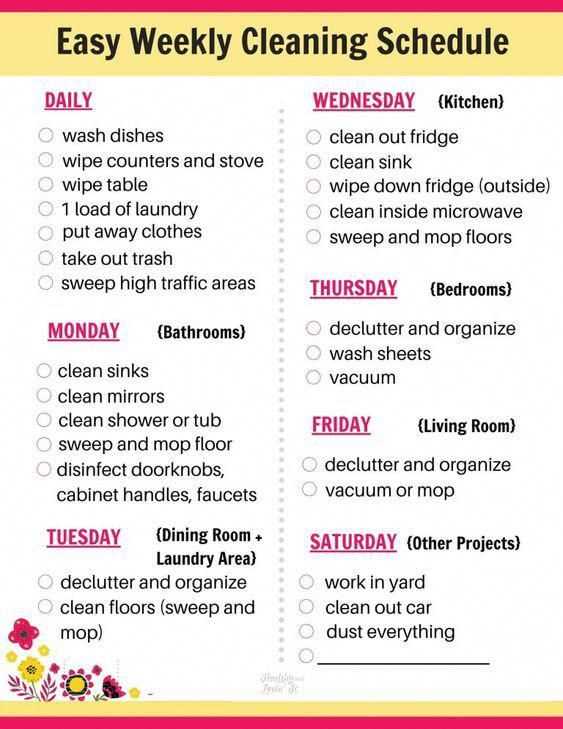
Start by assessing the tasks in your home that require attention. Focus on areas that need regular upkeep, such as the kitchen or bathrooms. Group tasks by frequency–daily, weekly, or monthly–and adjust the categories based on your personal needs and available time.
Next, modify the format to fit your household’s layout. For larger homes, consider breaking tasks into room-specific sections, such as living room, kitchen, or bedrooms. Smaller spaces may benefit from a general list. This approach helps tailor the system to your space and makes it easier to prioritize chores.
Finally, incorporate personal preferences, like adding reminders for specific tasks. For example, if you tend to forget certain chores, include notes such as “dust shelves every Sunday” or “vacuum high-traffic areas.” These small adjustments make your plan more effective and suited to your routine.