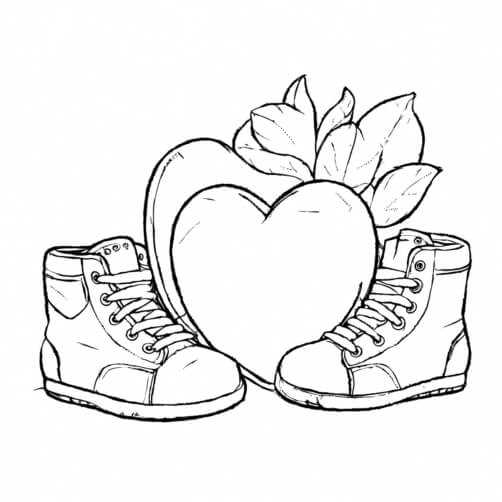
Download line-art templates of sneakers, boots, and sandals in A4 or US Letter format and print them at 100% scale for clean contours and balanced proportions. Choose designs with bold 2–3 mm outlines for younger children and thinner 1 mm lines for older kids who prefer finer detail. Save files in PDF to avoid scaling errors and blurred edges.
Use 80–120 gsm paper for crayons and colored pencils, and switch to 160–200 gsm sheets for markers to prevent bleed-through. Set your printer to “black ink only” and disable toner saving mode to keep outlines sharp. For repeated use in group activities, laminate one master copy and provide dry-erase markers for pattern practice.
Offer variety by including high-tops with laces, rain boots with large panels, and summer slip-ons with open areas for patterns. Encourage children to test color combinations on a small swatch before filling large sections. Add texture ideas such as stripes, checkerboards, animal prints, or stitched seams to build fine motor control and design skills.
Easy Printable Shoe Coloring Pages for Kids and Beginners
Choose single-page outline sheets with large panels and thick contours (2–3 mm) for preschoolers and simple lace patterns for beginners aged 6–8. Save files as PDF and print at 100% scale on A4 or US Letter to keep proportions accurate and prevent cropped edges.
Pick designs that match skill level:
- Low-top sneaker with 3–4 lace holes per side for basic hand control
- Rain boot with wide sections for bold markers
- Slip-on canvas model with open side panels for patterns
- High-top trainer with tongue and sole details for older kids
Use 90–120 gsm paper for crayons and pencils. For felt-tip pens, switch to 160–200 gsm sheets to avoid bleed-through. Disable draft mode in printer settings and select high-contrast black ink for clean line art.
Encourage beginners to test colors on a small corner before filling large areas. Suggest limiting the palette to 3–5 shades to prevent muddy results. Outline finished sections with a darker tone to define panels and stitching.
- Add stripes or checker patterns on side panels
- Draw custom logos or initials on the heel tab
- Create themed designs such as sports, animals, or seasonal motifs
- Use metallic gel pens for eyelets and sole accents
Store completed pages in a folder or bind them into a mini design portfolio. This helps track progress in line control, shading, and pattern placement over time.
How to Choose Simple Shoe Templates for Different Age Groups
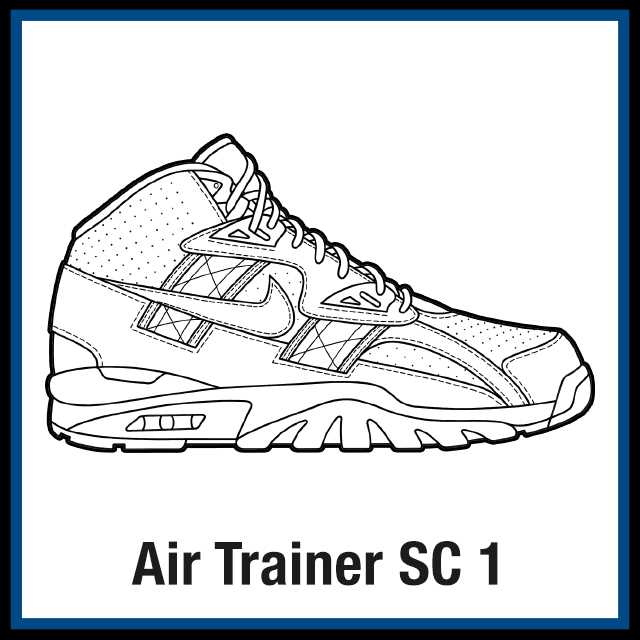
Select outline pages with thick 2–3 mm contours and large open panels for ages 3–5. Avoid laces, stitching, and small decorative elements; one main body shape with a sole and heel area is enough. This supports steady hand movement and reduces frustration.
For children 6–8, pick sneaker or boot sketches with moderate detail: 4–6 lace holes, visible tongue, and simple tread lines. Lines should be around 1–1.5 mm thick to allow more precise filling while still guiding the hand. Include medium-sized sections that encourage pattern practice without overcrowding the page.
Preteens benefit from footwear drawings that include layered panels, straps, buckles, or stitched seams. Add side views with brand-style patches or textured soles. At this stage, finer contours (about 0.8–1 mm) help develop control and attention to small areas.
Match paper size to motor skills. Younger children work better with full-page A4 or Letter layouts, while older kids can handle two smaller designs per sheet. Keep margins at least 10 mm to avoid clipped edges during printing.
Adjust complexity gradually. Move from single-outline slip-ons to multi-panel trainers over several sessions, increasing the number of design zones step by step to build confidence and precision.