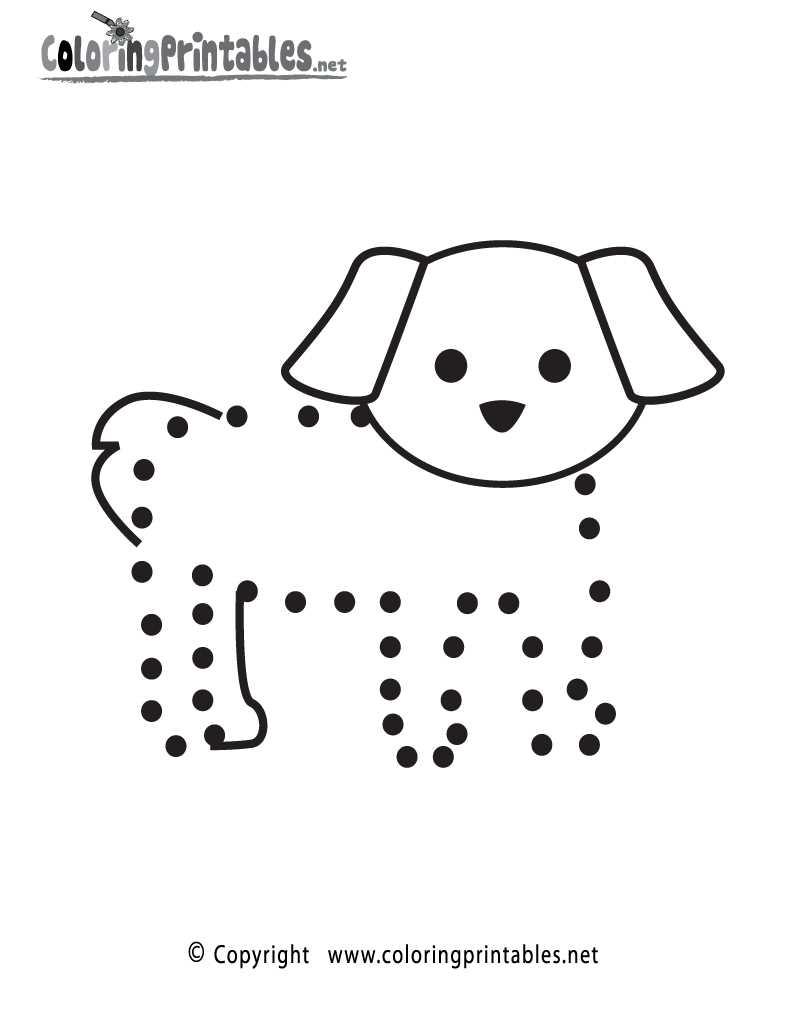
How to Use Numbered Shapes for Learning and Fun
Using numbered shapes is an effective way to enhance children’s cognitive and motor skills. This activity helps improve their number recognition, hand-eye coordination, and concentration. Here are some ideas to incorporate these exercises into daily routines:
1. Improve Number Recognition
Begin by providing children with a sheet featuring numbered shapes. Have them trace each shape starting from the first number, working through each sequence in order. This approach helps with memorization and recognition of numbers while keeping them engaged. Encourage children to say the number aloud as they trace, enhancing their recall abilities.
2. Add Color and Creativity
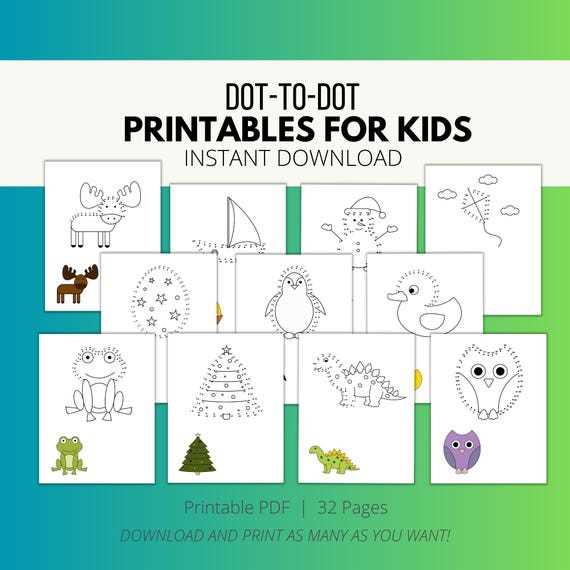
To make the activity more engaging, let children fill in each shape with their preferred colors. This approach adds a creative element to learning while reinforcing number associations. You can even introduce a color-code system to link numbers with specific hues, e.g., “2 is blue, 5 is red” for additional learning opportunities.
3. Incorporate Counting Challenges
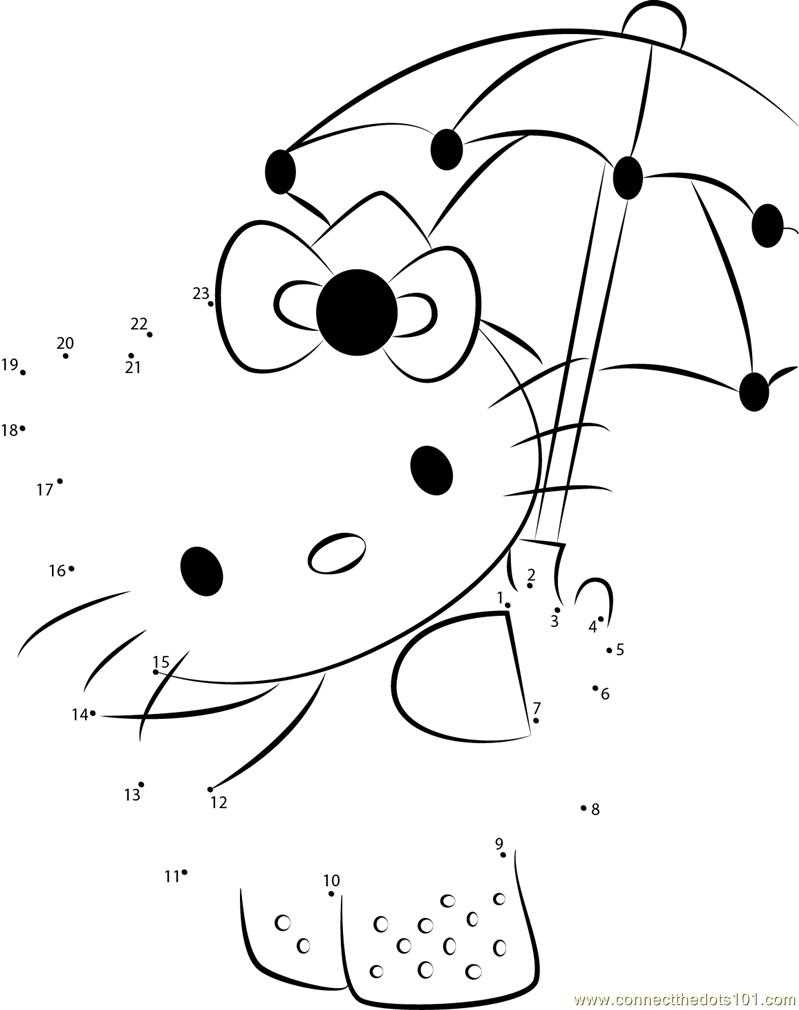
After children complete the initial activity, challenge them to count how many shapes they’ve traced. For a more complex version, ask them to add or subtract numbers within the shapes and solve the math problems directly on the sheet. This promotes problem-solving skills and builds mathematical foundations.
Tips for Enhancing Learning Outcomes
- Provide Clear Instructions: Explain the activity clearly so children understand the sequence and objectives. Offering short, clear directions is key.
- Use a Variety of Shapes: Introducing various geometric figures or themes (like animals, objects, etc.) keeps children interested and provides a diverse learning experience.
- Gradually Increase Difficulty: Start with simple shapes and progress to more complex patterns as the child’s skills improve.
These activities are simple to implement at home or in the classroom. Using numbered shapes as learning tools supports skill development in both math and fine motor abilities. Create a fun and educational environment with these straightforward yet powerful exercises!
Practical Guide to Number Connection Activities
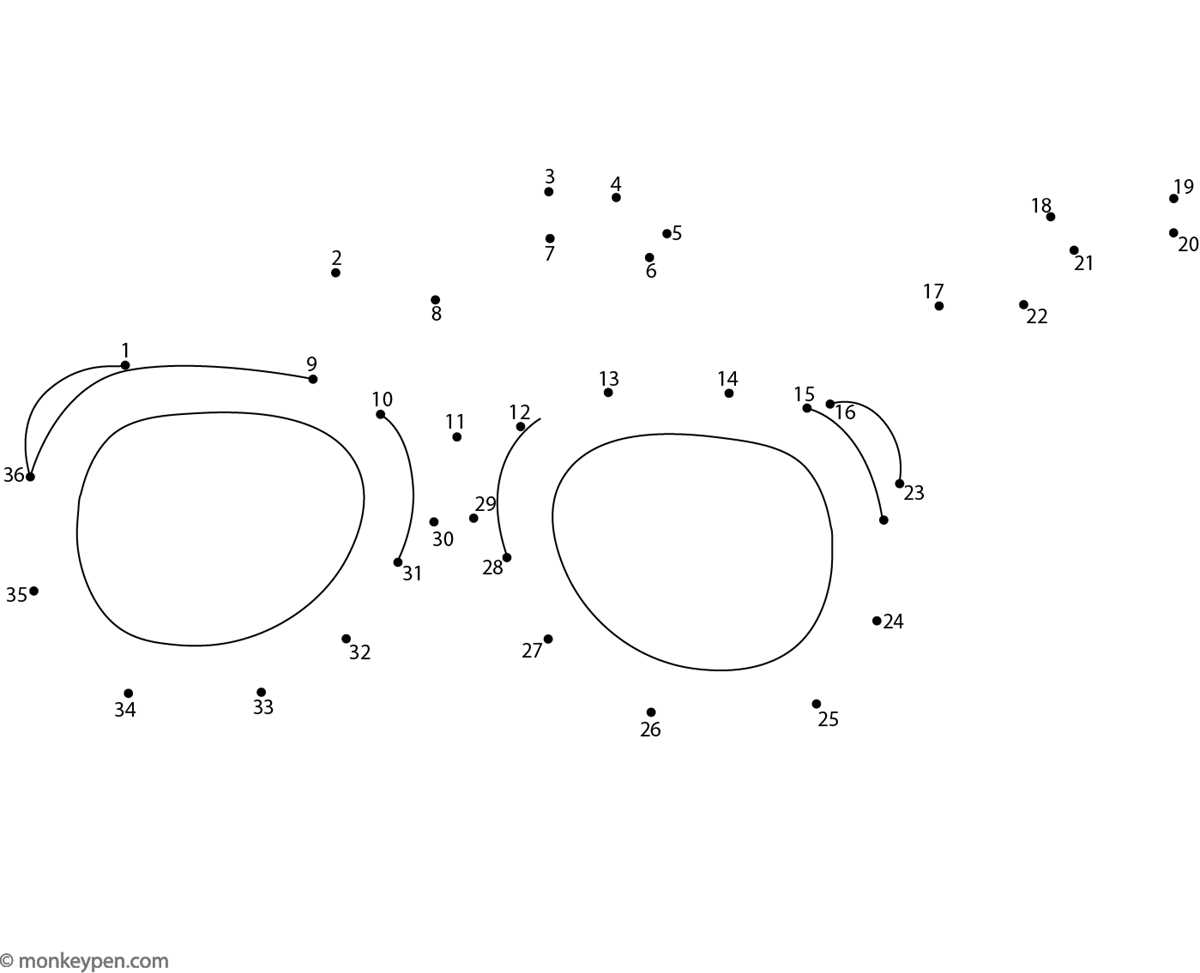
Print sheets with large, clearly numbered points for ease of use. Numbers should be easily distinguishable to help participants follow the sequence accurately. Avoid overly detailed designs in the initial stages to ensure that users can complete the task without confusion.
Choosing relevant themes, such as animals, everyday objects, or famous landmarks, keeps users engaged and encourages them to continue with the activity. By using familiar imagery, interest is naturally maintained, and the exercise becomes more enjoyable.
Start with smaller exercises, featuring fewer points, to build confidence and coordination. Gradually increase the complexity by adding more numbers and requiring more precise connections. This progression enhances both motor skills and the ability to follow patterns over time.
Incorporate coloring after the connections are completed. Coloring helps to solidify the concept while allowing creative expression. It provides a rewarding conclusion to the activity and encourages users to revisit their work for further improvement.
For interactive versions, use software that provides immediate feedback, enabling quick adjustments and learning. Digital tools allow for zooming in on smaller numbers or manipulating the images, giving participants a chance to refine their skills with ease.