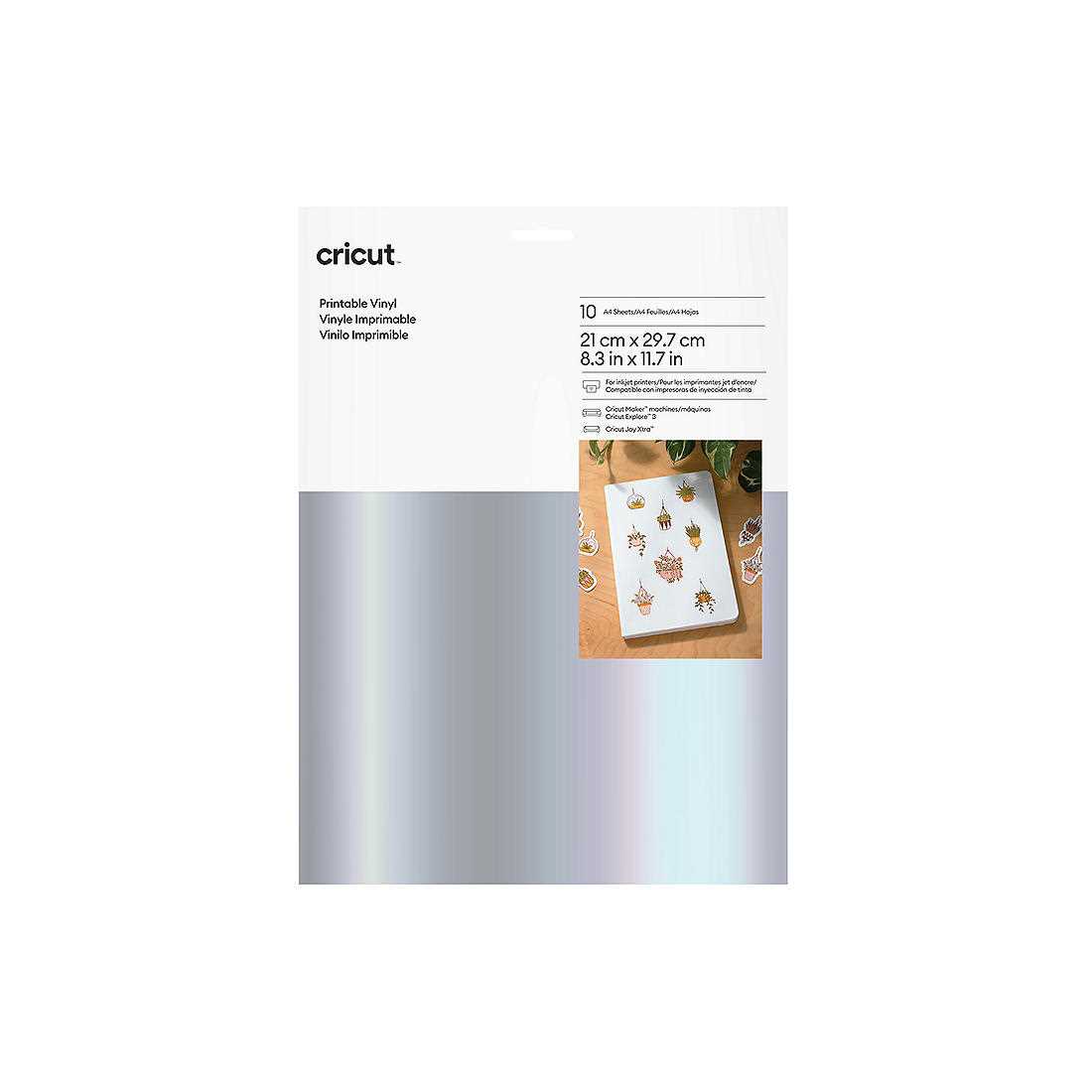
For creating custom designs that require a clear background or subtle effect, transparent materials offer great flexibility. These are especially useful in applications where the design should seamlessly blend with the surface it’s applied to. Here’s a guide on how to make the most of these materials for your projects.
Key Considerations Before Printing
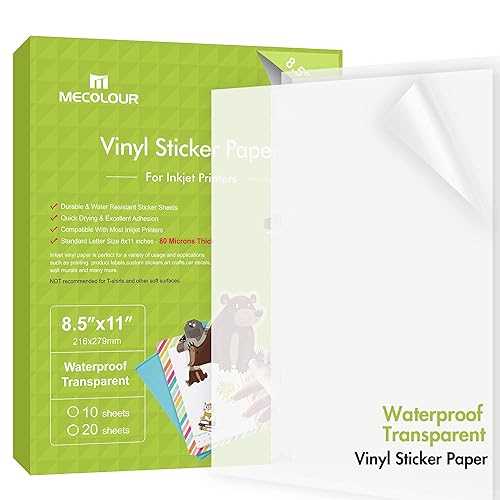
Choose materials that provide high clarity and durability. The material should not only allow the design to be clearly visible but also be resistant to wear over time. A high-quality transparent substrate will maintain its integrity even when exposed to elements like moisture or abrasion.
- Durability: Ensure the material can withstand frequent handling or washing if used on items like glass, mugs, or outdoor gear.
- Print Quality: Use printers designed for high-definition outputs to maintain the sharpness of your design on a clear surface.
- Surface Compatibility: Test the material on the surface you plan to apply it to. The transparency should allow for easy integration without leaving an obvious edge or seam.
Step-by-Step Guide to Printing on Transparent Materials
1. Prepare the Design
Before printing, ensure your design is correctly sized and formatted. Use vector graphics to avoid pixelation and to maintain the clarity of fine details. This is particularly crucial when working with transparent backgrounds, as any inconsistencies in design will be more noticeable against the surface underneath.
2. Printer Settings and Paper Type
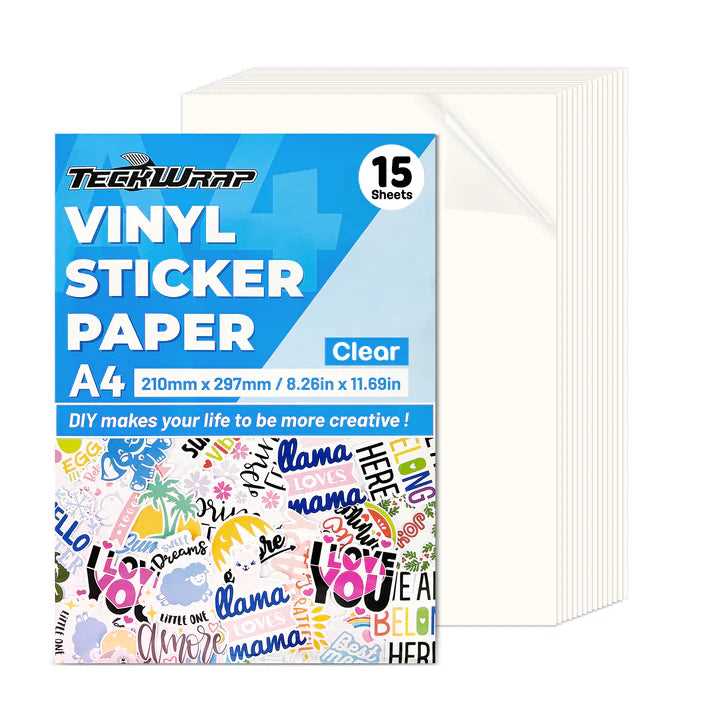
Adjust your printer settings for the best resolution. If your machine supports it, select the highest quality print option. Use appropriate material settings, and ensure you’re using the right type of transparent paper for your specific printer model.
3. Test Print
Always conduct a test print on a sample piece to ensure your design appears as intended. This step allows you to make necessary adjustments before printing on the final material. Check for any issues with color reproduction or alignment.
4. Cutting and Application
If your design includes intricate shapes or contours, use a cutting machine to accurately trim the material. This will ensure the design fits perfectly when applied. After cutting, carefully transfer the design to your desired surface. For added durability, use transfer paper to avoid disturbing small details during application.
Best Uses for Transparent Printable Materials
- Custom Window Decals: Perfect for storefronts or home decorations, as they allow light to pass through and don’t obscure the view.
- Stickers for Electronics: These are ideal for creating personalized designs that don’t interfere with the functionality of devices like phones or laptops.
- Clear Labels: Ideal for creating labels that are invisible unless viewed directly, making them great for custom packaging or decorative jars.
Transparent materials provide a unique way to add custom designs that blend seamlessly with their surroundings. Whether you’re printing for personal projects or business needs, following these tips will ensure your designs are precise and visually appealing.
Cutting and Printing on Transparent Adhesive Sheets
To achieve high-quality results when working with adhesive sheets designed for inkjet printers, ensure that you select a material with a smooth surface that will hold ink effectively. The film should allow for easy cutting without tearing or distortion. Choose a type that has a flexible yet durable finish for long-lasting adhesion to different surfaces.
Prior to printing, use your printer’s settings to ensure optimal ink flow and drying time. Adjust the print quality to high, as the clarity and detail in designs are critical when dealing with a clear base. It’s recommended to do a test print on a small piece to check for color accuracy and alignment before proceeding with larger projects.
Cutting the material precisely is key. Employ a sharp blade and set your cutter’s pressure accordingly to avoid any smudging or inaccurate cuts. A well-calibrated machine is crucial to maintaining crisp edges, especially for detailed or intricate designs.
Once your design is printed and cut, let the ink dry completely. While some sheets are designed to dry quickly, others may require a longer setting period to avoid smearing. Afterward, apply a protective laminate or sealant to prevent fading or scratching, especially if the sheet will be exposed to moisture or frequent handling.
For optimal adhesion, press the sheet firmly onto the intended surface. If you are applying it to curved or irregular shapes, use a heat source to aid in bonding, which will help the adhesive to conform better. Always apply with care to avoid air bubbles, which can compromise the appearance and durability of the final product.