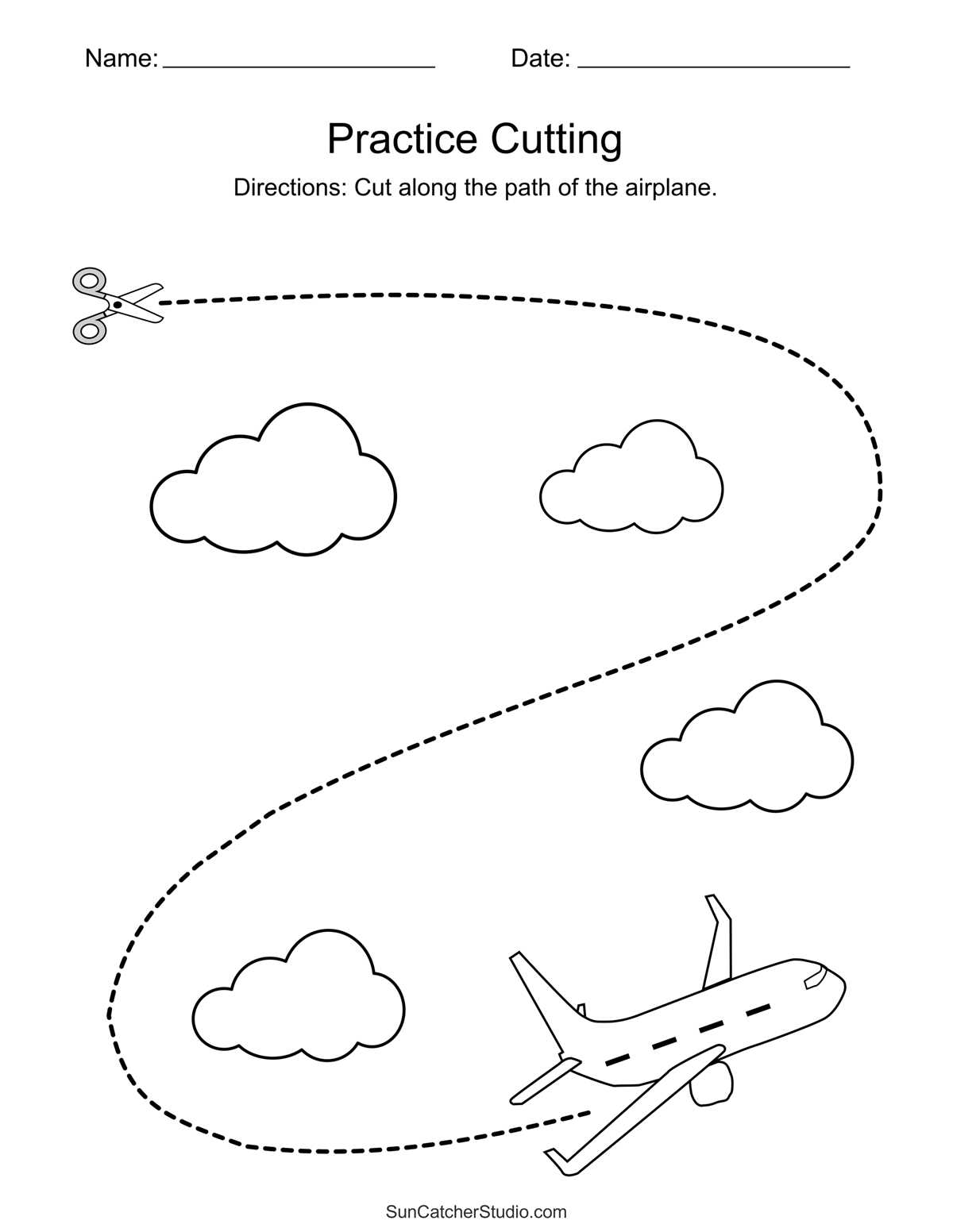
Start by focusing on activities that encourage your child to use both hands in a controlled manner. Simple exercises, like cutting along straight lines or following dotted patterns with safety scissors, will help improve their fine motor control. Gradually introduce curved lines or zigzag patterns to challenge their ability to follow shapes accurately.
Best Practices for Enhancing Fine Motor Development
To build proficiency, offer tasks that require your child to cut out shapes from sturdy paper. Begin with large, easy-to-cut shapes, such as squares or triangles, and progress to smaller and more intricate designs. The key is to provide regular practice, without overwhelming them with complex tasks too early. This method helps them develop a steady hand and patience for more precise activities later on.
Creative Exercises to Strengthen Dexterity

Engage your child in fun, creative exercises that tie in learning with play. For example, you can have them cut out pictures from magazines to create a collage. This combines cutting practice with imaginative thinking. Another effective idea is to create paper animals or characters together, which helps them practice coordination while making the process enjoyable. Additionally, coloring inside lines and cutting out the colored areas will further reinforce control over hand movements.
Consistency and patience are key. Practice often, but keep it light and fun. Celebrate small victories as they improve their ability to handle scissors with more confidence and precision. The goal is to build a strong foundation that will help with handwriting, drawing, and other future skills. Keep the activities varied and playful, ensuring that they remain engaging and motivating for your child.
Activities for Improving Hand Coordination in Young Learners
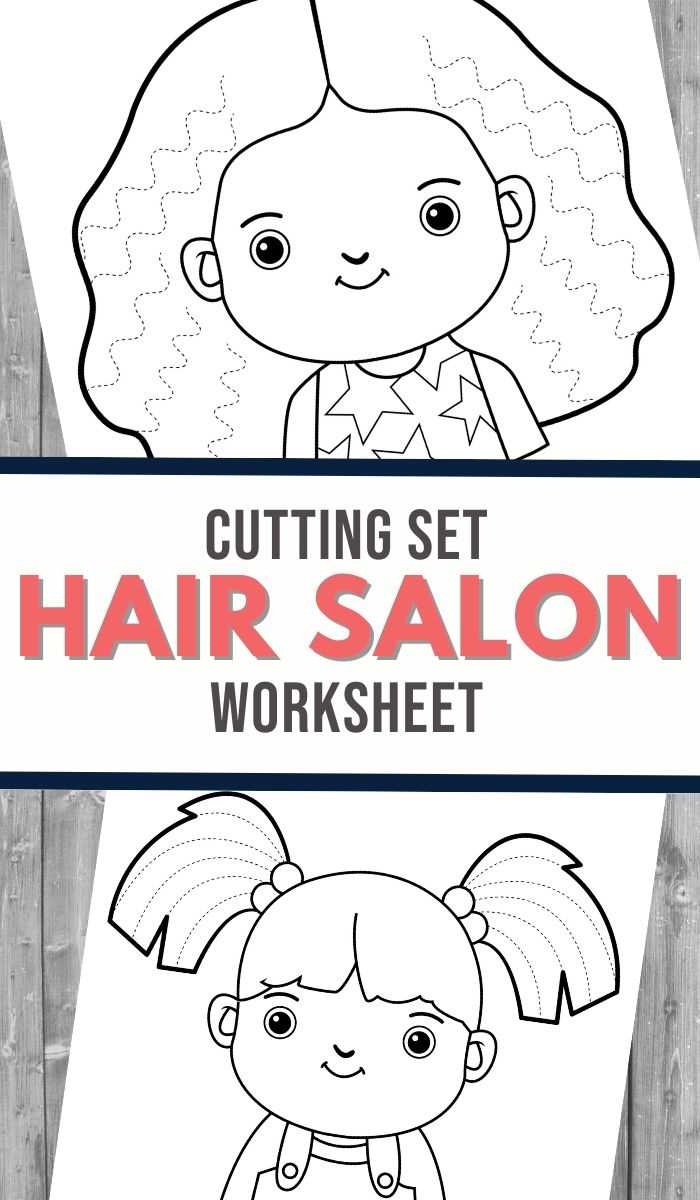
Start with simple exercises, such as cutting along straight lines. Use materials like thick paper or cardboard, as they are easier to cut and less likely to tear. Children can start by cutting large, bold lines to develop their initial confidence. As they improve, introduce curves and shapes like circles and zigzags to help them refine their hand movements.
Introduce cutting out familiar shapes. Begin with basic shapes like squares, rectangles, and triangles. Once the child masters these, move on to more complex shapes such as stars or hearts. This gradual increase in difficulty helps the child practice precision while also reinforcing their understanding of shapes and sizes.
Incorporating color can make the process more engaging. Encourage your child to cut out pieces from colored paper or old magazines. Create fun projects like collages or scenes from their favorite stories. This keeps the task enjoyable while reinforcing their ability to make controlled, intentional cuts.
For an extra challenge, introduce cutting along dashed lines or dotted patterns. This helps kids practice more intricate hand-eye coordination and improves their focus. You can create simple designs with varying patterns or even use free online templates to print out more advanced ones.
Using a variety of tools can also help with fine motor development. Safety scissors are a great option, but as they gain confidence, try using different scissors with varied shapes. The different edges will give them practice with various cutting techniques, helping them grow more comfortable with different materials.
Don’t forget to provide praise for each achievement, no matter how small. Celebrating their progress, whether it’s cutting a straight line without hesitation or successfully completing a more complicated pattern, will keep them motivated. Positive reinforcement builds their self-confidence and encourages continued improvement.
Finally, remember to be patient. Fine motor skills take time to develop. Let your child practice at their own pace, offering assistance when needed but allowing them to take the lead. Over time, they’ll develop the dexterity and control needed for more complex tasks in the future, such as handwriting or drawing. With consistent practice and encouragement, they’ll gain mastery over the task and have fun along the way.