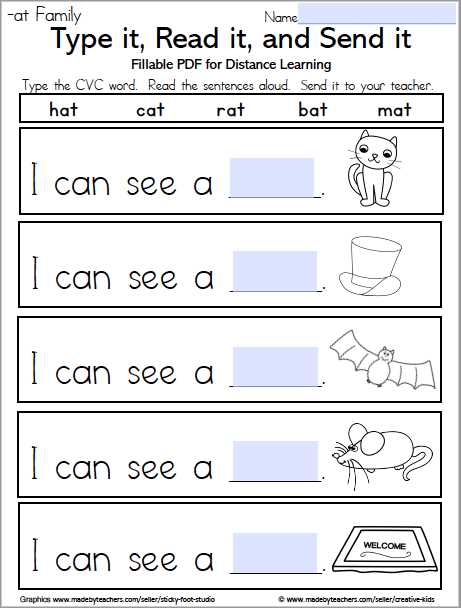
Start by finding activities that focus on three-letter combinations, which help children practice combining consonants and vowels. These exercises are ideal for early learners who are just starting to recognize letter sounds and build reading skills. Search for simple, engaging resources that offer clear images and short, easy-to-understand tasks for younger children.
Letter combination exercises offer multiple benefits, including improving phonetic awareness, which is a key step in developing strong reading abilities. These activities not only help with letter recognition but also teach kids how to blend sounds together to form simple words. Regular practice with these exercises can boost both reading speed and comprehension.
For best results, choose materials that cater to your child’s age and skill level. Begin with basic exercises that include easy combinations, and gradually increase difficulty as they become more confident. Some activities offer a range of difficulty levels, allowing you to select the perfect challenge for your child’s current reading stage.
CVC Word Activities for Early Readers
Start with basic exercises that focus on three-letter combinations. These activities help young learners understand how sounds blend together to form simple words. Use images that clearly show objects corresponding to the sounds, allowing children to match them with the correct letters.
One useful activity is sound matching, where children are given pictures of objects like “cat” or “bat” and must select the correct letters to form the word. This reinforces both recognition and pronunciation of consonant-vowel-consonant combinations. You can easily create these exercises by using flashcards or printable templates.
Another engaging activity is word building. Provide children with a set of letter tiles or cut-out letters and have them physically assemble words like “hop,” “bat,” or “dot.” This hands-on approach enhances letter-sound connection and promotes active learning.
To keep things interesting, include activities like fill-in-the-blank exercises where children complete short words. For instance, give them “_at” and ask them to fill in the blank with the correct letter to form “cat.” This encourages them to think critically about letter placement and sound patterns.
For more variety, incorporate matching games. You can create a set of cards with images on one side and corresponding word parts (like “ca,” “ba,” “do”) on the other. Kids will have to match the sound with the picture, reinforcing phonetic awareness while making it feel like a game.
As children gain confidence, increase the complexity of the exercises. Add slight variations like changing the vowel sound in “cat” to create “cot,” or replacing the consonants in “bat” to form “bit.” This builds flexibility in their ability to recognize and manipulate sounds.
Incorporating short reading passages with simple words is another great way to help children practice. Select short sentences using three-letter combinations and have children read them aloud. This reinforces their ability to decode and recognize simple words in context.
Finally, make it a fun activity by offering rewards or incentives for completing tasks. Whether it’s a sticker or extra playtime, positive reinforcement encourages continued engagement and motivates young readers to practice more. Consistent, enjoyable practice is key to building a strong foundation in early reading skills.
Where to Find Reliable CVC Word Worksheets for Kids
Start by checking educational websites that specialize in early learning materials. Many platforms offer free resources designed for young readers, including worksheets that focus on letter-sound relationships. Websites like Education.com, Teachers Pay Teachers, and ABCmouse offer a variety of printable materials tailored to children’s developmental stages. Look for those that allow filtering by age or skill level to find the most appropriate activities for your child.
Another great option is to explore blogs or teacher resource sites that share downloadable resources. Many teachers post free and reliable worksheets on their personal websites or education blogs. Some platforms also provide user-generated content, so reviews and ratings can help identify the most useful and effective exercises for children.