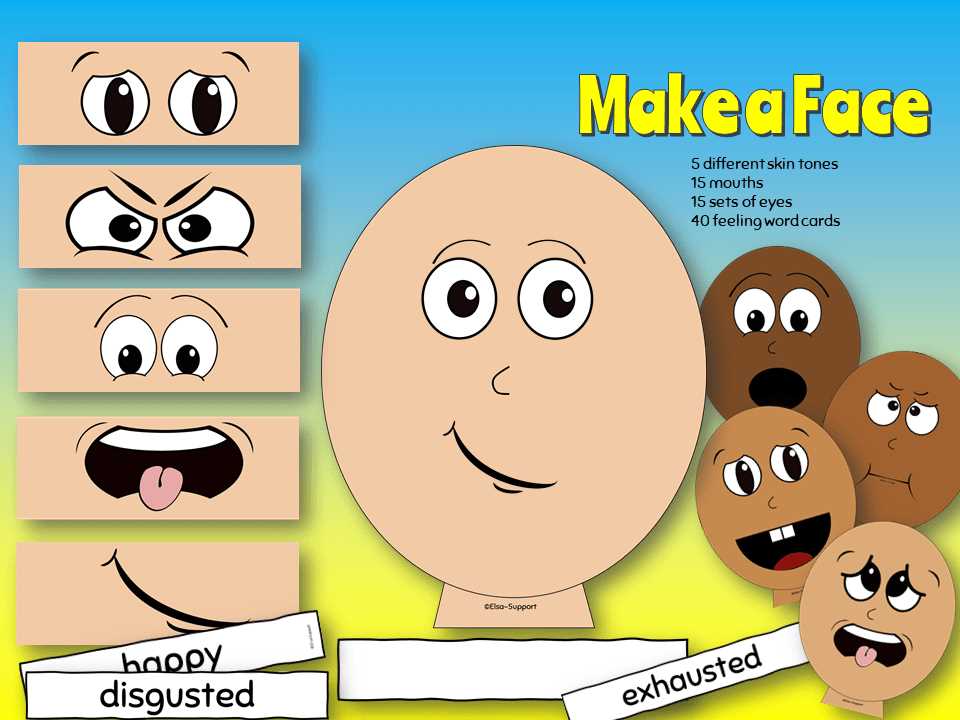
Download and use this fun and engaging worksheet to help children better understand different emotional states. It’s a simple, hands-on way to illustrate how various expressions reflect moods. By coloring in the different facial outlines, kids can connect visual cues with their own experiences.
Prepare the material by printing it on quality paper to ensure the colors don’t bleed through. You can also laminate the sheets for reuse, making it an eco-friendly choice for ongoing lessons. Make sure to have a variety of coloring tools, from crayons to markers, so children can experiment with different color combinations for each mood.
Incorporate this activity into group lessons or one-on-one time to encourage open discussions about how feelings are expressed. The exercise can also be a great conversation starter, allowing kids to share their own experiences and emotions in a creative, non-threatening way.
How to Use the Emotions Make a Face Activity for Learning
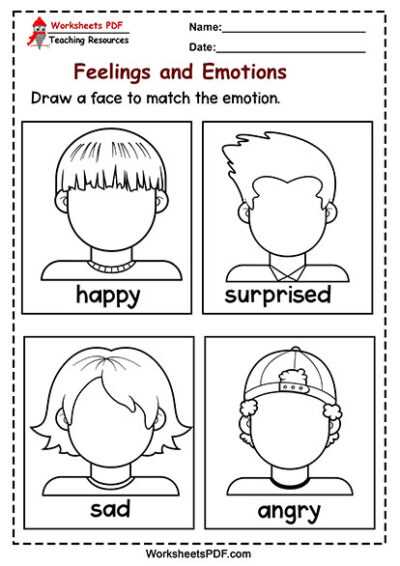
Start by providing children with the printed illustrations and ask them to select an expression to focus on. Guide them in identifying the feeling represented by the character’s expression. Discuss the context of each mood, helping them connect the visuals with their own experiences. Encourage students to color in the design while verbally explaining the emotion, reinforcing their understanding of how different facial features relate to specific feelings.
Once the designs are complete, organize a group discussion where each child can present their colored illustrations. Have them describe the emotion they chose, and allow others to share their thoughts or similar feelings. This process not only strengthens their emotional vocabulary but also promotes empathy by seeing how others interpret and express feelings differently.
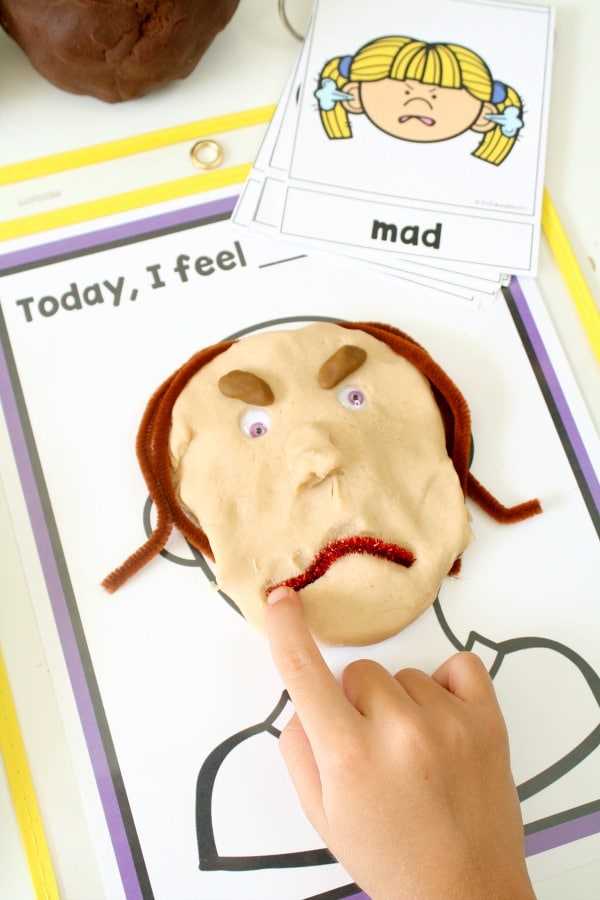
Step-by-Step Guide to Printing and Preparing the Activity
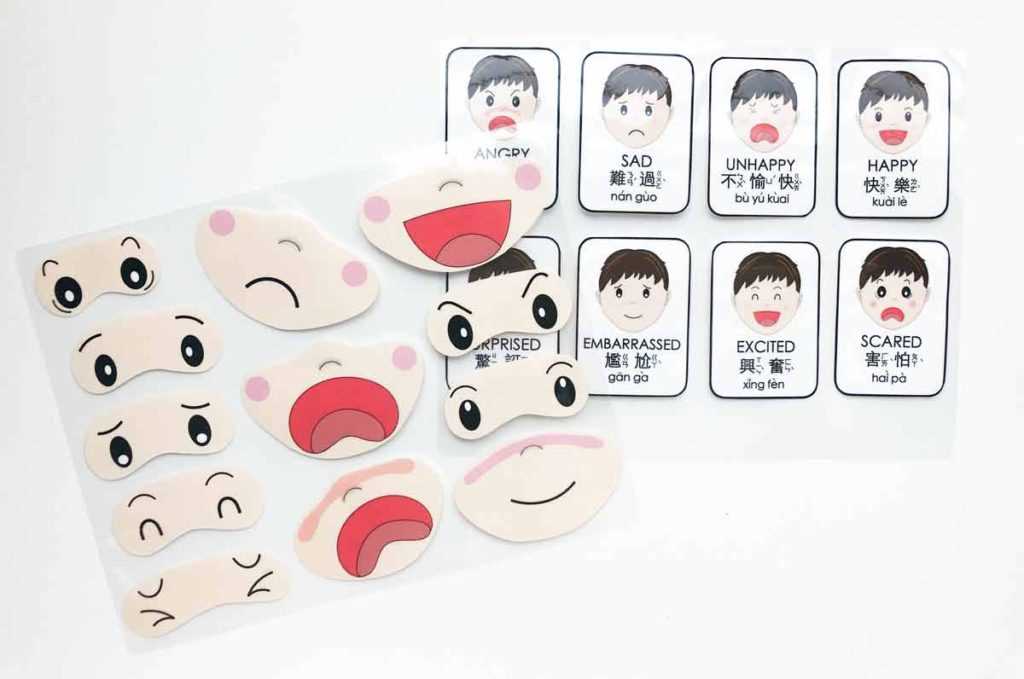
Begin by downloading the template file from a reliable source. Ensure that the design is available in a high-resolution format (preferably PDF or JPG) for clear and crisp printing. Once downloaded, open the file to verify its quality before proceeding.
Next, select your print settings. If the file is in PDF format, ensure that the page size matches the size of the paper you plan to use. Set your printer to the highest quality option to avoid blurry or pixelated results. If you need to adjust the size of the design, modify the scale settings to fit your preferred dimensions.
For optimal results, use thick paper or cardstock. Regular printer paper might not be durable enough for long-lasting use, especially with markers or paints. Cardstock will also prevent the ink from bleeding through and provide a sturdier surface for coloring.
After printing, allow the design to dry completely if you are using ink or colored pens. If you plan to laminate the sheet for reuse, wait for the ink to fully dry to avoid smudging during the lamination process.
If you are laminating the design, cut around the printed area before sending it through the laminator. After it’s laminated, you can use dry-erase markers for multiple sessions, making it reusable for future lessons or practice.
Finally, gather your coloring tools such as crayons, colored pencils, markers, or gel pens. Organize them by color to make the coloring process more enjoyable and efficient. This preparation ensures that the session will go smoothly and that children can focus on expressing their creativity while understanding different feelings.
Creative Ways to Incorporate the Activity into Daily Lessons
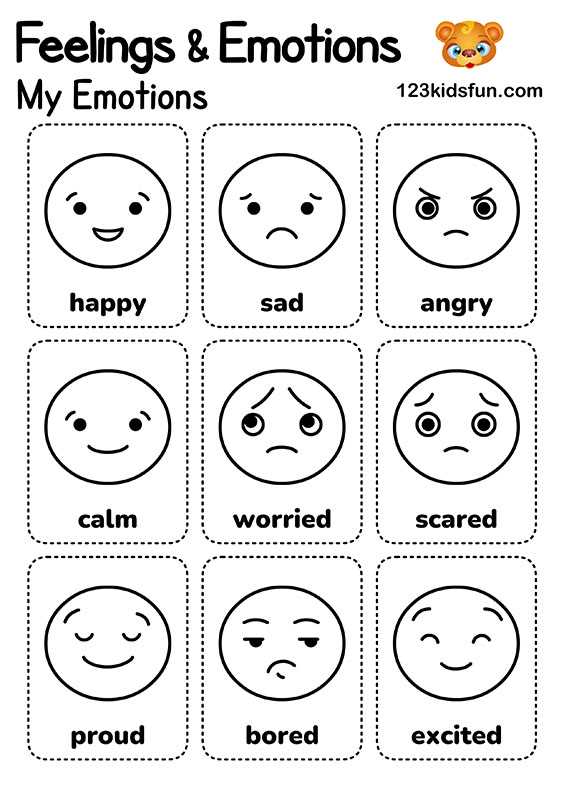
Use this tool during circle time as a group activity. Have each child choose an expression from the printed sheet and share a time when they felt that way. This encourages self-reflection and allows the class to bond over shared experiences. You can extend the lesson by discussing scenarios where these feelings might arise.
Integrate this exercise with storytelling. After completing the design, ask children to come up with a short story or scenario that reflects the mood they colored. This promotes imagination and helps children understand emotions in different contexts.
Another idea is to pair this task with physical movement. After coloring the designs, ask the children to act out the feelings by using body language and facial expressions. This kinesthetic approach helps reinforce emotional recognition and gives children a fun way to express themselves creatively.