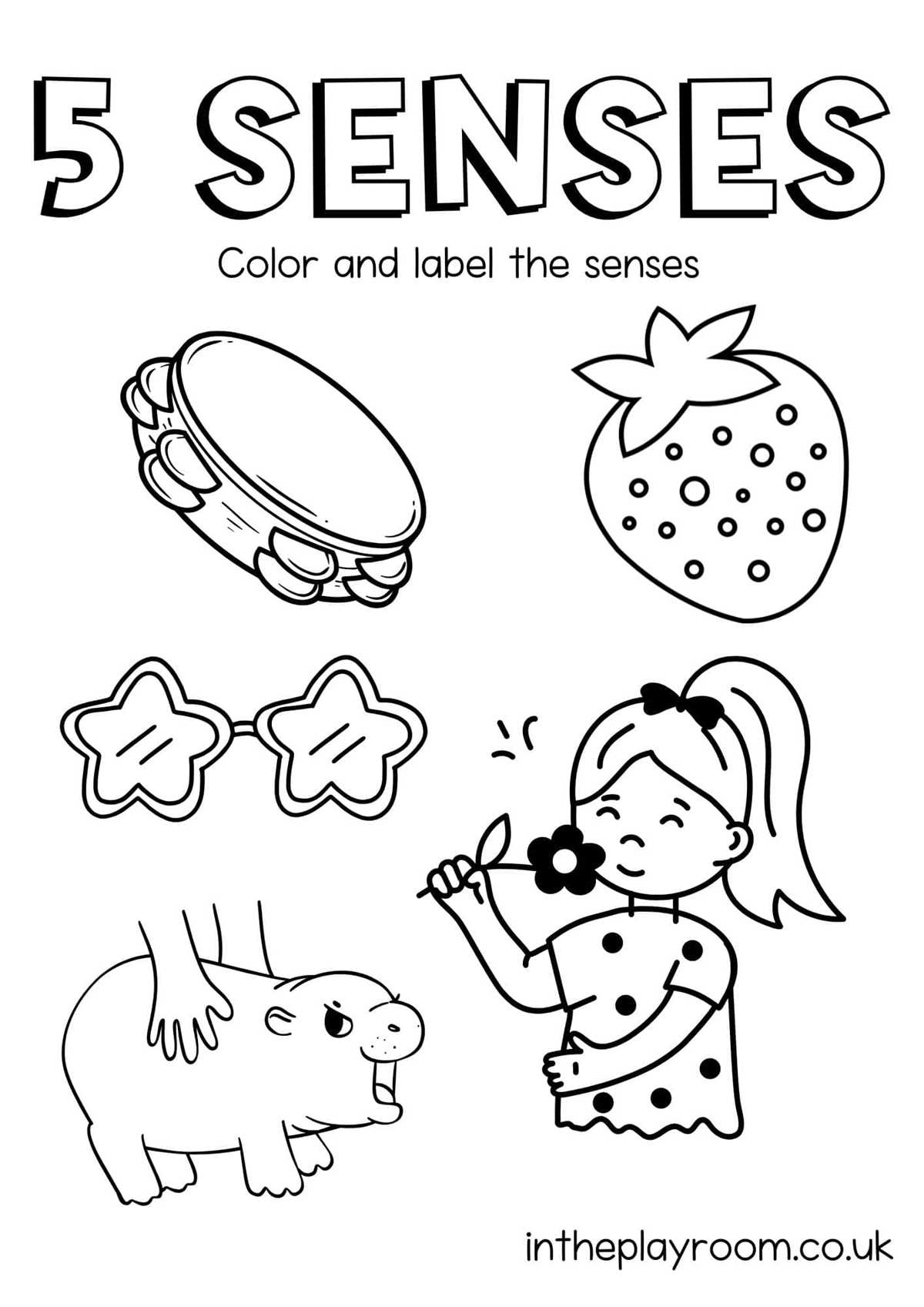
Interactive Exercises for Enhancing Tasting and Smelling Skills
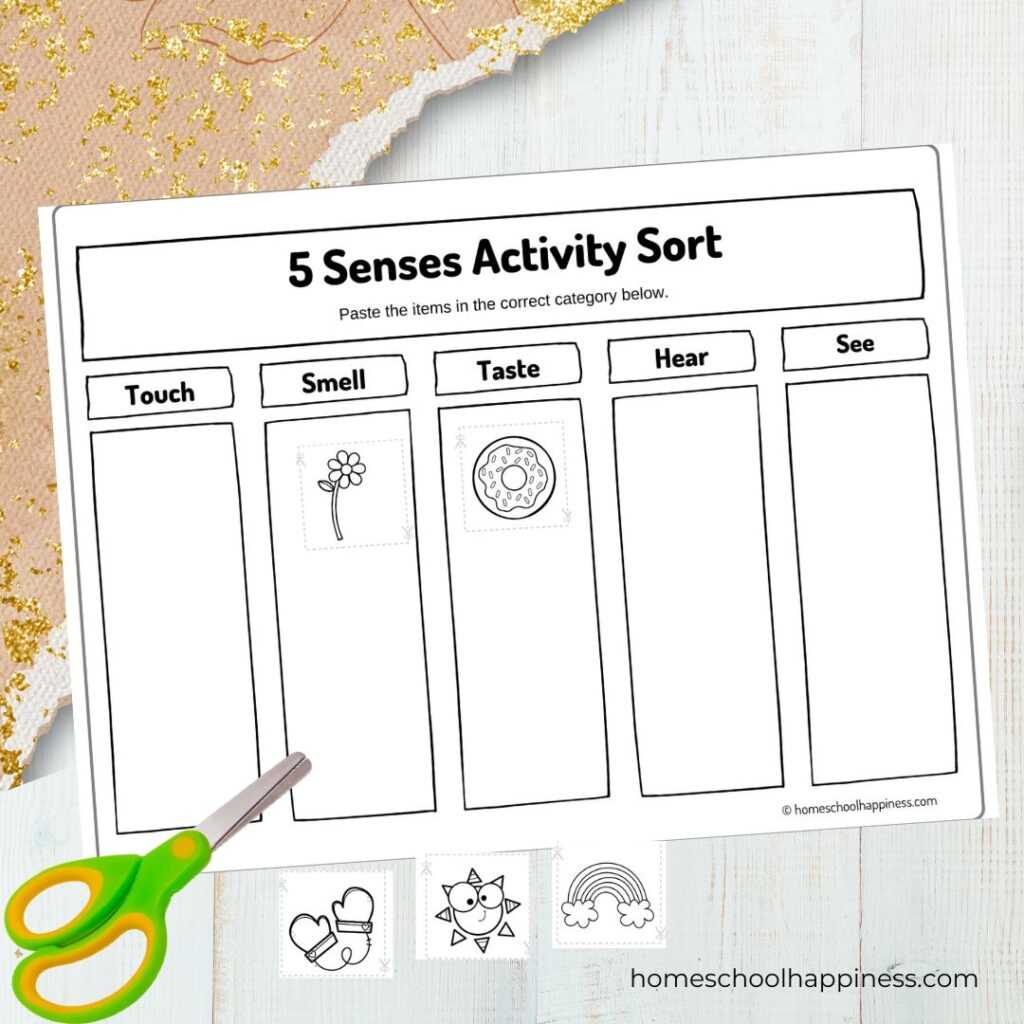
Start by preparing various food items with distinct flavors, such as sweet fruits, salty crackers, or sour lemons. Guide children to identify the different tastes and describe how each one feels on their tongue. Pair each taste with a scent that matches, like vanilla with sweetness or garlic with savory notes. This pairing exercise promotes both smell and taste exploration, helping little ones understand the connection between senses and their environment.
Incorporate simple games where kids close their eyes, sample different foods, and guess their flavors based on smell alone. This activity sharpens the ability to focus on and differentiate various sensory stimuli. You can also challenge them to identify items by touch or texture to further engage their sense of feel.
Building Visual and Hearing Awareness Through Fun Challenges
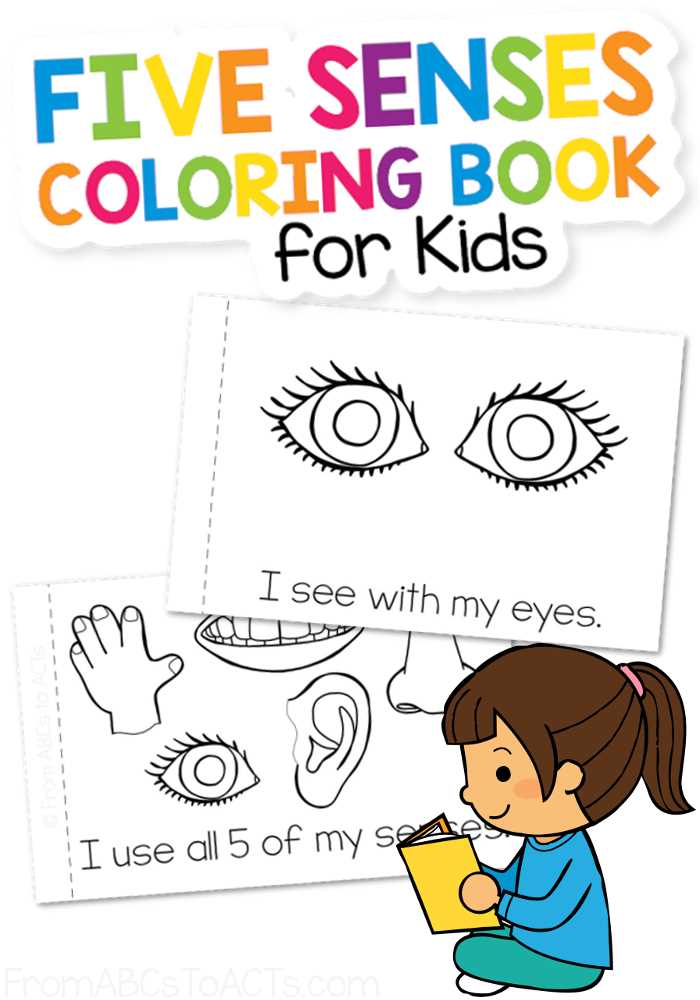
Provide children with items of different colors and textures. Ask them to sort objects by color, shape, or size, fostering visual awareness. Add a memory component by having them match pairs of objects or images, using both sight and memory to complete the task. For an auditory component, play sounds from nature, animals, or musical instruments and have children identify them. Enhance this by introducing sound-based sorting–grouping similar sounds like bells, drums, and whistles to sharpen auditory skills.
Another fun and educational exercise involves creating simple scavenger hunts. Have kids listen to clues or descriptions of sounds (e.g., “a rustling sound like leaves”) and match them with corresponding visual or auditory cues in their environment. This stimulates active listening and sharpens both their auditory perception and their attention to the details of what they see.
Engage Kids with Simple Exercises to Strengthen Perception Skills
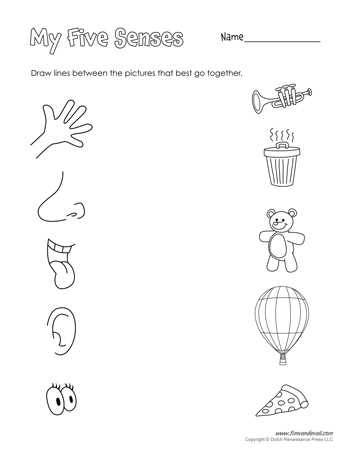
Provide children with a set of items that engage touch, taste, smell, sound, and sight. For example, offer a collection of different textured fabrics for children to feel and categorize, like soft cotton, smooth silk, or rough burlap. Pair these activities with taste tests, such as sweet, sour, salty, and bitter, encouraging kids to describe how each flavor feels in their mouth. Pairing such exercises with images of the objects allows them to connect tactile experiences with visual learning, creating an enjoyable and comprehensive experience.
Introduce a matching game where kids match objects to their corresponding sensory categories. For example, give them a picture of a lemon and ask them to find something sour or sharp-tasting from a selection of items. Such matching games stimulate cognitive development, providing the child with immediate feedback as they match each item based on specific characteristics like texture or smell.
Another great exercise involves the use of auditory tools. Provide children with sounds from various objects, such as animal noises, rain, or different instruments, and ask them to identify them. For a more immersive experience, add elements like shaking a bottle filled with beads and asking the children to guess the sound before showing them the object that creates it. These types of exercises not only help improve auditory discrimination but also expand their vocabulary for describing what they hear.