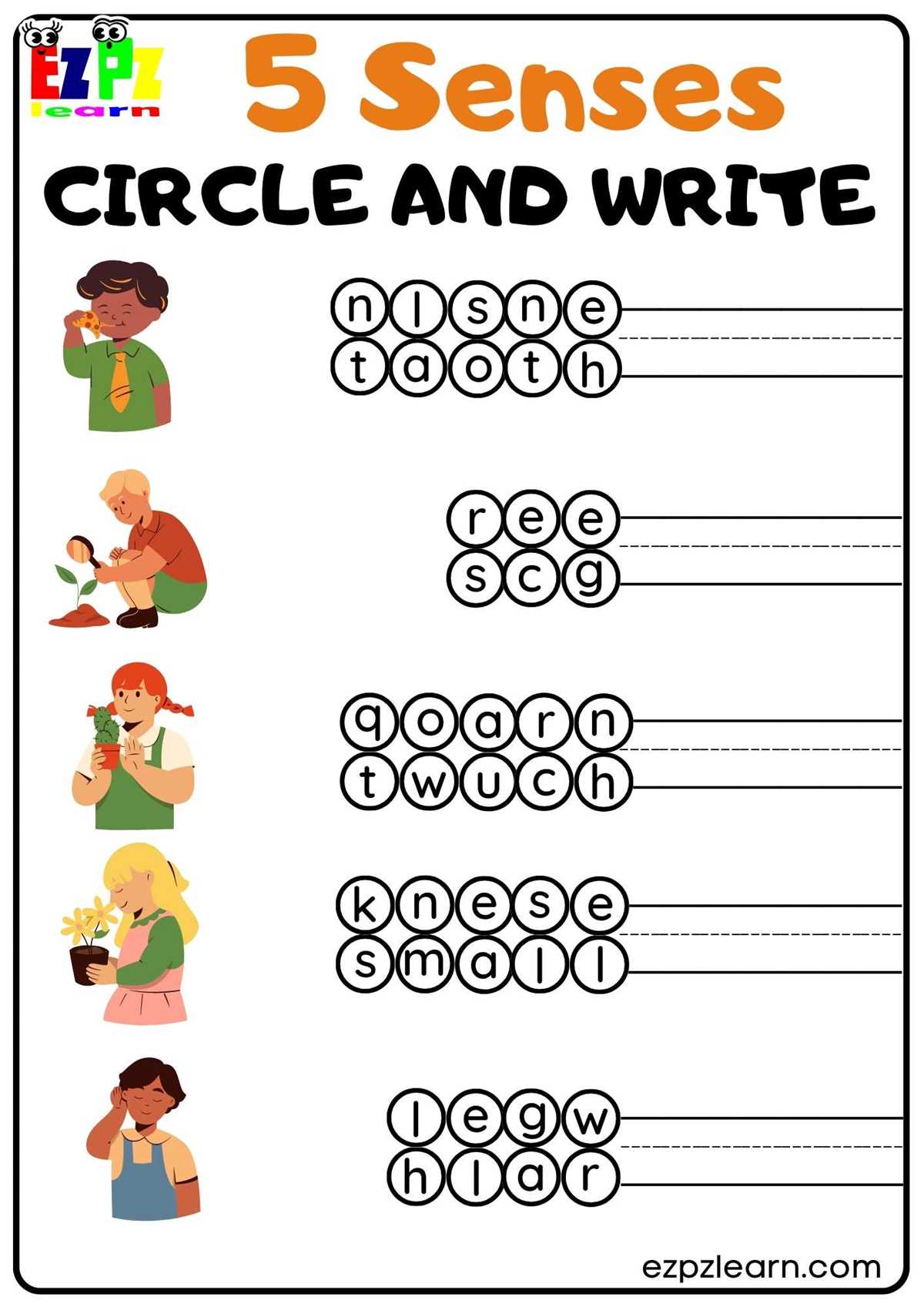
For a fun and educational way to explore sensory experiences, incorporate tactile, auditory, visual, olfactory, and gustatory activities into your learning sessions. Printable worksheets focused on each of these areas can stimulate curiosity and strengthen sensory awareness in young learners. The key is providing engaging tasks that involve hands-on exploration, observation, and comparison.
Visual activities can include simple matching games, where children pair images of objects with their corresponding colors or shapes. This can be expanded with puzzles that challenge the child to recognize patterns or sequences based on sight.
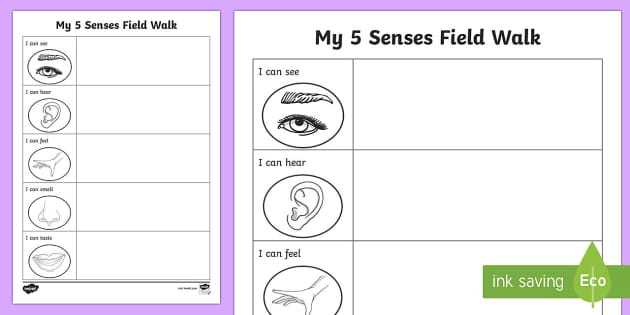
Tactile exercises involve using textures that the child can feel with their hands. For example, have them match objects like sandpaper, fabric, and cotton balls with their printed counterparts, helping them connect physical sensations with their visual representations.
Auditory exercises can include listening to different sounds and associating them with their sources. Printable worksheets could show images of instruments, animals, or everyday objects, prompting kids to identify and match the sounds they hear with the correct pictures.
Smell and taste tasks offer a unique opportunity to introduce real-world exploration. Using printable guides, children can try various food items or scents and match them to printed descriptions or images, enhancing both their vocabulary and sensory understanding.
Engaging Sensory Exploration Activities
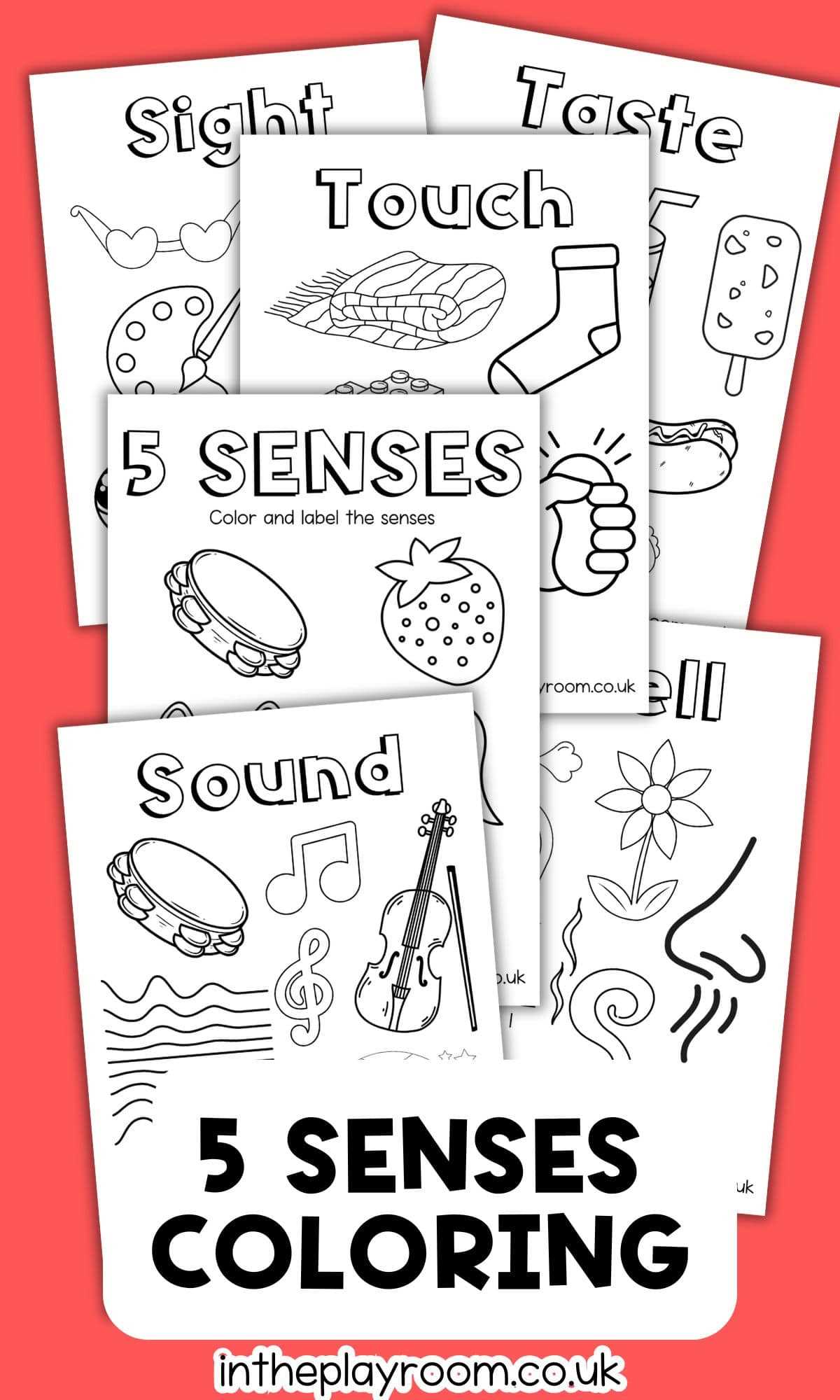
Begin by providing sheets that allow children to identify and categorize objects based on their tactile qualities. Include pictures of items with varying textures–rough, smooth, soft, and hard. This helps them connect physical sensations with visual representation.
Introduce aroma-based tasks where children can match smells with images. Using simple items like flowers, fruits, and spices, let them explore fragrances and record their reactions. This builds awareness of the olfactory system while reinforcing memory and recognition skills.
Auditory-based tasks are another great way to support development. Offer sound-based worksheets with images of objects or animals paired with corresponding noises. Encourage children to associate the sounds with the correct items to help strengthen their hearing abilities.
To enhance visual perception, incorporate activities where children can match shapes, colors, or patterns. Create printable charts with various colors, objects, or natural scenes. This practice sharpens the ability to recognize details in the world around them.
Use taste-related challenges to expand flavor recognition. Present children with pictures of common foods–sweet, sour, salty, and bitter. Ask them to identify or draw connections between taste sensations and food types, helping them improve their understanding of flavors.
Include exercises that involve distinguishing between different temperatures or weights. For example, a worksheet with images of cold and warm objects, or heavy and light ones, encourages awareness of the tactile environment and enhances motor skills.
Interactive activities like “sound hunts” or “texture walks” can be included. These activities involve children searching for particular sounds or textures in their environment, like finding something soft or something that makes a sound. It promotes hands-on exploration and sensory observation.
End with tasks that challenge children to describe and classify objects based on their sensory features. These can involve matching or sorting exercises, encouraging verbal articulation of their sensory experiences and fostering communication and critical thinking skills.