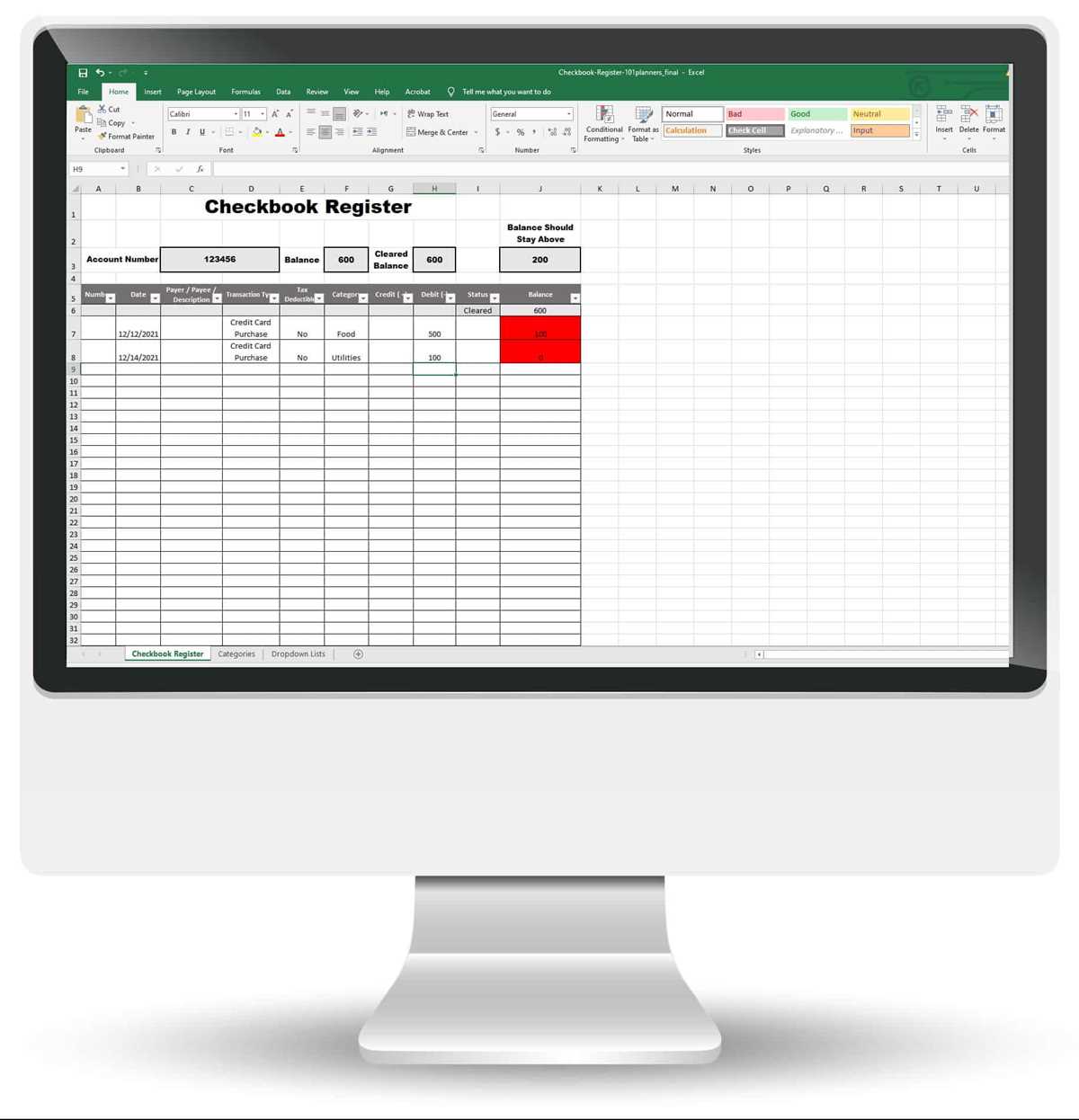
Use a simple transaction ledger sheet to track every withdrawal and deposit the moment it happens. Record the date, payment method, payee, and running balance on each line; this habit reduces math errors and shows your real account status between bank updates.
A well-structured money log should contain at least six columns: date, reference number, description, debit, credit, and balance. Choose a layout with 25–40 entry rows per page for weekly household use, or 50+ rows for busy small-business activity. Leave a 0.5-inch margin on all sides so the page fits standard US Letter or A4 paper without trimming.
Paper-based tracking works best when entries are made daily and reconciled with your bank statement once per month. Keep completed sheets in chronological order inside a binder; this creates a clear spending history that helps spot duplicate payments, subscription charges, and balance mismatches quickly.
Free Check Register Printable
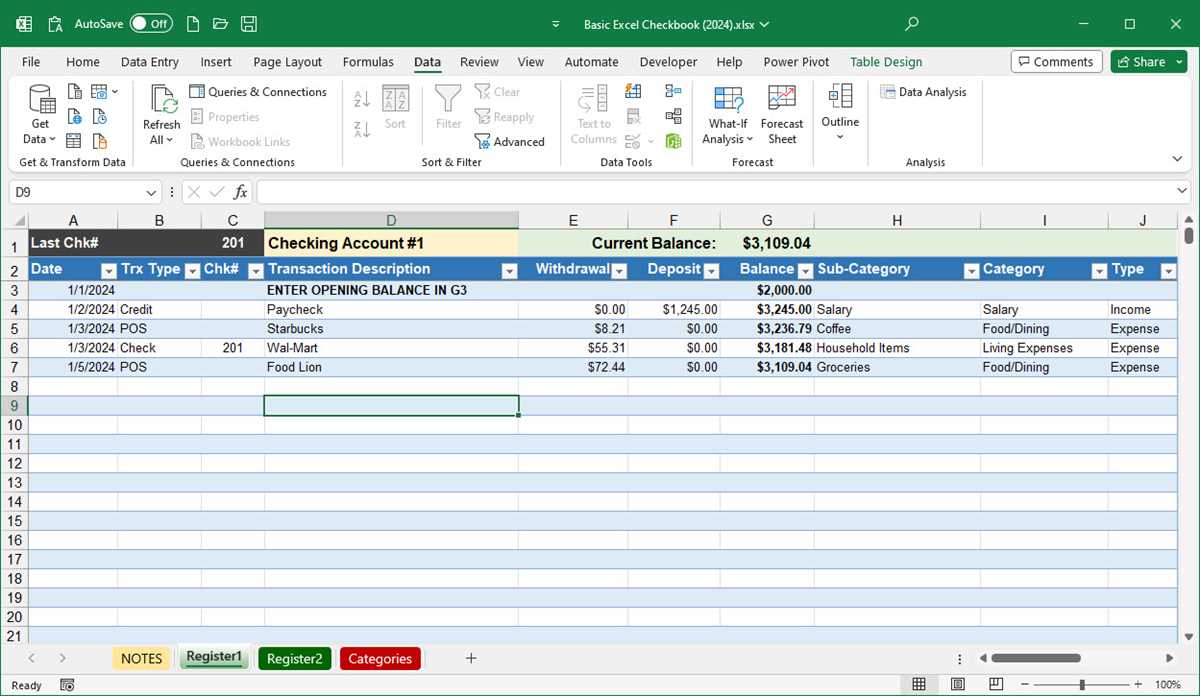
Download a clean payment tracking sheet and fill it out after every transaction to keep your account balance accurate between bank updates. Choose a version with clearly separated debit and credit columns plus a running total field; this layout helps you catch math mistakes immediately and prevents accidental overspending.
For daily household use, pick a ledger page with 30–40 entry lines and a bold balance column on the far right. Print on standard US Letter paper at 100% scale, then store completed sheets in a dated binder section so you can quickly review past withdrawals, deposits, and recurring charges without opening your banking app.
What to Include in a Check Register Sheet for Accurate Balance Tracking
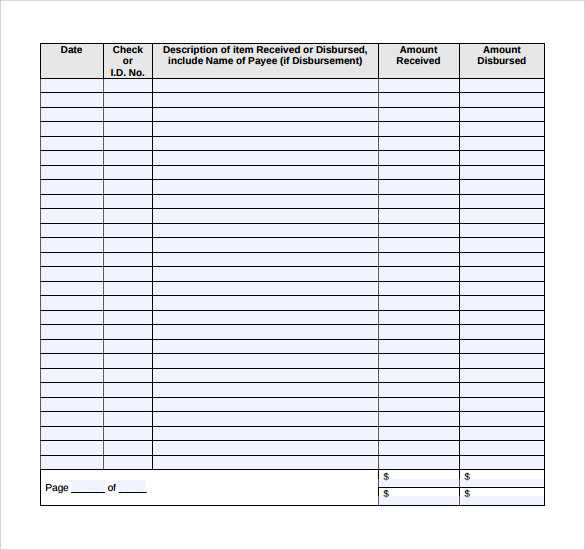
Include a running balance column and update it after every entry to keep totals reliable between bank statements. Place the balance field at the far right, and use separate columns for payments and deposits so arithmetic stays clear. Leave enough horizontal space for at least 8–10 digits in the balance cell to avoid cramped handwriting.
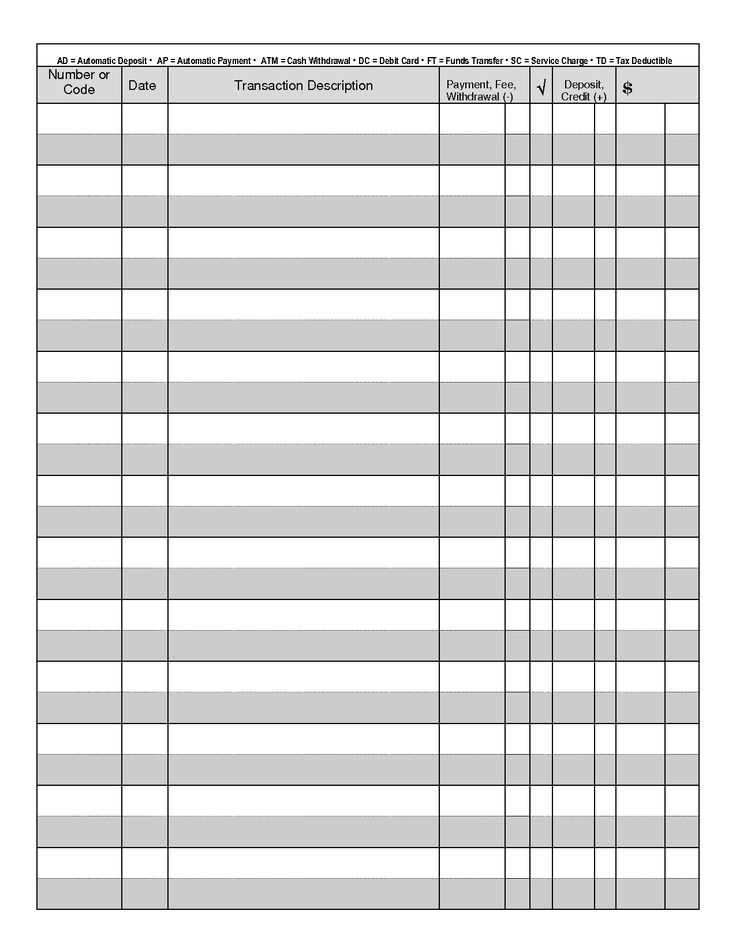
Add structured fields that capture the full transaction context. A well-designed ledger page should contain the date, transaction number or reference, payee or source, debit amount, credit amount, and balance after the entry. Many users also benefit from a narrow notes column for flags such as “pending,” “auto,” or “reconciled,” which speeds up monthly reviews and helps spot duplicate charges.
Reserve a header area at the top of the sheet for the account name and starting balance for the period. Without this anchor, totals can drift after several entries. Leave at least one blank line every 20–25 rows to mark statement reconciliation points; this small spacing habit makes audits faster and reduces math errors during long tracking periods.